Pet Information
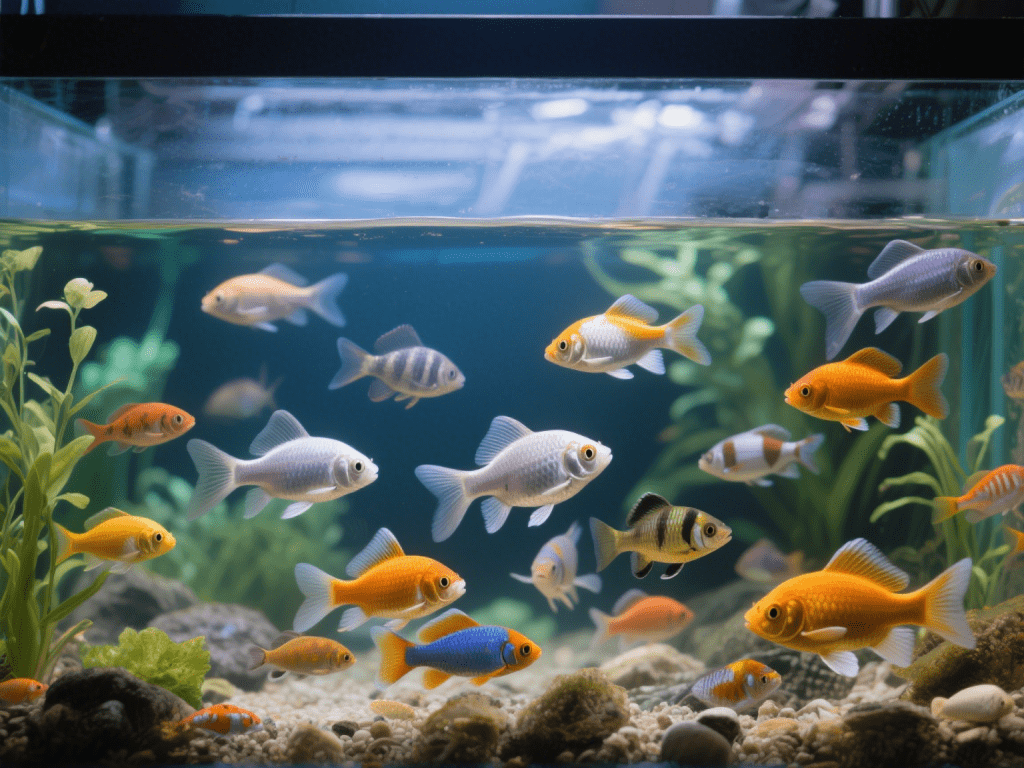
Crafting the Perfect Aquarium Community for Freshwater Fish
Creating a thriving freshwater community tank requires balancing species’ temperature, p...

Introduction
Summer heat can be dangerous for pets. Unlike humans, dogs and cats rely on panting and limited sweat glands to cool themselves. Recognizing the early signs of overheating helps you act quickly to prevent heatstroke, dehydration, or worse.
Signs of Overheating
Excessive Panting & Drooling – Rapid, heavy panting more intense than normal after play or during heat.
Red or Pale Gums – Lift your pet’s lip: healthy gums are bubblegum pink. Bright red or pale gums signal distress.
Lethargy & Weakness – If your pet becomes unusually sluggish, stumbles, or refuses to move, overheating may be the cause.
Vomiting or Diarrhea – Gastrointestinal upset, especially if accompanied by drooling or disorientation.
Collapse or Seizures – In severe cases, pets can collapse, have seizures, or lose consciousness. Seek immediate veterinary care.
Prevention Tips
Limit Outdoor Activity – Walk dogs early morning or late evening when temperatures are lower. Keep cats indoors in well-ventilated spaces.
Provide Shade & Fresh Water – Always leave ample, clean water in multiple locations. Shade areas or use cooling mats.
Avoid Hot Surfaces – Asphalt and concrete can burn paw pads. Test ground temperature with your hand before allowing outdoor play.
Use Cooling Gear – Cooling vests, bandanas, or frozen water bottles wrapped in towels can help regulate body temperature.
Never Leave Pets in Cars – Even a few minutes in a parked car with closed windows can be fatal.
Immediate Actions If Overheating Occurs
Move to a Cool Place – Bring your pet indoors or under shade immediately.
Offer Water & Cool Packs – Provide small amounts of cool (not ice‐cold) water. Place cool, damp towels on their neck, armpits, and paws.
Use a Fan – Gentle airflow accelerates cooling, especially around the head and chest.
Monitor & Seek Veterinary Help – If symptoms persist after 10–15 minutes of cooling or if your pet vomits, has diarrhea, or loses consciousness, take them to a veterinarian immediately.
Conclusion
By learning to recognize early overheating signs and providing preventive care—shade, hydration, and appropriate activity—you ensure your pet enjoys a safe, happy summer without the risks of heat stress.
Creating a thriving freshwater community tank requires balancing species’ temperature, p...
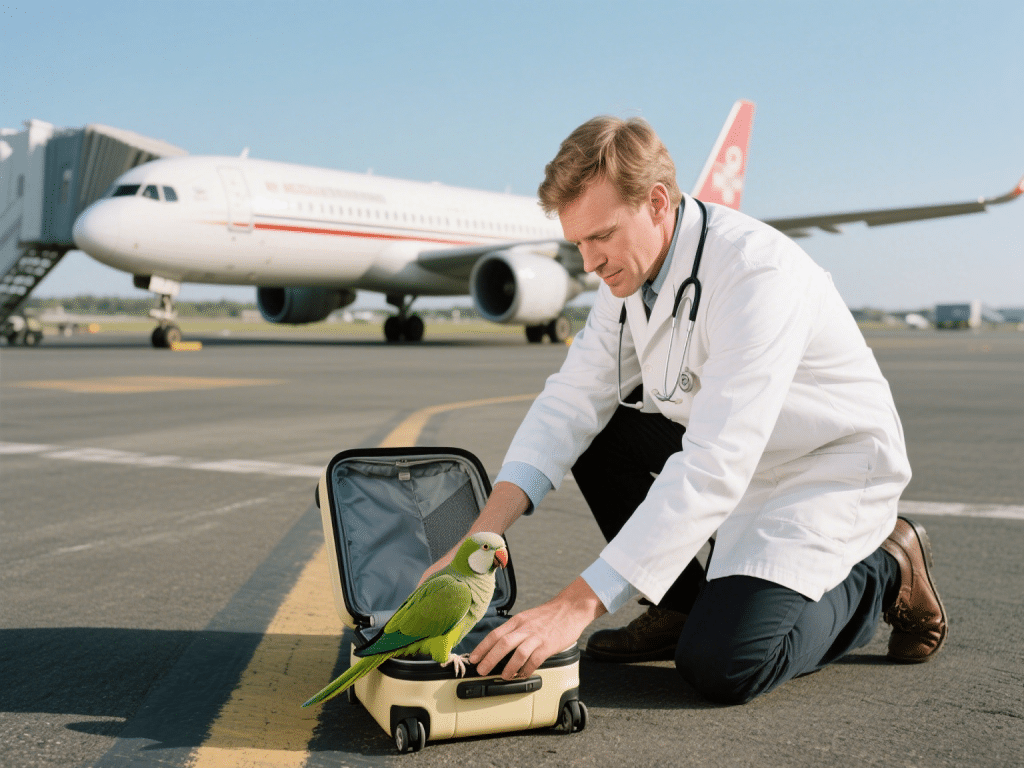
As an avian specialist with 15 years of airline travel consultations, I’ve escorted hund...
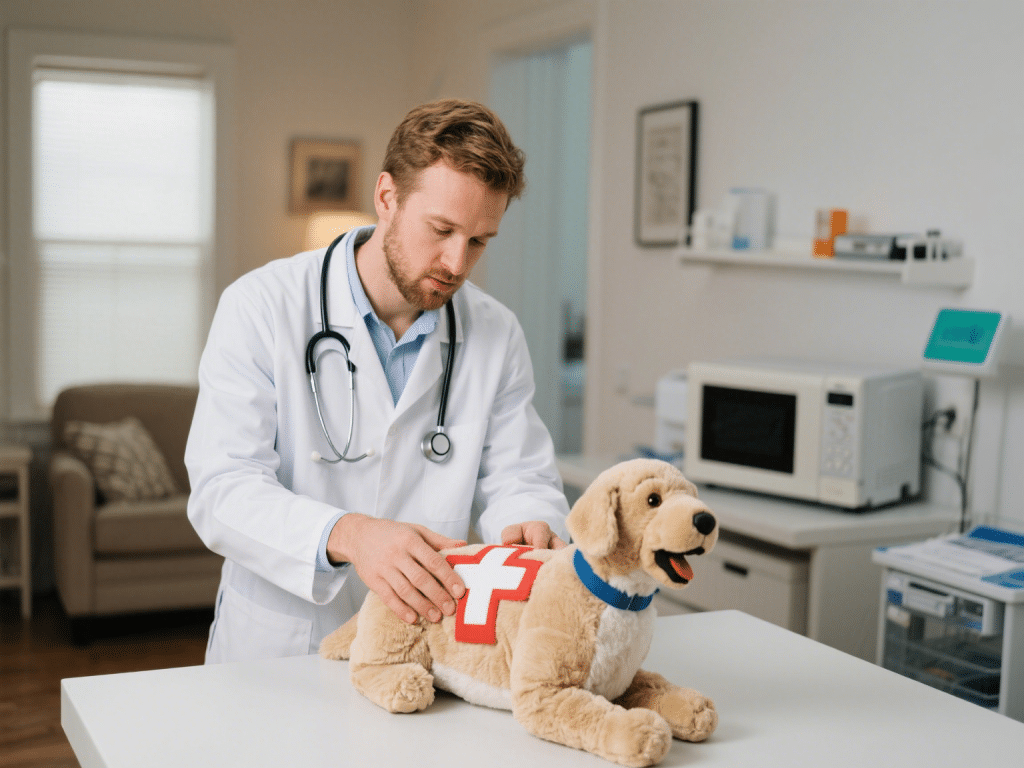
Even the most vigilant pet owners face bumps, scrapes, and sudden illnesses. Having a basi...
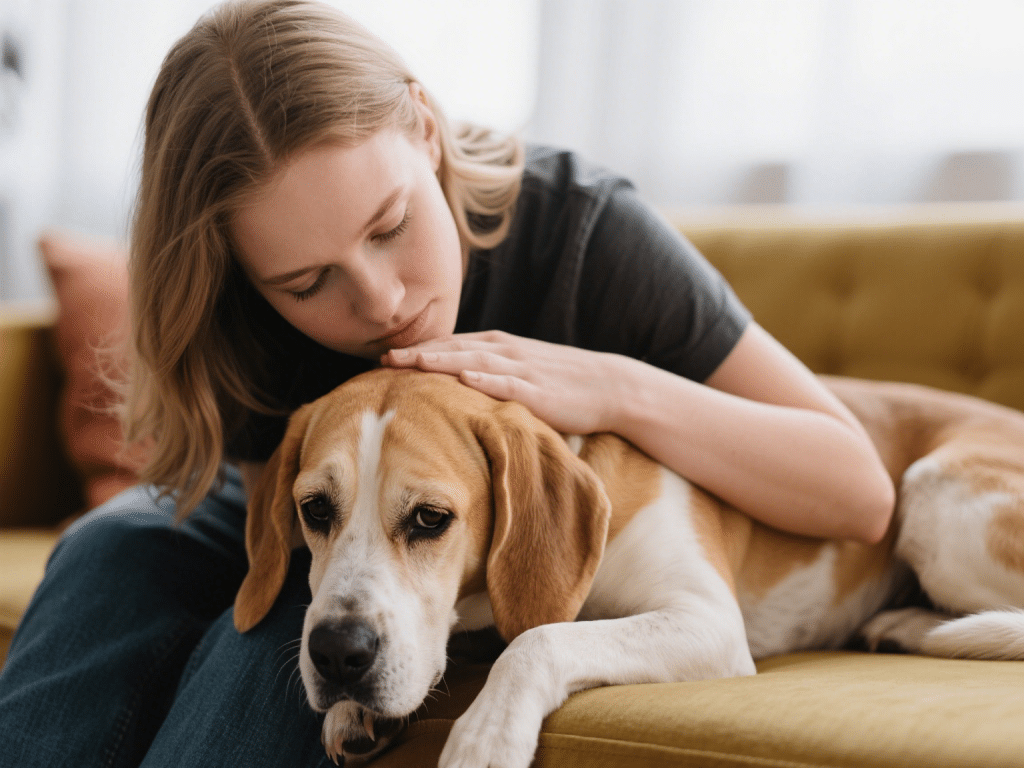
IntroductionPets, like humans, are social creatures that can experience loneliness when le...

IntroductionMany dog owners notice their pets trailing them from room to room. While endea...
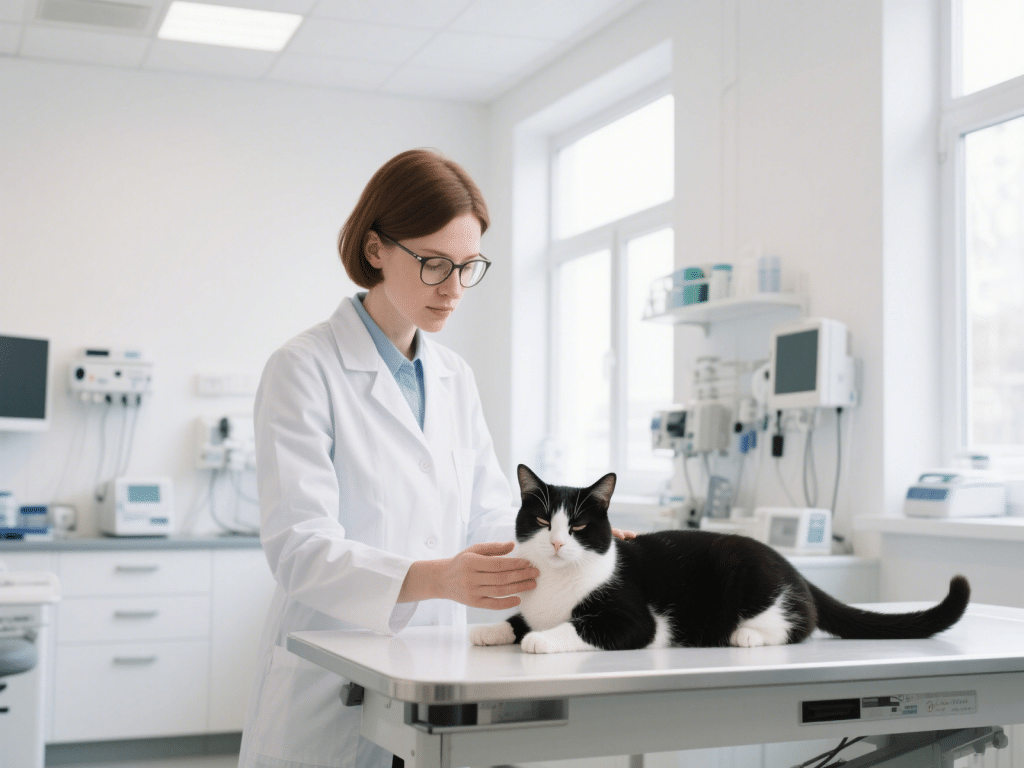
IntroductionCat allergies affect many households: even though felines can trigger allergic...
Comments on "How to Tell If Your Pet Is Overheating: Summer Safety Tips" :