Preventing & Managing Shell Rot: Diagnosis, Treatment & Long-Term Care
Shell rot—a bacterial or fungal infection of the carapace and plastron—presents a sign...
Introduction
Loud noises—fireworks, thunderstorms, construction—trigger anxiety in many pets. Signs include trembling, hiding, pacing, excessive barking, or destructive behavior. These tips help you create a calm environment and reduce stress for your furry friend.
Recognizing Anxiety Signs
Physical Behaviors: Shaking, panting, drooling, hiding under furniture, pacing.
Vocalizations: Whining, yelping, excessive barking, or howling.
Destructive Actions: Chewing furniture, scratching doors, attempting to escape.
Loss of Appetite & Restlessness: Refusing food, inability to settle or sleep.
Safety & Environmental Strategies
Create a Safe Space
Designate a quiet, interior room with no windows (e.g., bathroom or closet).
Add familiar bedding, toys, and an item with your scent (old t-shirt).
Use a covered crate draped with a blanket to muffle noise.
Sound Desensitization
Play calming background music or white noise (TV or radio at low volume) to mask loud events.
Introduce recorded firework or thunder sounds at low volume during calm times, pairing with treats to build positive association gradually.
Use Pressure Wraps & Comfort Aids
Anxiety wraps (e.g., Thundershirt) apply gentle, constant pressure that many pets find soothing.
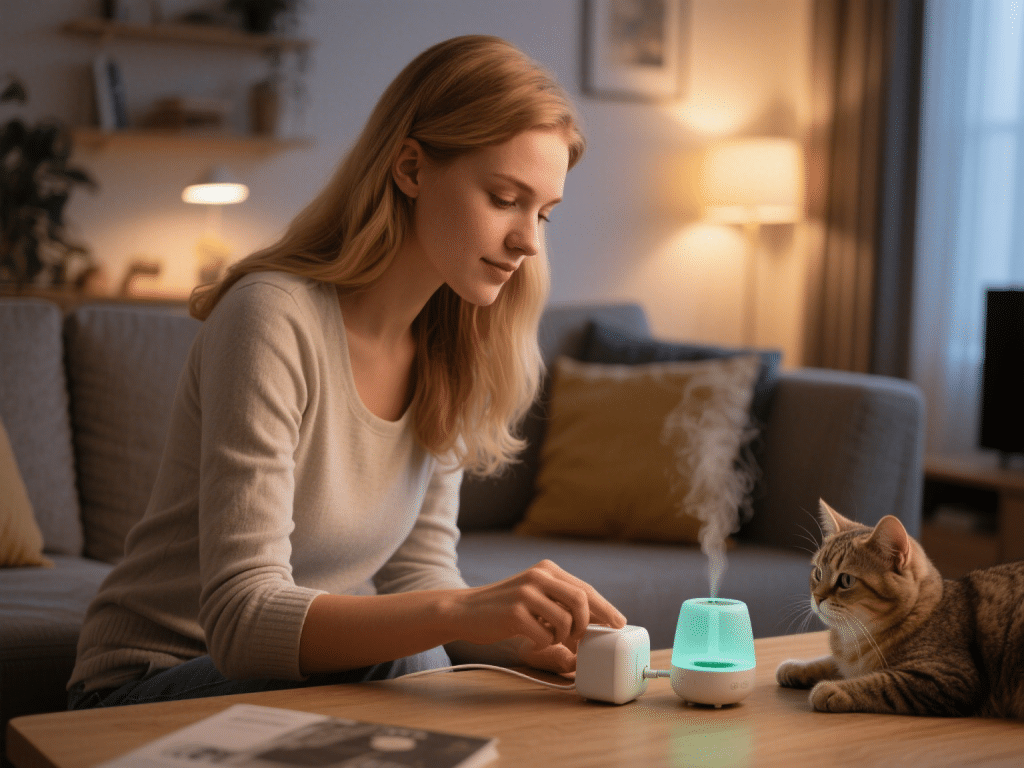
Pet-safe pheromone diffusers (Adaptil for dogs, Feliway for cats) release calming synthetic pheromones.
Maintain Routine
Stick to regular feeding, walking, and play schedules. Predictability provides security.
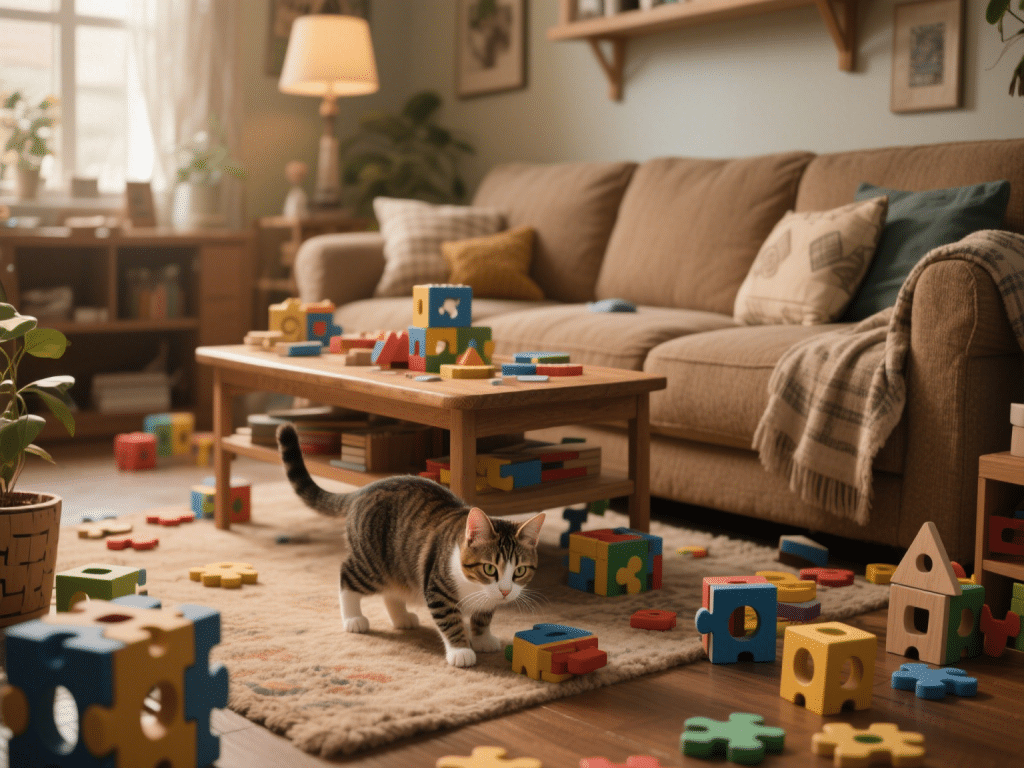
Engage in gentle play or puzzle toys before events to tire your pet mentally and physically.
Behavioral & Medical Interventions
Counter-Conditioning & Positive Reinforcement
During a storm or fireworks, reward calm behavior with treats and praise. Redirect attention to chew toys or interactive feeders.
Desensitization Training
Over weeks, gradually increase exposure to recorded sounds while offering high-value treats, teaching your pet that noises signal rewards, not threats.
Consult Your Veterinarian
For severe anxiety, discuss short-term anti-anxiety medications (e.g., trazodone, gabapentin) or natural supplements (L-theanine, melatonin).
In some cases, anti-anxiety drugs or prescription pheromone collars may be necessary to manage chronic noise phobia.
Conclusion
Helping an anxious pet through storms or fireworks requires preparation, patience, and consistency. By creating a secure environment, using calming tools, and seeking professional guidance when needed, you can ease your pet’s stress and strengthen your bond.
Shell rot—a bacterial or fungal infection of the carapace and plastron—presents a sign...
In the heat of an emergency—be it a choking incident, severe bleeding, or heat stroke—...
Hairballs are a common nuisance for both cats and their people. Drawing on my decade of ex...
IntroductionRaw feeding, also known as the BARF (Biologically Appropriate Raw Food) diet, ...
IntroductionIf you’ve ever wondered why your cat swats a glass off the counter or pushes...
Your Dog’s Vaccination Schedule: What You Need to KnowProtecting your dog from preventab...
Comments on "How to Calm an Anxious Pet During Fireworks or Storms" :