Pet Information
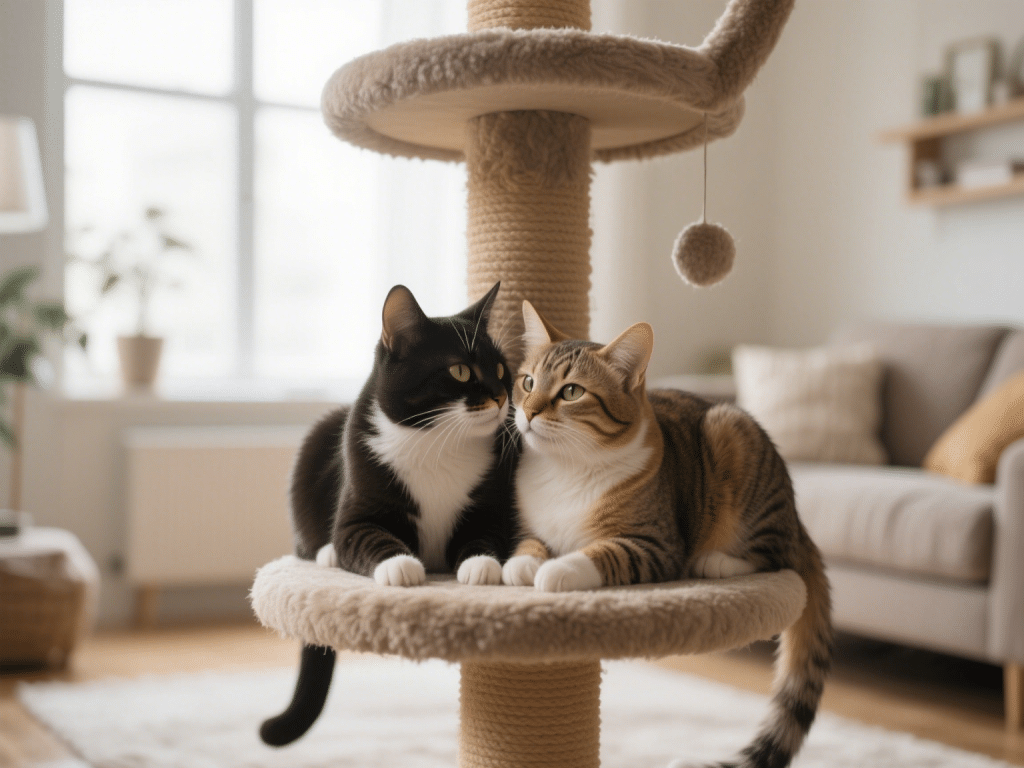
Multi‑Cat Harmony: Strategies to Reduce Conflict and Foster Peace
Running a multi‑cat household can deliver double the affection—but also double the pot...

Introduction
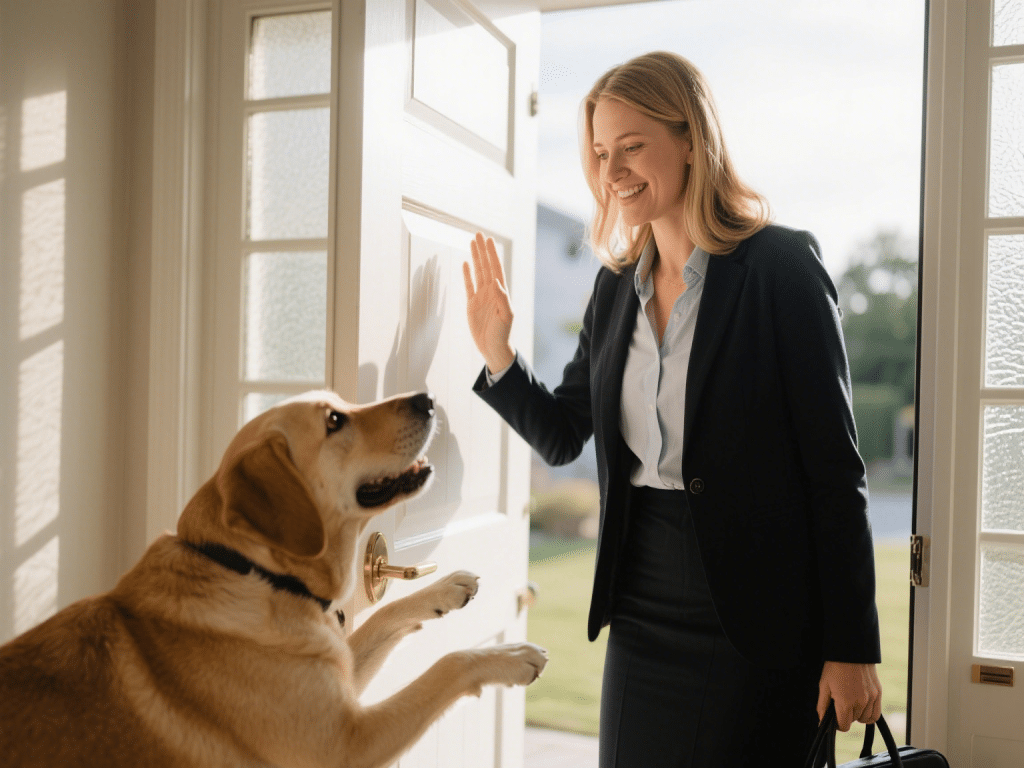
Nearly 20–40% of dogs display separation anxiety when left alone, leading to destructive behaviors, excessive vocalization, or stress-related health issues. For full-time working owners, addressing separation anxiety is a top priority. This guide provides evidence-based behavior modification techniques, environmental enrichment ideas, and management strategies to help your dog feel secure and reduce stress during work hours.
Behavioral Signs of Separation Anxiety:
Destructive Behavior: Chewing doors, walls, or furniture primarily when alone (intact items when owner present).
Excessive Vocalization: Howling, barking for extended periods after departure.
House Soiling: Urinating or defecating in the house despite being house-trained.
Escape Attempts: Digging under or chewing around doors/windows.
Pacing or Trembling: Visible pacing patterns or panting without exercise.
Boredom/Frustration Indicators:
Sporadic chewing on toys, moderate barking—but limited to early separation period.
Appetite and elimination remain regular.
Differential Diagnosis:
Record short videos during absence via home camera. Observe timing: anxiety behaviors onset usually within 10–15 minutes of departure.
Consult a veterinary behaviorist to rule out medical issues (hyperthyroidism, cognitive dysfunction).
Desensitizing Departure Cues:
Randomly pick up keys, put on jacket, or pick up shoes without leaving. Wait 2–3 minutes, then set them down. Repeat multiple times daily to weaken association with actual departure.
Neutral Departures:
Keep goodbyes low-key; avoid prolonged eye contact or exaggerated emotional farewells. This reduces emotional arousal in dogs.
Counterconditioning and Predictability:
Provide a high-value chew toy (e.g., filled Kong with natural peanut butter or plain Greek yogurt) only upon departure. Dogs learn to associate owner leaving with a positive reward.
Pre-Departure Exercise:
Engage in at least 20–30 minutes of brisk walking, playing fetch, or a puzzle toy session. Physical and mental stimulation tires the dog and reduces anxiety-driven energy.
KONG® Classic or Extreme: Fill with kibble mixed in wet food or peanut butter; freeze overnight. Treat out of reach for 1–2 hours.
Treat-Dispensing Toys: Toys like PetSafe Busy Buddy line dispense treats gradually, engaging the dog for extended periods.
LickiMat® or Slow-Feeder Bowls: Spread a thin layer of unsalted peanut butter or canned pumpkin to keep your dog engaged licking for 10–15 minutes.
Soft Music or White Noise: Canine-specific playlists (e.g., classical music) reduce stress. Aim for ~50–60 dB—comparable to a quiet conversation.
TV or Dog-Centric Streaming Services: Leave a nature documentary with animal sounds to simulate activity. Avoid loud, sudden noises (e.g., gunshots, sirens).
Crate Training (If Appropriate): If your dog views their crate as a secure den, confine them with a comfortable bed and water bowl. Never use the crate as punishment.
Gated Room Setup: Combine soft bedding, toys, and water in a smaller room (e.g., kitchen). Dogs often feel more secure in den-like spaces.
Short, Incremental Absences:
Begin with stepping outside the door for 30 seconds, then returning calmly. Gradually increase absence up to 10 minutes over several days or weeks.
Continue feeding departure chew only when leaving for actual training sessions.
Monitoring Response:
Use video recording to assess dog’s behavior. If signs of anxiety persist during short absences, decrease duration to previous comfortable level.
Positive Reinforcement Upon Return:
Avoid overexcited greetings. Instead, wait until dog is calm (sitting or lying down), then reward with gentle praise or petting.
This teaches that calm behavior earns interaction rather than frantic jumping or barking.
Adaptil® (Dog-Appeasing Pheromone): Spray on bedding or use a collar to release calming pheromones.
Anxitane® (L-Theanine): Natural amino acid shown to reduce stress by increasing GABA levels. Dose: 125–250 mg for small dogs, 250–500 mg for large dogs, given 1 hour before departure or as vet advises.
Zylkene® (Milk Protein Hydrolysate): Promotes relaxation; administer daily as per weight guidelines.
Thundershirt® or Anxiety Wrap: Provides gentle, constant pressure similar to swaddling, which can reduce anxiety.
Proper Fitting: Ensure snug but not too tight; check for chafing points.
Persistent Severe Symptoms:
If destructive behavior, house soiling, or self-harm (circling, excessive licking) continues after 4–6 weeks of training, consult a certified canine behaviorist.
Medication Consideration:
Acepromazine is not recommended for anxiety; it sedates without addressing emotional distress.
SSRIs (e.g., Fluoxetine 1–2 mg/kg): Can be used for moderate to severe separation anxiety under veterinary supervision. May require 4–6 weeks before noticeable improvement.
Tricyclic Antidepressants (e.g., Clomipramine 2–4 mg/kg): Alternative for dogs not responding to SSRIs; monitor for side effects (dry mouth, sedation).
Behavior Modification Programs:
Certified trainers can create individualized desensitization protocols.
Consider randomized public access tests (R-PAT) with a behavior specialist to measure progress objectively.
Conclusion
Managing dog separation anxiety during work hours demands patience, consistency, and a multi-modal approach. By identifying true anxiety versus boredom, implementing prescriptive departure routines, enriching the environment, and employing gradual training techniques, you can significantly reduce stress behaviors. Supplementary tools—pheromones, nutraceuticals, and calming wraps—provide additional support. In cases of severe anxiety, professional intervention and medication may be necessary. With dedication and careful monitoring, your dog can learn to feel secure and relaxed, even during your absence.
Running a multi‑cat household can deliver double the affection—but also double the pot...
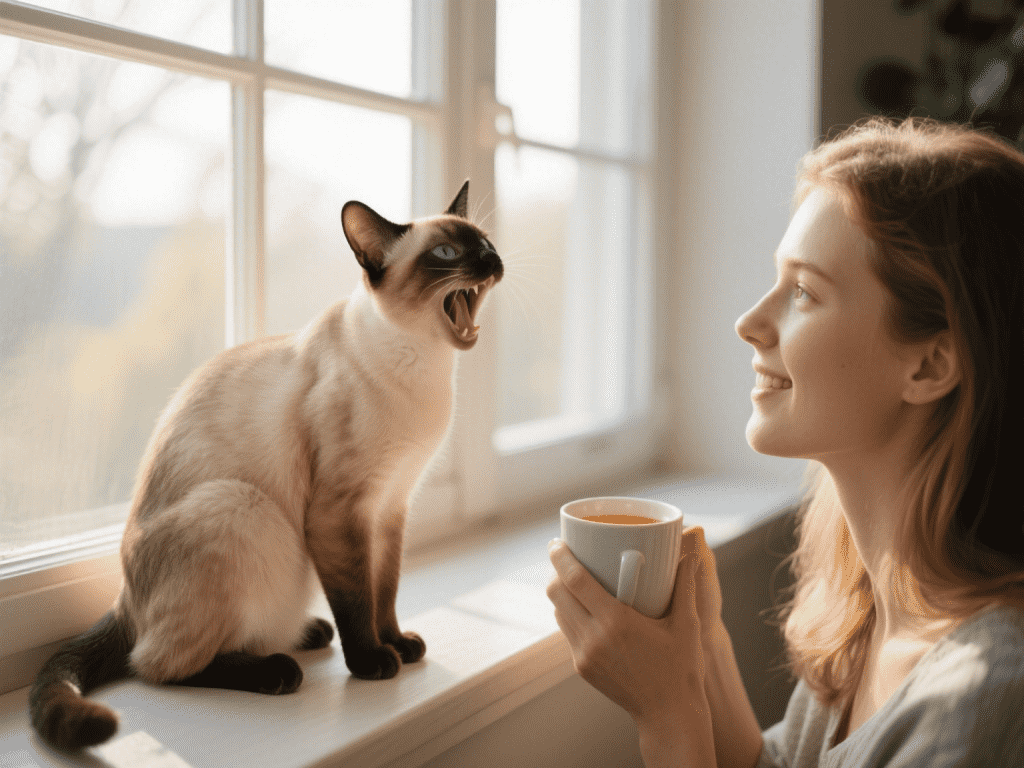
At first glance, a yawning cat seems no different from a sleepy human—but these wide‑m...
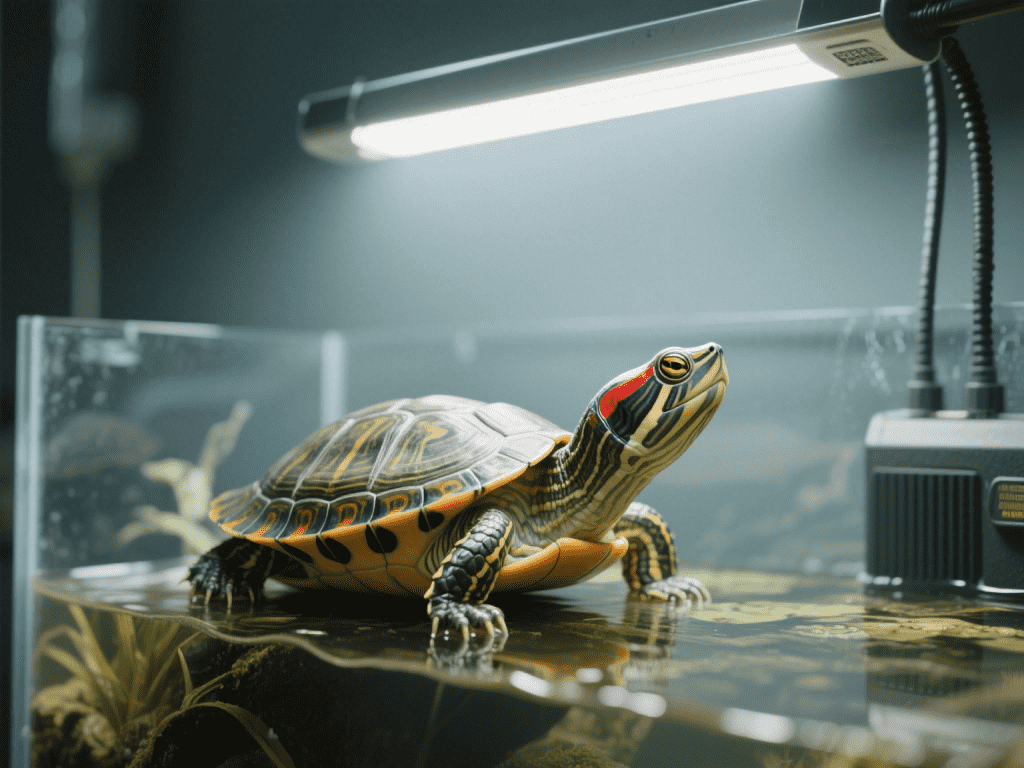
UVB lighting is non‑negotiable for captive turtles—it drives vitamin D₃ production, ...
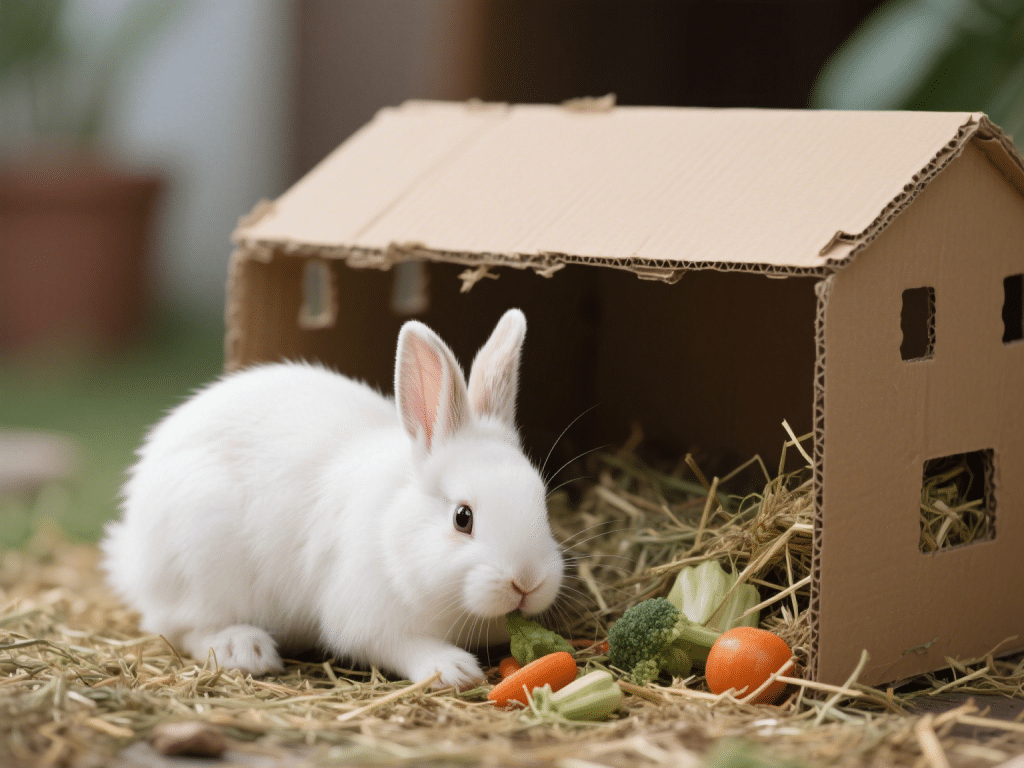
Enrichment transforms a simple rabbit hutch into a stimulating wonderland. As a long‑tim...
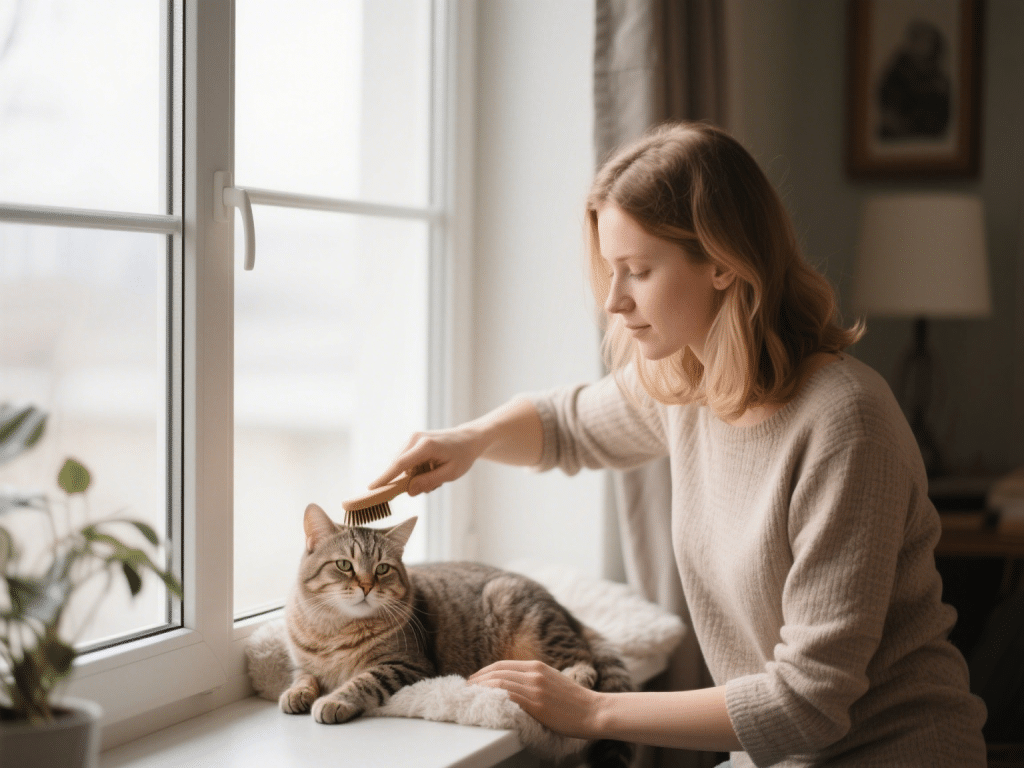
Cats are living longer than ever thanks to improved veterinary care and nutrition — but ...
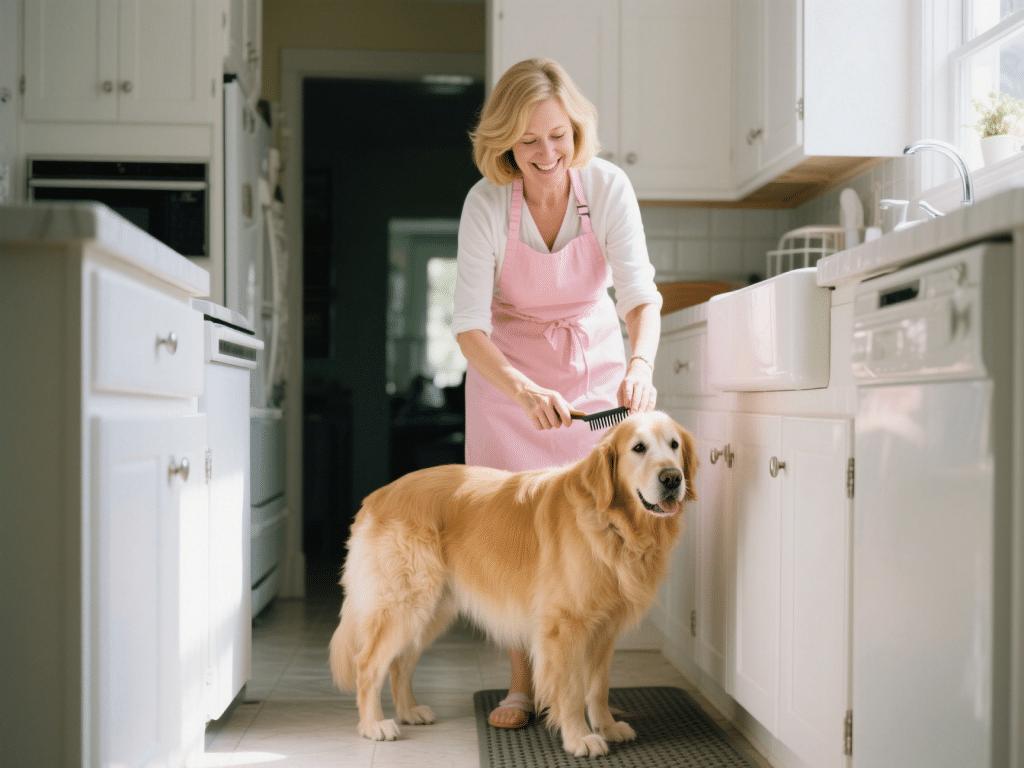
Home Dog Grooming: Essential Tools and TechniquesRegular grooming is crucial for your dog�...
Comments on "Tips for Managing Dog Separation Anxiety During Work Hours" :