Pet Information
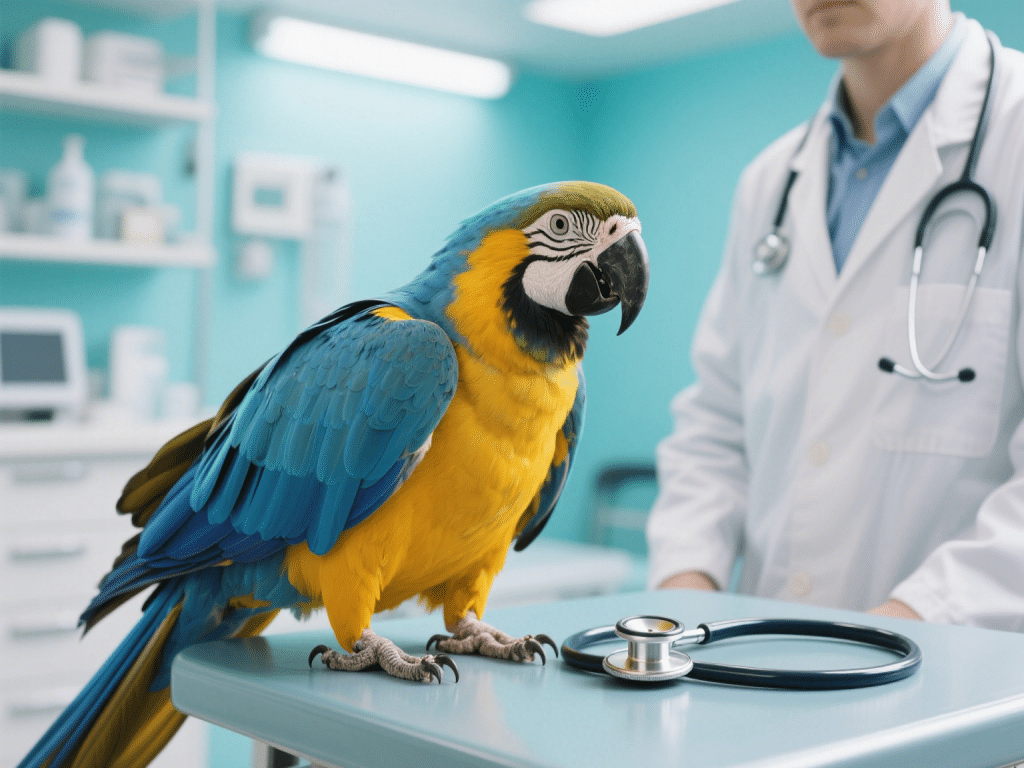
Preventing Common Avian Diseases: A Comprehensive Health Checklist
Pet birds are prone to a range of diseases—from nutritional imbalances to respiratory in...

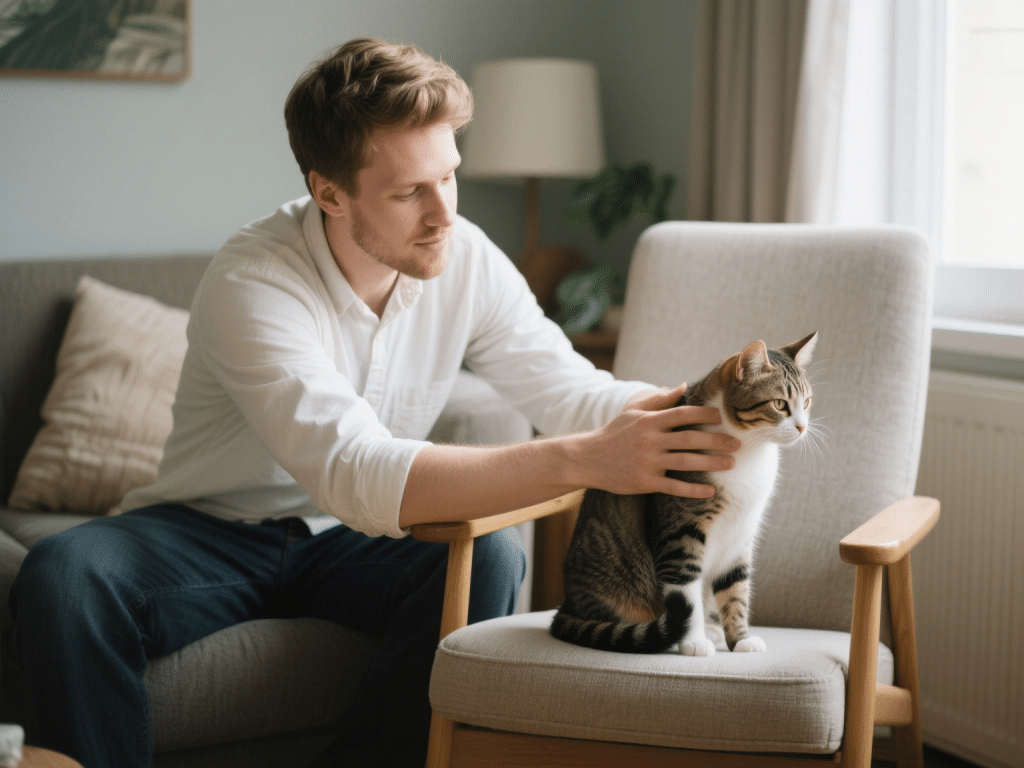
Hairballs are a common nuisance for both cats and their people. Drawing on my decade of experience as a feline behaviorist and contributor to pet-health journals, I’ve curated a suite of at-home remedies that curb hairball formation and offer soothing relief when they occur. Let’s delve into proven, gentle tactics to keep your kitty comfortable.
Regular brushing removes loose fur before ingestion. For short-haired breeds, a rubber curry brush once daily works wonders; long-haired cats benefit from a stainless-steel comb every other day. Aim for five-minute sessions—your cat’s patience will build over time.
Specialized kibbles rich in fiber help move swallowed hair through the digestive tract. I recommend rotating these formulas with your cat’s regular diet to maintain interest and nutritional balance.
A teaspoon of virgin coconut oil mixed into wet food twice weekly lubricates the digestive tract. Cats usually relish the mild taste, and I’ve tracked significant reductions in hairball episodes after a month of consistent use.
Plain canned pumpkin (not pumpkin pie filling) provides soluble fiber that binds hair. Start with one teaspoon per meal. Keep water bowls filled—additional hydration enhances fiber’s effectiveness.
Approved by veterinarians, a small dab of hairball gel (or a pea-sized amount of petroleum jelly) on your finger twice weekly encourages safe passage of hair. Train your cat to lap it off over time.
Hair clumps compact more easily in dry intestines. Fountain-style water dispensers entice cats to drink more. I’ve installed one in every room for my three cats and noticed fewer cough-like hairball expulsions.
Overgrooming often correlates with anxiety. Ten-minute interactive play sessions—feather wands or laser pointers—redirect grooming impulses toward healthy exercise.
Frequent hairball coughs or blockages warrant veterinary attention. Keep litter clean and observe your cat’s appetite and stool quality; these are key indicators of digestive health.
Once cooled, a teaspoon mixed into wet food can soothe irritated throats. Always ensure the tea is caffeine-free and consult your vet if unsure.
Every few months, book a trim or blow-out at a cat salon. Reducing coat length minimizes fur ingestion. I’ve partnered with groomers who specialize in cat-calm environments—ask for “cat-friendly” certification.
By combining consistent grooming, targeted nutrition, and gentle home treatments, you can drastically reduce hairball discomfort for your feline friend. These remedies have stood the test of my own multi-cat household and the hundreds of readers who’ve shared success stories on my blog.
Pet birds are prone to a range of diseases—from nutritional imbalances to respiratory in...

While dogs often receive most attention for separation anxiety, many cats also suffer stre...

IntroductionWalking on a leash is a fundamental skill for any dog. Without proper training...
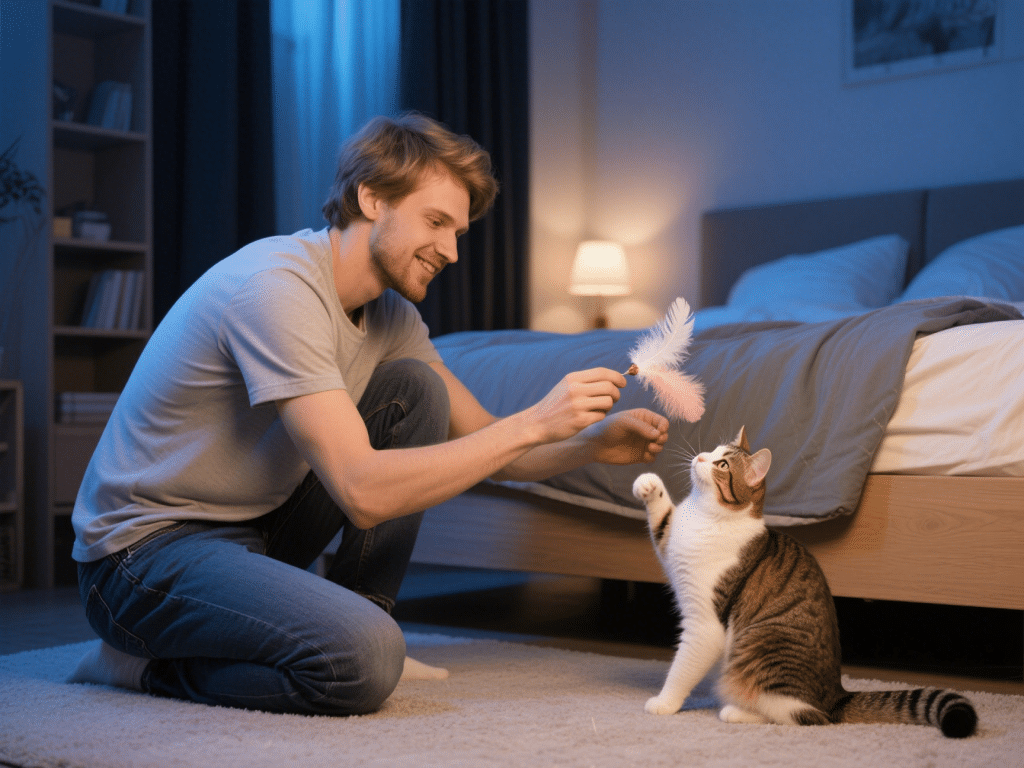
IntroductionMany cat owners enjoy late-night bonding sessions with their feline friends, b...

IntroductionEngaging pets with stimulating toys is essential for physical exercise and men...
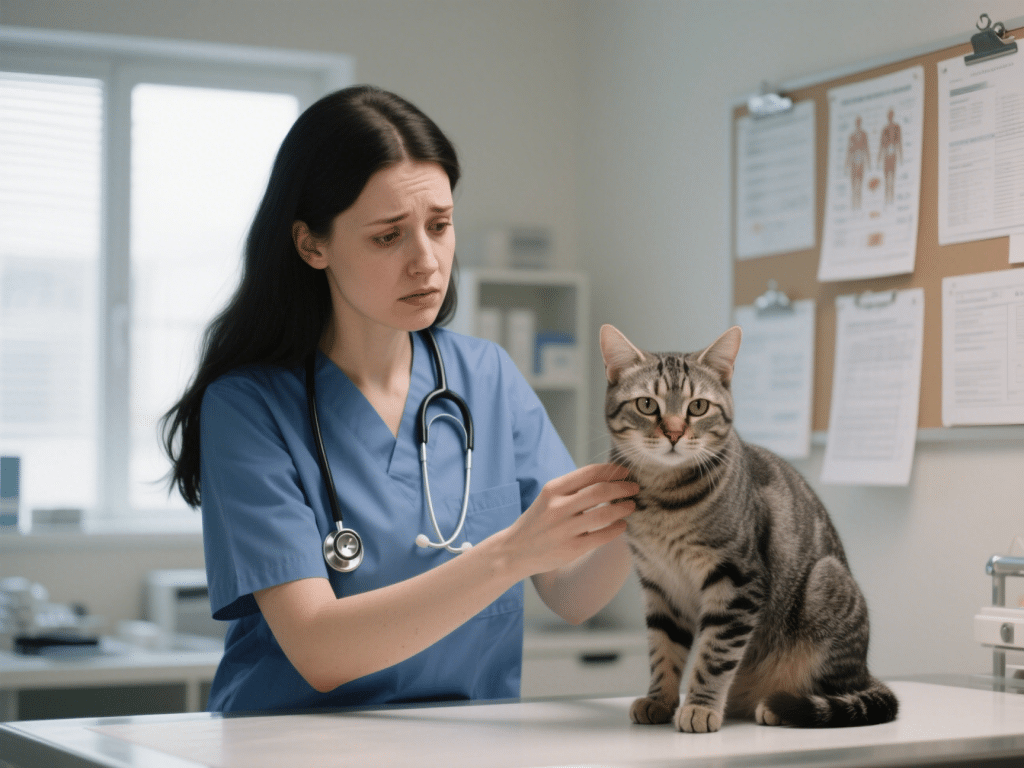
Dealing with Feline Urinary Tract Problems: Prevention and CareFeline Lower Urinary Tract ...
Comments on "Home Remedies for Cat Hairballs: Prevention and Relief" :