Pet Information
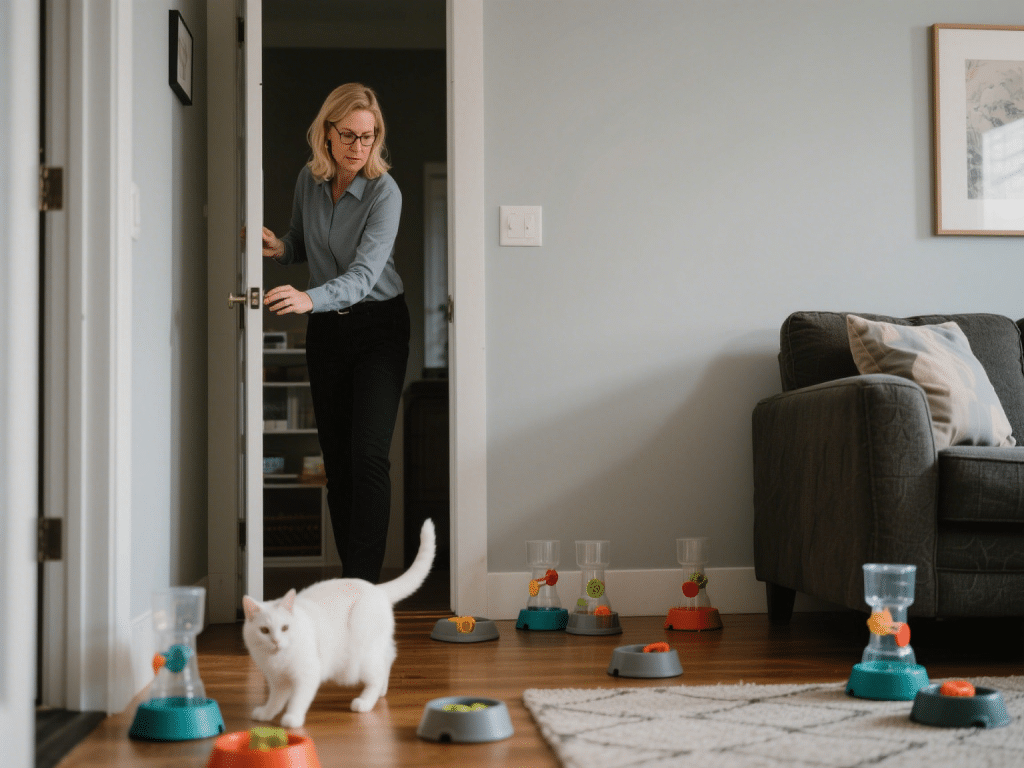
Combatting Separation Anxiety in Cats: Enrichment and Routine
While dogs often receive most attention for separation anxiety, many cats also suffer stre...

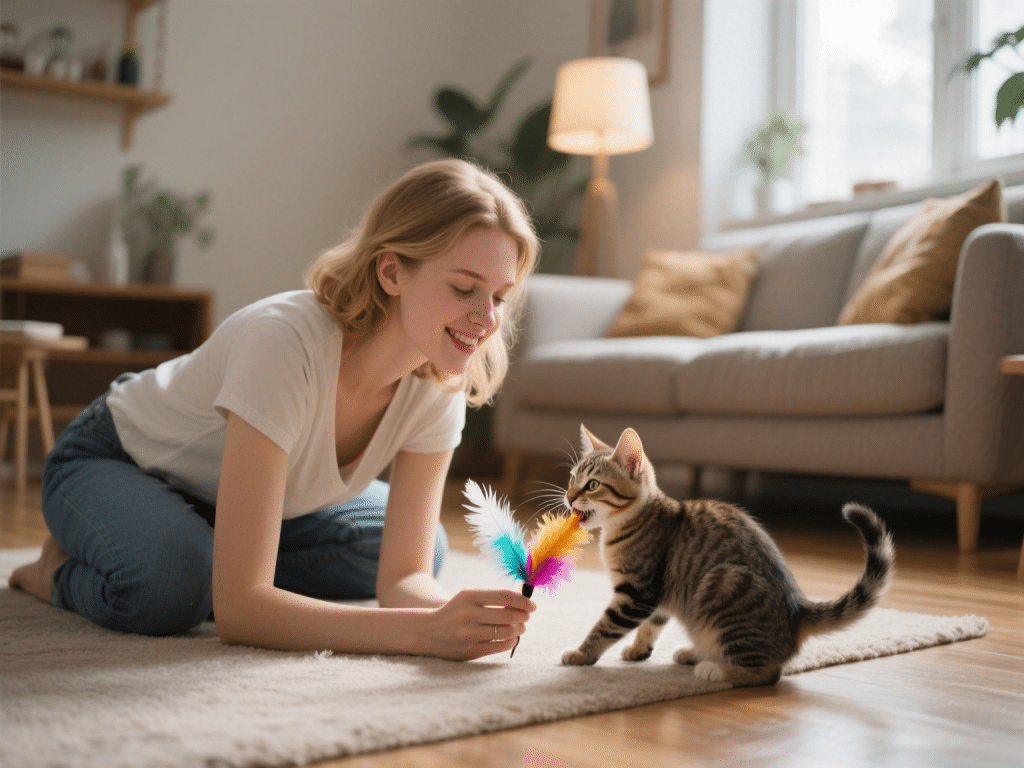
Kittens are bundles of energy, curiosity, and—let’s face it—sharp little teeth and claws. While natural play behavior includes biting and scratching, unchecked rough play can become painful or problematic as your kitten grows. As a feline behaviorist with over a decade of working in shelters and private practice, I’ve guided countless new cat owners through the delicate balance of letting kittens express natural instincts while teaching them gentle manners. In this comprehensive guide, I’ll share experience-proven, expert-backed strategies to redirect kitten biting and scratching into safe, joyful play—fostering a lifelong bond built on trust and respect.
Kittens learn about the world through exploration and play. Biting and scratching replicate hunting behaviors: pouncing, stalking, and capturing “prey.” At around 4–14 weeks of age, kittens sharpen coordination and social skills by wrestling with littermates. When separated from siblings, they can direct this instinct toward human hands and feet. Recognizing these behaviors as natural is the first step toward compassionate training, not punishment.
To satisfy predatory urges safely, offer a variety of interactive toys:
Feather wands simulate bird flight—encourage stalking and pouncing.
Toy mice and balls allow independent chasing.
Puzzle feeders engage both mind and body.
Rotate toys weekly to prevent boredom. Always end sessions with a “prey catch” reward—let your kitten clutch and bite a soft toy before “consuming” it (treat or praise). This mimics the hunter’s satisfaction and reduces focus on your hands.
Set clear boundaries from day one:
No Hands as Toys: Never use fingers or toes for play. If a bite occurs, let out a high-pitched “Ouch!”—mimicking the littermate’s reaction—and immediately withdraw play for a brief time.
Time-Outs: If scratching escalates, calmly place your kitten in a safe, enclosed space (playpen or bathroom) for 1–2 minutes. This pause communicates that rough behavior ends playtime.
Praise Soft Play: When your kitten bats toys gently, offer enthusiastic praise and small treats, reinforcing the desired pressure level.
Regular nail trims reduce scratching damage:
Get Your Kitten Comfortable: Gently massage paws daily without trimming to build trust.
Use Proper Clippers: Rounded-edge cat clippers or nail grinders ensure safe cuts.
Cut Just the Tip: Avoid the quick—the pink area containing nerves and blood vessels.
Reward Cooperation: Offer treats and calm praise during and after each paw trim.
Introduce scratching posts—vertical and horizontal—in stable, accessible locations. Sprinkle catnip or rub with silvervine to encourage use.
When your kitten targets your hands:
Immediate Toy Swap: Present a toy as soon as teeth or claws make contact.
Engage Attention: Call your kitten’s name and invite them to chase a wand or ball.
Interactive Games: Use short, frequent play sessions (3–5 minutes) throughout the day to burn energy and reinforce play etiquette.
Consistency across family members is key—everyone follows the same rules to avoid confusion.
Positive early handling fosters gentleness:
Daily Cuddles: Hold and pet your kitten gently for brief sessions, varying locations (lap, arms, shoulders).
Desensitization Drills: Simulate grooming actions—ear rubs, gentle tooth brushing motions, and glove-wearing sessions—to slow scratching reflexes.
Exposure to New People: Invite friends to visit and offer treats, ensuring your kitten associates gentle handling with positive experiences.
Most kittens adapt within weeks, but if biting escalates into aggressive patterns (biting without play context, hissing, defensive postures), consult a certified feline behaviorist. Underlying stressors—medical pain, environmental changes, or fear—may require targeted interventions.
Teaching your kitten gentle play isn’t just about preventing scratches—it’s about instilling trust, respect, and confidence. By providing appropriate toys, establishing clear rules, and guiding natural instincts, you’ll nurture a playful companion who knows boundaries and cherishes interactive fun. These foundational lessons pave the way for a harmonious, joyful relationship that lasts a lifetime.
While dogs often receive most attention for separation anxiety, many cats also suffer stre...

As a certified veterinary technician and passionate dog owner, I’ve seen firsthand how a...
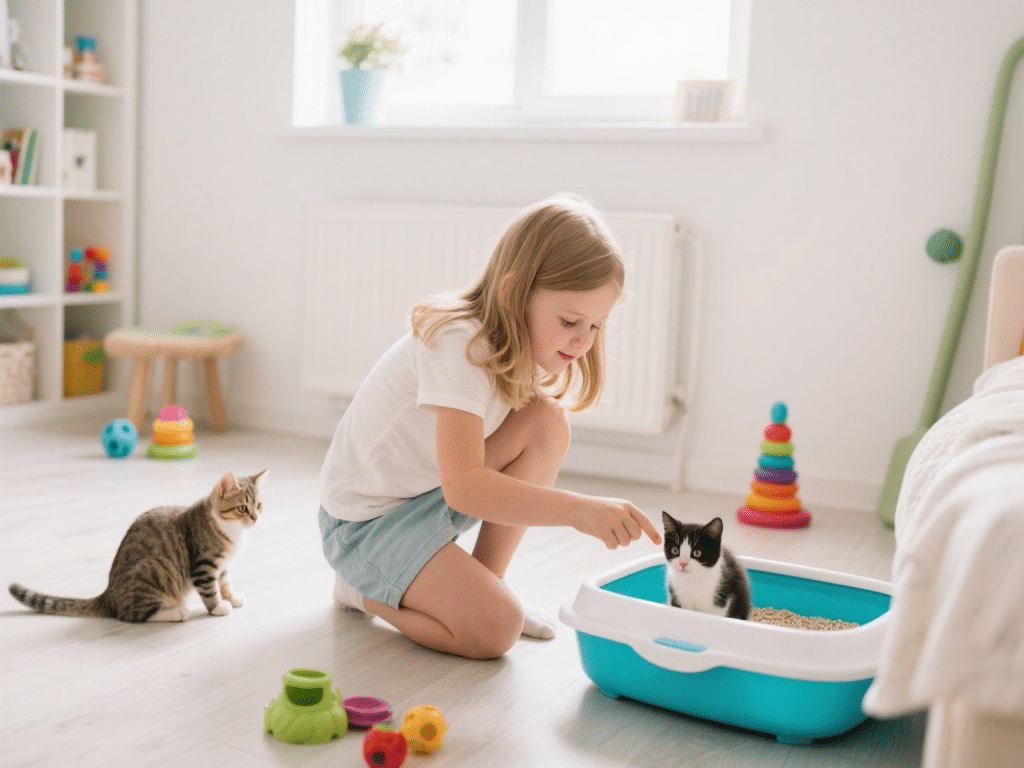
IntroductionTraining kittens to use a litter box is a fundamental milestone for every cat ...

IntroductionSelecting the right litter box is crucial for maintaining your indoor cat’s ...

Your Dog’s Vaccination Schedule: What You Need to KnowProtecting your dog from preventab...

Caring for Dogs with Special Needs: Essential TipsCaring for a dog with special needs requ...
Comments on "Kitten Biting & Scratching: How to Teach Gentle Play" :