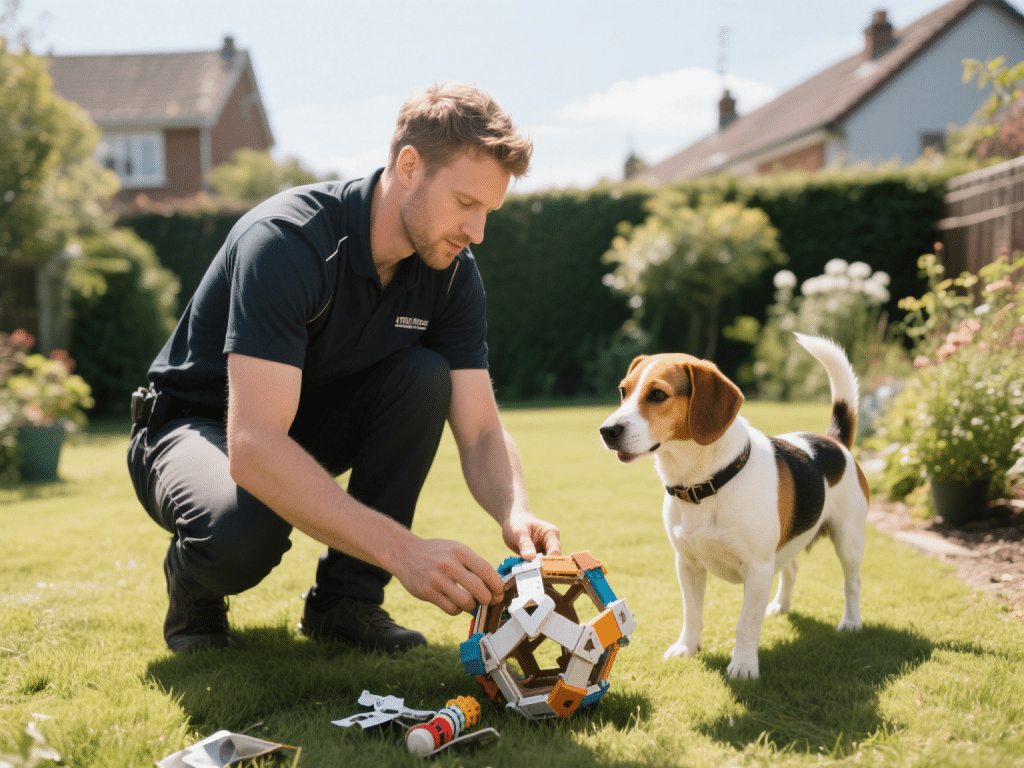
Pet Information
DIY Enrichment Toys for Dogs: Stimulate Mind and Body
Dogs are intelligent, social animals who thrive when their minds and bodies are both engag...


As the seasons shift, so does the pollen count—and just like humans, dogs can suffer from allergies triggered by environmental changes. If your pup is constantly scratching, licking paws, or sneezing more than usual, seasonal allergies may be the culprit. Drawing on my background as a canine health blogger and consultant for holistic vets, I’ll walk you through identifying signs and easing your dog’s discomfort naturally.
Excessive paw licking or chewing
Scratching around the face, ears, or belly
Red, watery eyes or inflamed skin
Sneezing or nasal discharge
Ear infections
Hair loss or “hot spots”
Spring: Tree pollen, fresh-cut grass
Summer: Weed pollen, mold spores
Fall: Ragweed, leaf mold
Year-round: Dust mites, indoor molds
Veterinary dermatologists often diagnose through exclusion:
Rule out fleas or food allergies first
Conduct intradermal skin tests or blood allergy panels
Rinse paws with water or hypoallergenic wipes after walks to remove allergens.
Fish oil helps reduce inflammation; look for 1000–2000 mg EPA/DHA per day depending on dog’s size.
Mix 1:1 with water; spray itchy areas (avoid open wounds).
Flavonoid with anti-inflammatory properties; consult vet for dosage.
Reduces indoor pollen and dust particles that aggravate symptoms.
If natural approaches aren’t enough:
Prescription antihistamines (e.g., Apoquel)
Corticosteroids for short-term flares
Immunotherapy injections
Bathing weekly with hypoallergenic shampoo
Vacuuming and washing bedding frequently
Limiting exposure during peak pollen hours (early morning, dusk)
Seasonal allergies can be frustrating, but with the right plan, your dog can live comfortably year-round. Focus on prevention, natural remedies, and early intervention—and always consult your vet before introducing new treatments.
Dogs are intelligent, social animals who thrive when their minds and bodies are both engag...

Rescue dogs often carry emotional scars from past trauma, leading to anxiety, fear, and un...
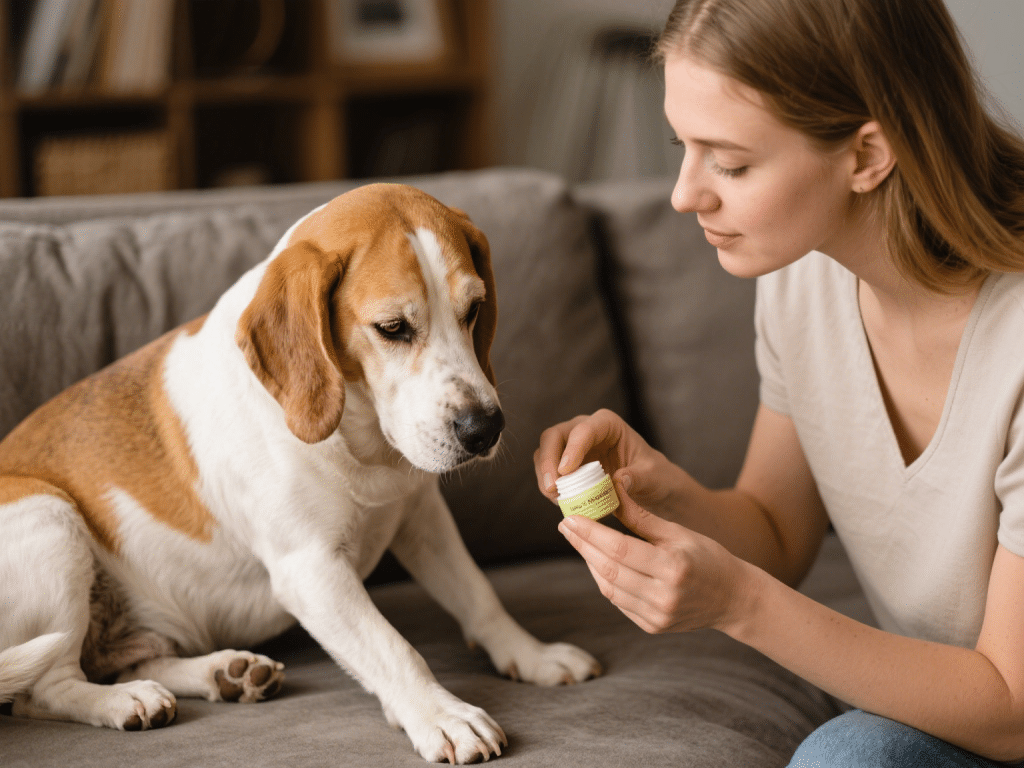
Itchy paws are one of the most common complaints from dog owners — and they can quickly ...
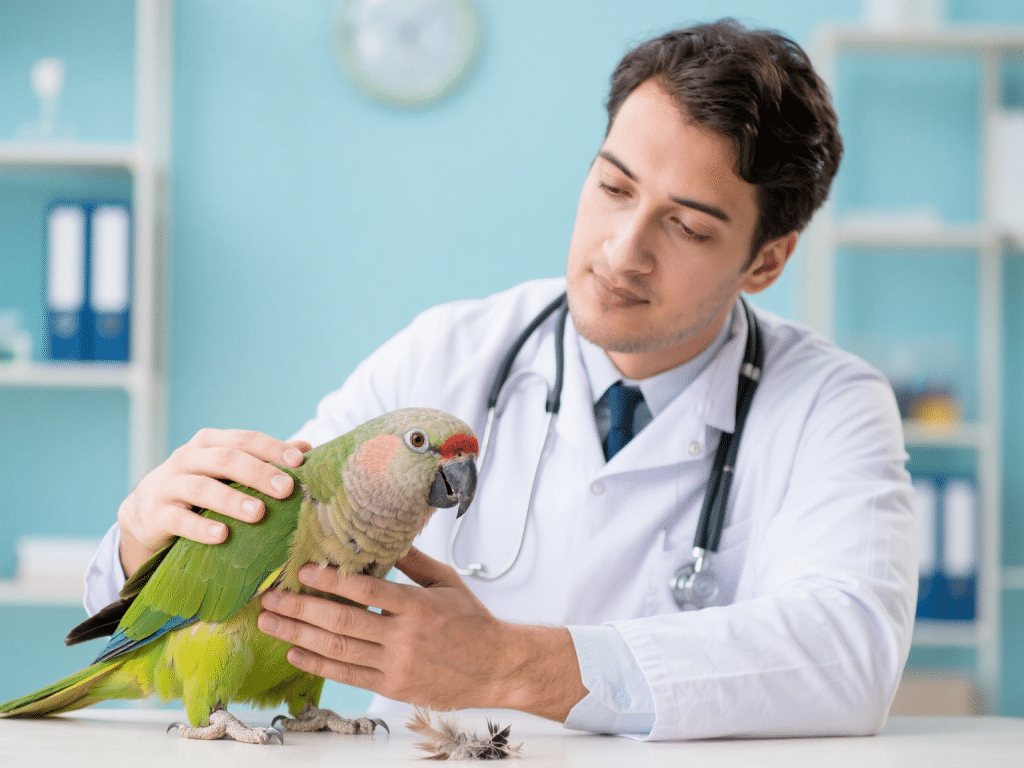
IntroductionFeather plucking is a serious issue often rooted in medical, behavioral, or en...

IntroductionIntroducing a new puppy to a senior dog requires careful planning. Senior dogs...

IntroductionRabbits require a clean, dry environment to stay healthy. Regular cleaning of ...
Comments on "How to Tell If Your Dog Has Seasonal Allergies—and What to Do About It" :