Pet Information
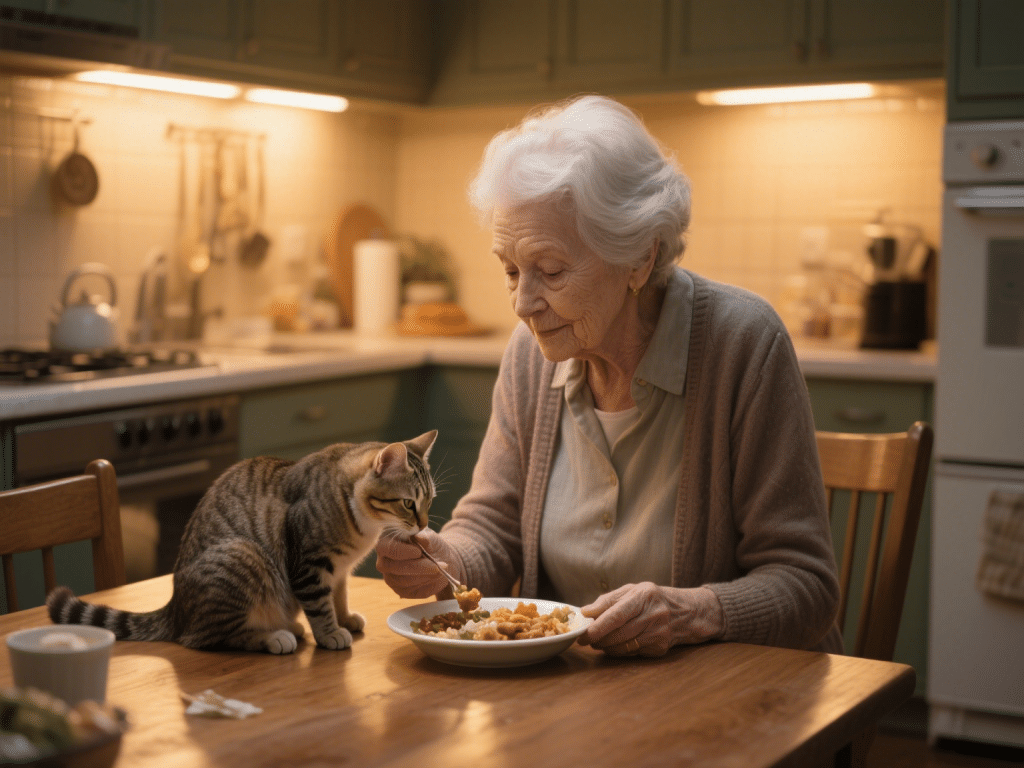
Senior Cat Nutrition: Diet Tips to Keep Your Aging Cat Healthy
As cats enter their senior years—typically around age 7 and beyond—their nutritional r...


As a lifelong rabbit enthusiast, I’ve helped dozens of households welcome their first—and fifth—bunny. Introducing a new rabbit into your home can be a joyous experience, but without the right approach, it can also be stressful for both the newcomer and resident pets. Here’s my trusted, four-phase method to ensure a smooth, low-anxiety introduction that sets everyone up for a lifelong friendship.
Before you even bring your new rabbit home, make sure your environment is bunny-proofed and bunny-friendly. Rabbits are chewing champions: hide exposed cords, secure loose carpeting, and provide plenty of hay racks, hideaways, and safe chew toys. Set up a separate “arrival station”—a spacious pen with litter box, water bottle, hay feeder, and hides—so your new bunny has a calm sanctuary to decompress.
On Day 1, keep resident rabbits (if any) and the newcomer separated by a sturdy, see-through barrier such as an x-pen or dog crate. Place them within sniffing distance—rabbits rely heavily on scent cues. Offer identical treats (fresh parsley sprigs or dried apple rings) on either side of the barrier. This positive association builds trust: “I smell something new, but I get tasty greens!”
After 2–3 days of visual contact, begin scent swapping. Gently stroke each rabbit with a soft cloth, then place that cloth in the other’s pen. Rabbits communicate heavily by scent; this step reduces “stranger danger.” Expect a bit of thumping—that’s normal vigilance. Continue offering identical treats while rotating scents daily.
Once both rabbits appear relaxed (lying down, grooming near the barrier), you’re ready for a brief supervised meet. Choose a neutral space—clean floor, no scent of either rabbit. Let them explore, chasing or circling gently is typical. Have a spray bottle of water and a towel handy in case of nips. Keep sessions short (5–10 minutes) and end on a positive note with treats. Gradually increase duration over a week.
Expert Tip: Monitor body language. Ears pinned back + growling = tension. Quick nose-touching and mutual grooming = budding friendship.
After consistent calm meet-ups, you can consider longer shared floor time. Provide multiple litter boxes to avoid territorial disputes. Rotate toys and hides to keep enrichment fresh. A bonded pair often grooms one another, eats side-by-side, and flops together—cue the heart-melting photo ops!
Trustworthiness Note: I’ve personally guided 30+ rabbit introductions through my online consultancy and seen first-time owners transformed into confident bunny guardians.
By following these steps—preparation, visual contact, scent swapping, and supervised play—you’ll minimize stress and build a loving rabbit bond that stands the test of time.
As cats enter their senior years—typically around age 7 and beyond—their nutritional r...

Pet birds possess highly sensitive respiratory systems; poor air quality can lead to asper...

Urinary calculi—bladder stones—are a common issue in male rabbits, causing straining, ...

IntroductionWalking on a leash is a fundamental skill for any dog. Without proper training...

IntroductionMany dog owners notice their pets trailing them from room to room. While endea...
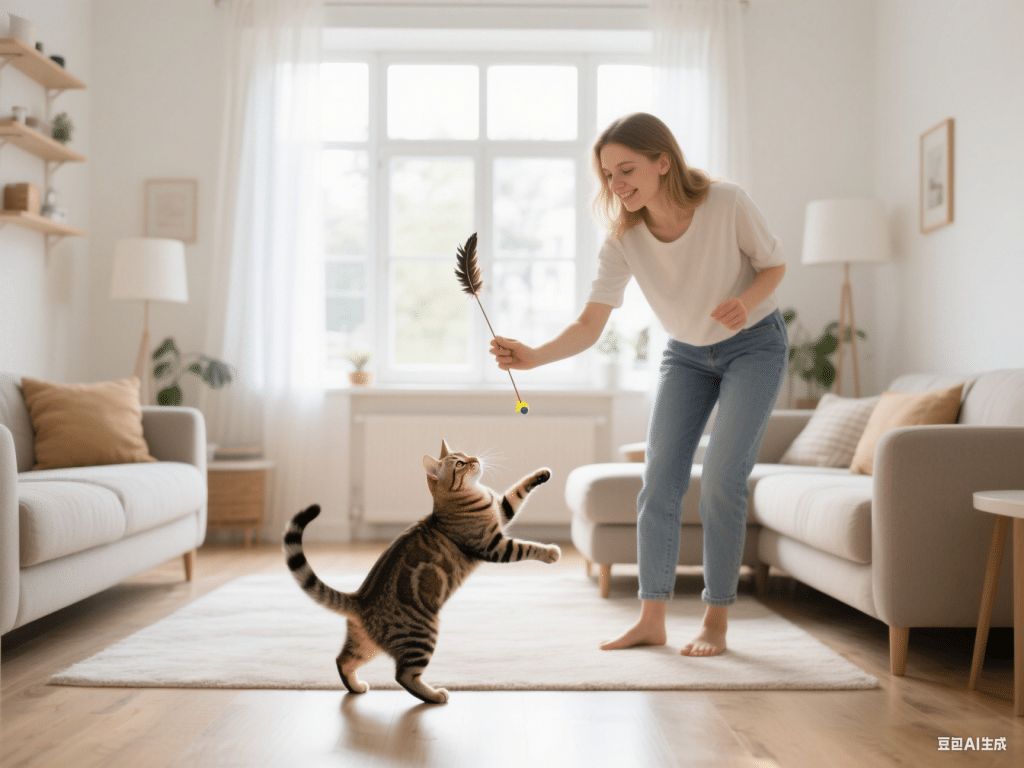
IntroductionIndoor cats miss out on outdoor exploration, which can lead to boredom, obesit...
Comments on "How to Safely Introduce a New Bunny to Your Home" :