Designing a Secure Outdoor Rabbit Run for Safe Exercise
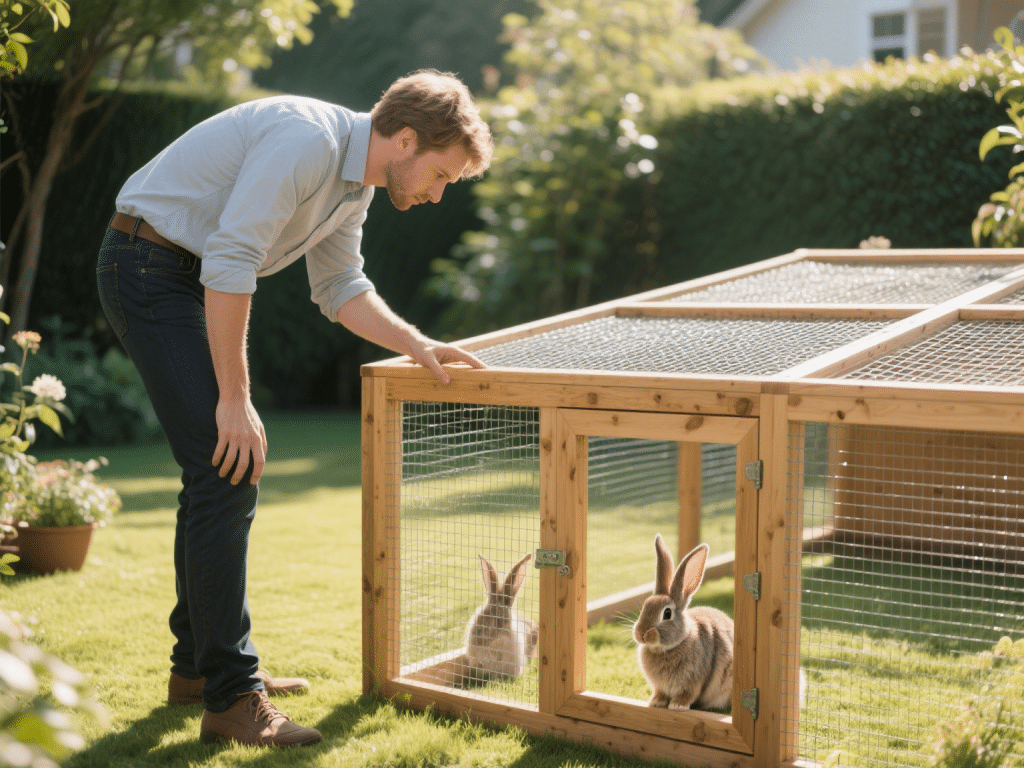
As an experienced rabbit behaviorist and avid DIYer, I’ve built and tested dozens of outdoor runs for clients seeking to give their bunnies fresh-air enrichment without compromising safety. Below, I share my proven blueprint to construct a sturdy, weather-resistant rabbit run that protects against predators, allows natural foraging, and meets your rabbit’s instinctual needs.
1. Site Selection & Groundwork
Choose a well-drained, level area that receives morning sunshine and afternoon shade. Avoid spots prone to flooding or pesticide drift. Mark out your desired footprint (minimum 10 ft × 6 ft for one rabbit) using stakes and string. Dig a 6″ trench around the perimeter; this “skirt” of buried hardware cloth (¼″ mesh) prevents digging predators like foxes and escapes by determined bunnies.
2. Frame Construction & Materials
Use weather-treated 2×4 lumber for framing:
Base Rails: Pressure-treated to resist rot where wood meets soil.
Vertical Posts: 4×4 corner posts set into concrete footings for stability.
Cross Supports: Every 2 ft, add a horizontal 2×4 to secure mesh tautly.
Hardware cloth, not chicken wire, is crucial: its tiny openings thwart raccoons, cats, and dogs. Attach mesh using galvanized staples and cap rails with trim boards for a polished finish.
3. Predator-Proof Roofing
A solid roof keeps out aerial threats and falls of debris:
Wire Mesh Layer: Secure hardware cloth overhead to deter owls and hawks.
Polycarbonate Panels: Over the mesh, install UV-resistant panels to shelter from rain.
Gutter System: Channel runoff away from the run walls to maintain a dry interior.
4. Enrichment & Foraging Zones
Divide the run into two sections:
Foraging Patch: Fill one half with a raised planter box of rabbit-safe grasses (rye, orchard hay mix) and edible herbs (dill, basil).
Digging Pit: In the other half, create a 12″ deep pit filled with clean sand and soil—rabbits love digging and tunneling.
Rotate planter themes monthly—clover, dandelion greens, and edible wildflowers—to stimulate curiosity. Scatter safe branches (apple wood) for gnawing to maintain dental health.
5. Weatherproofing & Comfort
Insulated Hideaway: Attach a raised wooden hutch on skids inside the run. Line it with straw bedding for warmth.
Shade Cloth: Clip on UV-blocking fabric panels on one side during summer.
Windbreak: Plant dense shrubs (lavender, rosemary) just outside the run to buffer cold winds in winter.
6. Maintenance & Monitoring
Inspect mesh and wood weekly for gaps or chew damage.
Rotate enrichment items to prevent boredom.
Clean the floor area monthly: remove old straw, rake through soil, and replenish fresh hay.
Expert Tip: I conducted motion-sensor tests at dusk and dawn in my own backyard run—no predator breaches after reinforcing the skirt and securing roof edges.
By following this robust design—thoughtful site choice, sturdy framing, predator-proofing, enrichment zones, and weatherproof comforts—you’ll create an outdoor sanctuary that keeps your rabbit active, mentally stimulated, and utterly safe.




Comments on "Designing a Secure Outdoor Rabbit Run for Safe Exercise" :