Pet Information
How to Tell If Your Cat Is Stressed: Signs, Causes & Calming Strategies
Every cat parent wants a happy, relaxed companion—but even the most pampered kitty can e...

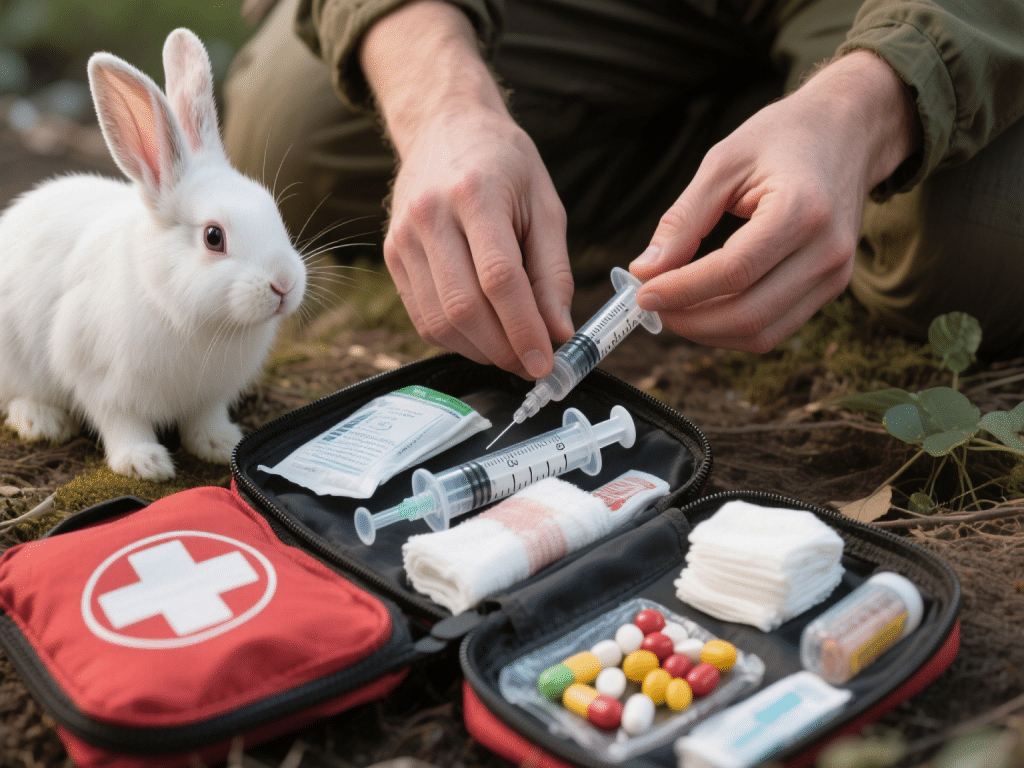
Accidents and sudden illnesses can happen, even in the safest rabbit environments. As a rabbit rescue founder, I’ve equipped countless owners with first-aid kits that bridge the gap until professional veterinary care is available. Below are the ten most critical components and usage guidelines for rabbit emergencies.
Digital Thermometer: Rabbits’ normal temperature (101–103 °F) can fluctuate dangerously; quick checks protocol.
Syringes & Feeding Set: 1–5 mL syringes for administering Critical Care formula or subcutaneous fluids under vet guidance.
Hemostatic Gauze & Bandages: Rapid bleeding control from accidental nips or nail injuries.
Vet-Grade Chlorhexidine Wipes: Antiseptic cleaning of wounds; gentle on rabbit skin.
Styptic Powder: Stops bleeding from quicked nails.
Non-Adhesive Pads & Self-Adherent Wrap: Protect wounds without pulling fur.
Eyedropper: Precise medication dosing or saline eye flushes.
Vitamin B-Complex & Probiotic Paste: Support GI motility after stress or antibiotic use.
Freeze Dried Dandelion Leaves: Natural stress reliever and appetite stimulant.
Emergency Contact Card: Vet phone numbers, poison‐control hotline, and local 24/7 rabbit emergency clinic.
Nail Quicking: Apply styptic powder immediately; use gauze to hold pressure.
Minor Cuts & Scrapes: Clean area with chlorhexidine wipe, cover with non-adhesive pad, secure with wrap.
GI Stasis Signs (no fecal pellets for 6+ hrs): Offer syringe-fed Critical Care; massage belly gently in clockwise motion.
Heat Stress: Move to cool area, apply damp towels to ears, administer small doses of cooled electrolytes via syringe.
Safety Note: Never administer human medications; always consult your veterinarian before using any pharmacological agent.
Restock After Use: Check expiration dates on all items monthly.
Dry Storage: Keep in a sealed plastic box away from moisture and extreme temperatures.
Owner Training: Practice measuring fluids and applying bandages under normal conditions to avoid panic during crises.
By assembling and mastering use of this rabbit-specific first-aid kit, you’ll dramatically improve response time in emergencies—reducing stress for both you and your rabbit and often preventing minor incidents from escalating into life-threatening situations.
Every cat parent wants a happy, relaxed companion—but even the most pampered kitty can e...

An outdoor aviary gives birds space to stretch wings, bathe in natural sunlight, and explo...

As an avian enthusiast with over a decade of sanctuary work, I’ve learned that mental st...

Nothing dampens a dog’s spirit more than the itching, head‐shaking, and discomfort of ...

I’m a long-time pet blogger and indoor gardening enthusiast. With over a decade of testi...

IntroductionTraveling with pets requires careful planning, whether you’re driving cross-...
Comments on "Essential First-Aid Kit Items for Rabbit Emergencies" :