Pet Information
Essential Guide to Feather Plucking Behavior in Parrots
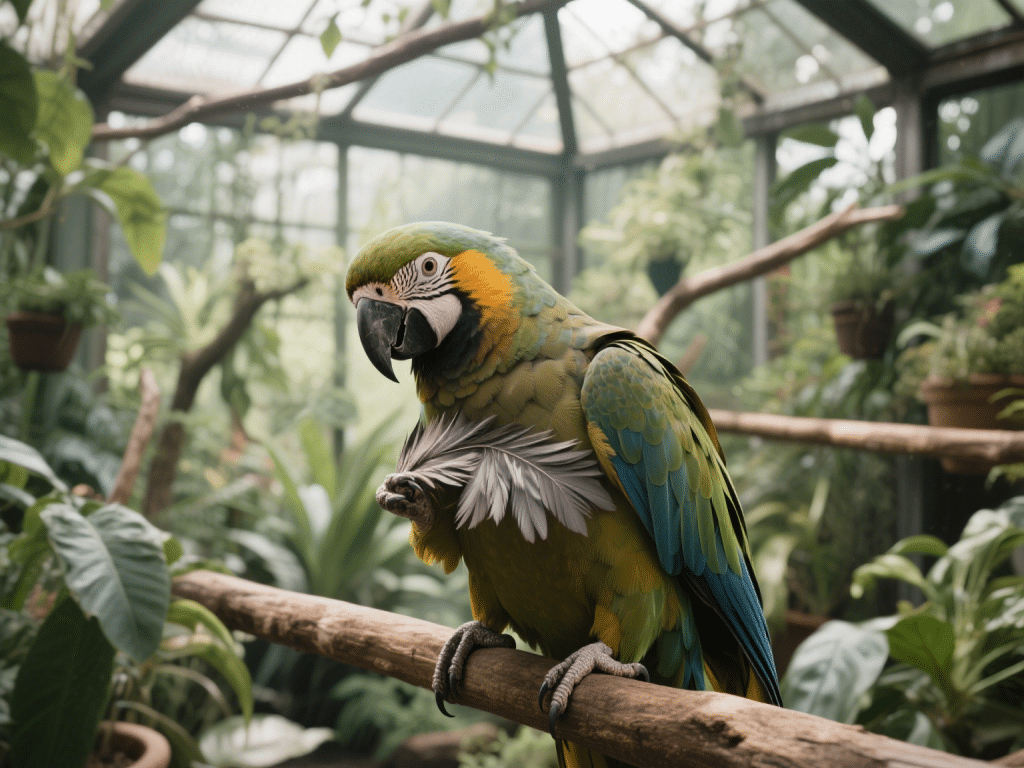
Feather plucking in parrots is a complex, multifactorial behavior affecting up to 20% of c...

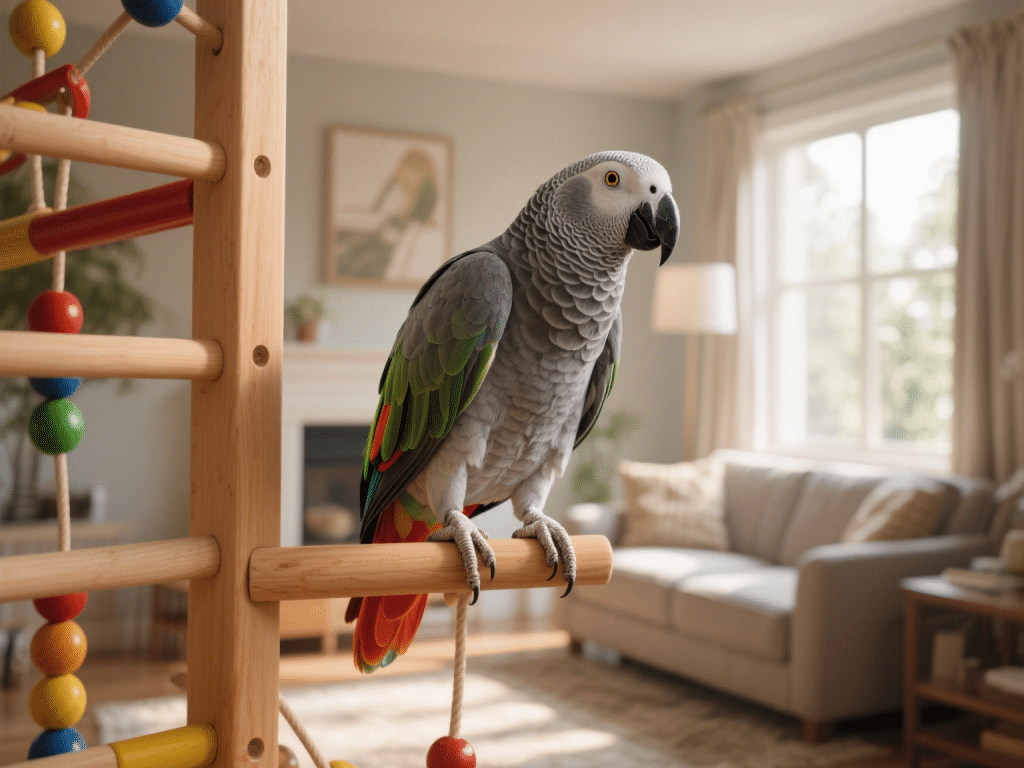
As a lifelong avian enthusiast and certified exotic‑pet behavior consultant, I’ve witnessed firsthand how small changes in a bird’s environment can lead to big shifts in their mental health. Unlike dogs or cats, parrots, finches, and cockatiels instinctively conceal distress to avoid appearing vulnerable. By the time overt behaviors—like self‑mutilation—emerge, chronic stress may have already compromised their immune function, appetite, and social bonds. In this article, we’ll explore the top seven early warning signs that your feathered friend is under undue stress and, more importantly, proven strategies to alleviate it.
Significance:
Healthy birds preen daily to align feathers and keep them clean. However, when anxiety or frustration sets in, many species resort to plucking their own feathers or obsessively over‑preening certain areas—creating bald patches, irritated skin, and even infections.
Expert Insight:
Research from the University of Tennessee’s Department of Animal Science highlights that up to 10% of companion parrots exhibit self‑plucking behaviors when deprived of adequate mental stimulation or proper social interaction. Chronic self‑plucking can lead to secondary bacterial or fungal skin infections, making early intervention critical.
Intervention:
Environmental Enrichment: Rotate foraging toys every 3–5 days. Toys that require manipulation—like puzzle feeders or shreddable palm leaf balls—engage natural instincts and divert attention from preening.
Aromatherapy: Diffuse a safe, pet‑approved essential oil blend (e.g., lavender and chamomile) near—but never inside—the cage to create a calming atmosphere.
Significance:
A sudden drop in seed or pellet consumption, especially if accompanied by increased drinking, often signals distress. Wild birds flock‑graze throughout the day; pet birds expect similar grazing patterns.
Expert Insight:
Veterinary data shows that stressed psittacines may shift preference to high‑fat or sugary treats—like sunflower seeds—while rejecting their balanced pellet base. This nutritional imbalance further exacerbates stress and undermines gut health.
Intervention:
Consistent Feeding Schedule: Offer pellets in the morning, followed by fresh fruits and vegetables at midday and again in the late afternoon.
Foraging Opportunities: Hide small portions of pellets inside branch‑like foraging toys or woven baskets, encouraging active searching. This taps into natural feeding behaviors and increases overall pellet intake.
Significance:
Every species has its typical “volume.” African Greys and Amazons are talkers; finches and canaries sing melodically. When a parrot that typically chatters goes mute—or a quiet finch screams incessantly—it’s often their way of signaling discomfort.
Expert Insight:
A 2022 behavioral study published in Applied Animal Behaviour Science reported that 65% of captive parrots exhibited increased vocalizations following abrupt changes in household routines, such as new pets or altered care schedules.
Intervention:
Routine Restoration: Maintain consistent lighting (12 hours on/off) and feeding times. Use a digital timer for lamps and automatic feeders if necessary.
Soothing Background Noise: Soft classical music or nature sound playlists can mask sudden disturbing noises (like door slams) and provide auditory enrichment.
Significance:
Flattened crest feathers (in cockatiels), fluffed‑up posture, lunging, or retreating to the cage’s darkest corner all signal fear or defensive aggression. Without addressing the root cause, these behaviors may escalate to biting or chronic flight phobia.
Expert Insight:
Exotic‑pet trainers emphasize that negative reinforcement—like forced handling—often backfires, reinforcing fear responses. Instead, positive‑only methods strengthen trust.
Intervention:
Desensitization Exercises: If your bird flinches at your approach, begin by standing at a comfortable distance and tossing treats toward, not at, the cage. Gradually decrease the distance over days until your bird welcomes your presence.
Safe Zones: Add multiple perches at different heights—allowing your bird to choose vantage points and escape routes fosters a sense of control.
Significance:
Pacing back and forth, head bobbing, or wing‑flapping in place are stereotypies—repetitive motions stemming from frustration or confinement. These actions consume energy without providing the stimulation birds need.
Expert Insight:
Behaviorists link stereotypic movements to inadequate cage size: recommended minimum for a single medium parrot is 4 ft × 2 ft × 2 ft of flightable space. Anything smaller risks triggering these maladaptive routines.
Intervention:
Cage Upgrade: Opt for a flight cage with horizontal bars for climbing and ample room for wing extension.
Daily Flight Time: Permit 30–60 minutes of supervised out‑of‑cage flight in a bird‑safe room, reducing stress hormones and promoting natural behaviors.
Significance:
Bird feces offer a window into both digestive and overall health. Unusual changes—looser stools, undigested seed bits, or blood—can be physiological responses to prolonged stress or secondary illness.
Expert Insight:
Veterinary experts advise that sustained stress can compromise the liver’s ability to process toxins, leading to lipidosis and altered bile pigment, which shows up as discolored droppings.
Intervention:
Hydration Boost: Offer a shallow dish of clean water for bathing and drinking, and add sliced cucumber or citrus fruits to encourage fluid intake.
Professional Checkup: At the first sign of abnormal droppings persisting beyond 48 hours, schedule a veterinary exam including a droppings cytology and blood panel.
Significance:
Parrots and many bird species are inherently social—they thrive on attention and peer‑to‑peer interactions. If your once‑affectionate conure no longer steps onto your hand or fluffs up and hides when you enter the room, they’re sending a clear distress signal.
Expert Insight:
A strong social bond mitigates fear responses. According to avian psychologist Dr. Marie Patterson, birds with daily positive human interaction exhibit 30% fewer signs of chronic stress compared to isolated birds.
Intervention:
Scheduled Bonding: Dedicate at least two 15‑minute sessions daily for gentle talk, hand‑feeding, or teaching simple cues (like “step up”). Short, predictable interactions rebuild trust.
Mirror and Companion Options: For single‑bird households, safe mirrors or a second companion bird (of compatible species) can alleviate loneliness—but introduce gradually under supervision to avoid territorial fights.
Concluding Thoughts:
Stress in pet birds is insidious, often hiding beneath perfectly preened feathers. By vigilantly monitoring these seven warning signs—and implementing targeted, evidence‑based interventions—you can safeguard your bird’s mental and physical health. Remember, early detection and proactive enrichment not only prevent serious illness but also deepen the rewarding companionship that makes avian guardianship so uniquely fulfilling.
Feather plucking in parrots is a complex, multifactorial behavior affecting up to 20% of c...
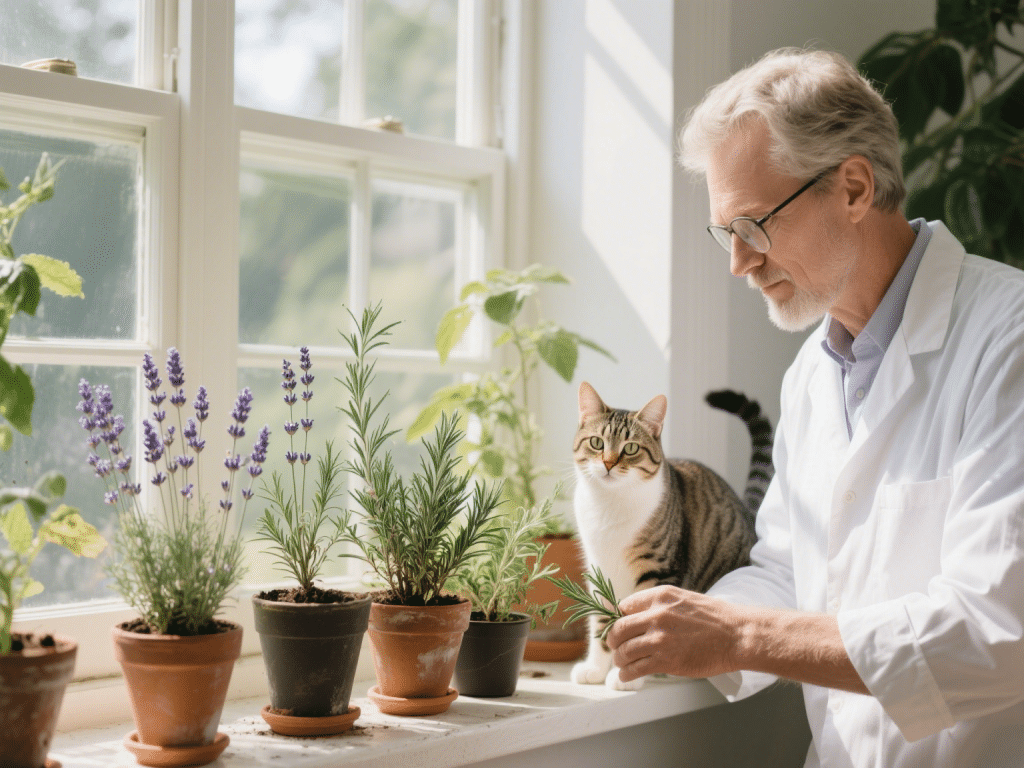
As a horticulturist and long-time pet advocate, I’m often asked how to keep homes flea-f...
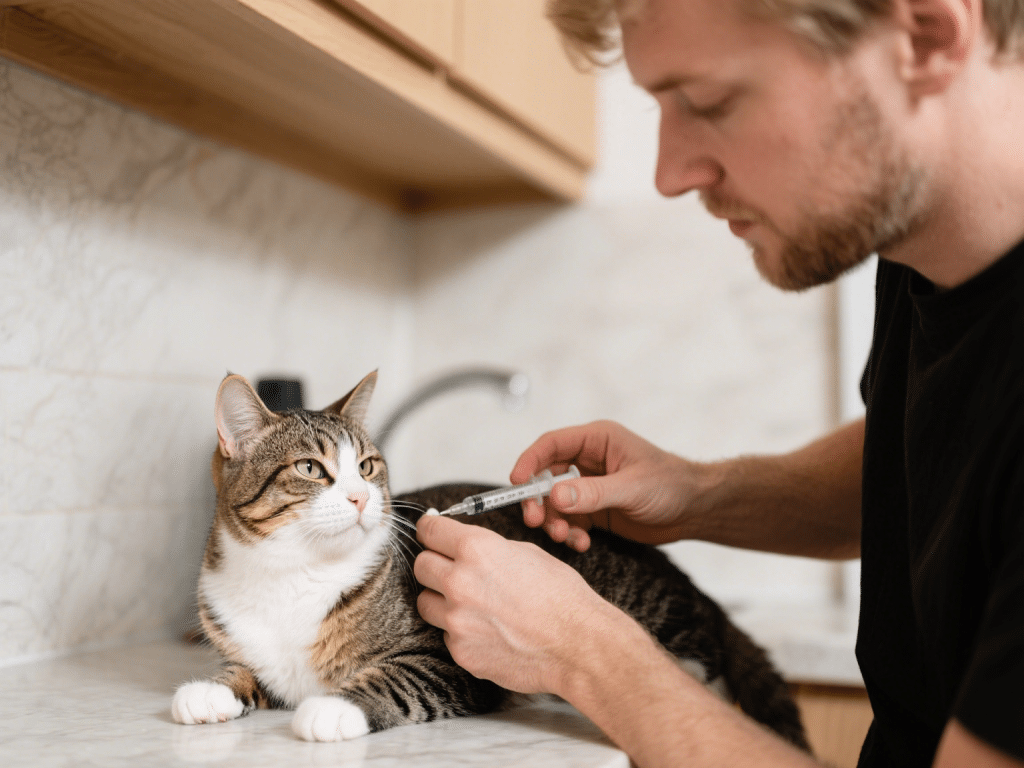
Feline diabetes affects up to 1 in 100 cats, leading to excessive thirst, weight loss, and...

IntroductionNearly 20–40% of dogs display separation anxiety when left alone, leading to...
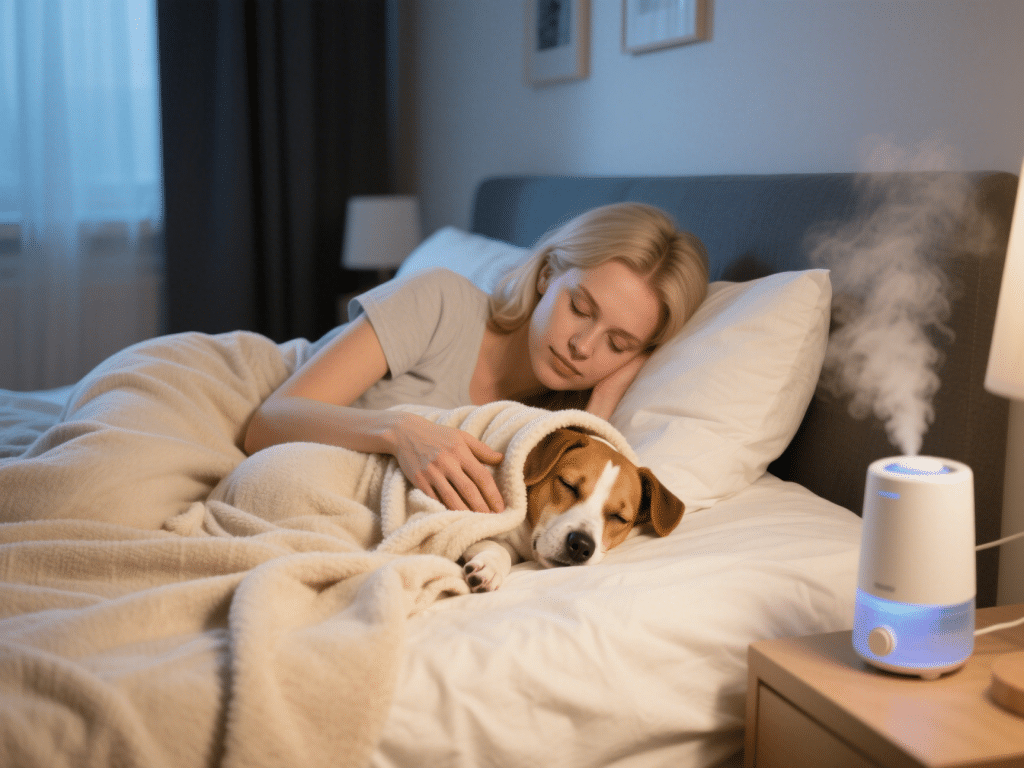
IntroductionWhile “catching a cold” in pets differs from human colds, dogs and cats ca...
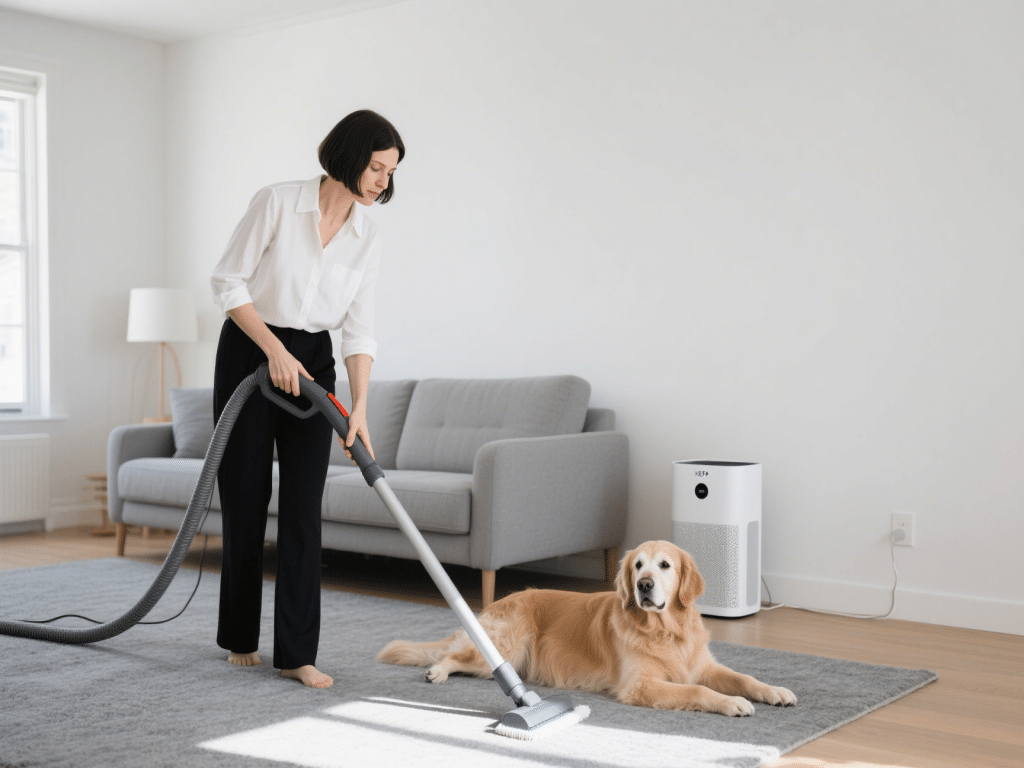
Understanding Dog Allergies in Your HomeDog allergies affect millions, triggered primarily...
Comments on "Top 7 Warning Signs Your Pet Bird Is Stressed (And How to Help)" :