
Pet Information
Why Cats Knead: The Instinctual Roots and How to Respond
When your cat gently presses paws into your lap or their blanket—alternating left and ri...


Introduction
Scratching is an instinctive behavior for cats to maintain claw health, stretch muscles, and mark territory. Redirecting this behavior to a scratching post preserves furniture and satisfies your cat’s needs. Follow these steps to ensure your cat adopts proper scratching habits.
1. Selecting the Right Scratching Post
Height & Stability: Choose a post at least 30 inches tall for full-body stretch; ensure a sturdy base to prevent wobbling.
Material: Sisal rope or sisal-covered posts are highly attractive. Avoid carpeted posts that resemble furniture.
Variety: Offer both vertical and horizontal surfaces—some cats prefer lying flat to scratch.
2. Placement & Introduction
Strategic Location: Place the post near favorite scratching areas (e.g., beside the sofa) and resting spots.
Scent Enrichment: Rub catnip or catnip spray on the post to attract initial interest. Let your cat sniff before encouraging use.
Model Behavior: Gently place your cat’s paws on the post and mimic the scratching motion to demonstrate.
3. Positive Reinforcement
Praise & Treats: When your cat uses the post, reward immediately with a treat and affection to reinforce the behavior.
Consistent Timing: Reward during or immediately after scratching to strengthen the scratch-post association.
Interactive Play: Use toys attached to the top of the post to encourage climbing and scratching.
4. Redirecting Undesired Scratching
Interrupt & Redirect: If you catch your cat scratching furniture, softly say “no,” and move them to the post. Gently guide their paws to scratch the post.
Deterrents on Furniture: Apply double-sided tape or use furniture covers until the new habit forms; textures deter scratching.
5. Maintaining Engagement
Rotate & Refresh: Replace or rotate posts every 6–12 months to maintain novelty. Use new catnip or hang toys intermittently.
Trim Nails Regularly: Trim claws every 2–3 weeks to make scratching on the post more satisfying and reduce furniture damage.
Multiple Posts: In multi-cat households, provide one post per cat plus one extra to reduce territorial disputes.
Conclusion
Training your cat to use a scratching post effectively requires choosing appealing materials, strategic placement, and consistent positive reinforcement. By redirecting unwanted scratching and providing engaging posts, you protect furniture and encourage healthy feline behaviors. With patience and persistence, your cat will prefer the scratching post and enjoy a scratch-friendly environment.
When your cat gently presses paws into your lap or their blanket—alternating left and ri...
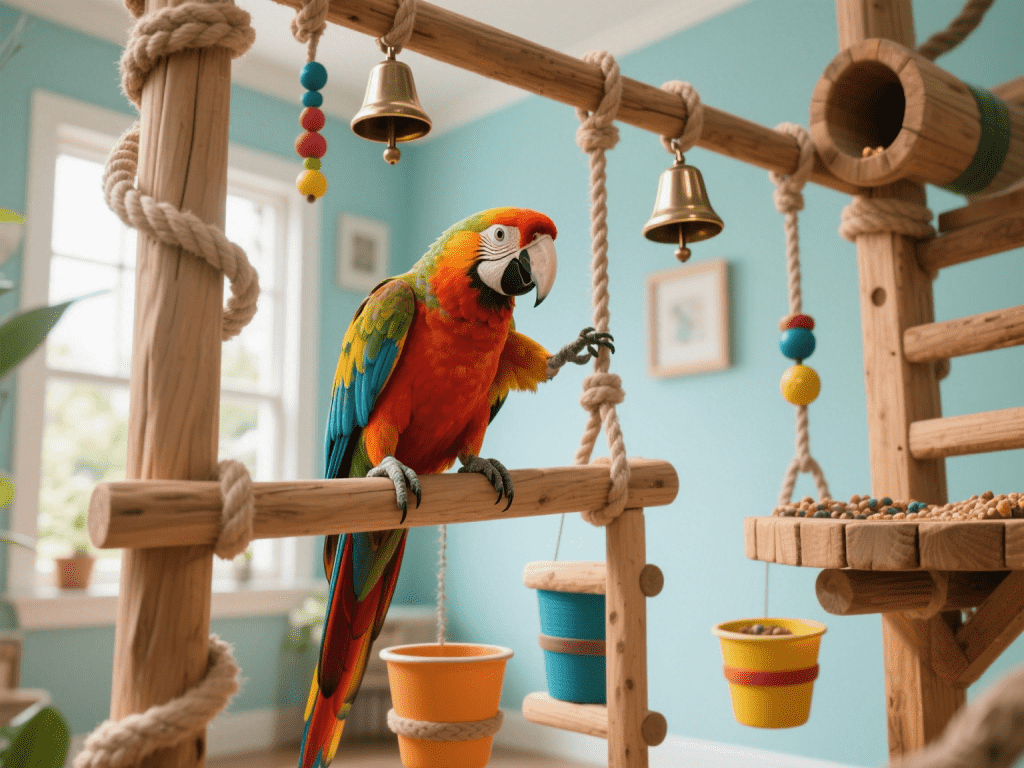
As an avian enthusiast with over a decade of sanctuary work, I’ve learned that mental st...

Indoor cats crave stimulation and a good view of the outdoors can greatly enrich their env...

IntroductionEnsuring your cat receives timely vaccinations is one of the most important st...

IntroductionCat allergies affect many households: even though felines can trigger allergic...

IntroductionWelcoming a kitten into your home is a joyful experience, but it also carries ...
Comments on "How to Teach Your Cat to Use a Scratching Post Effectively" :