Pet Information
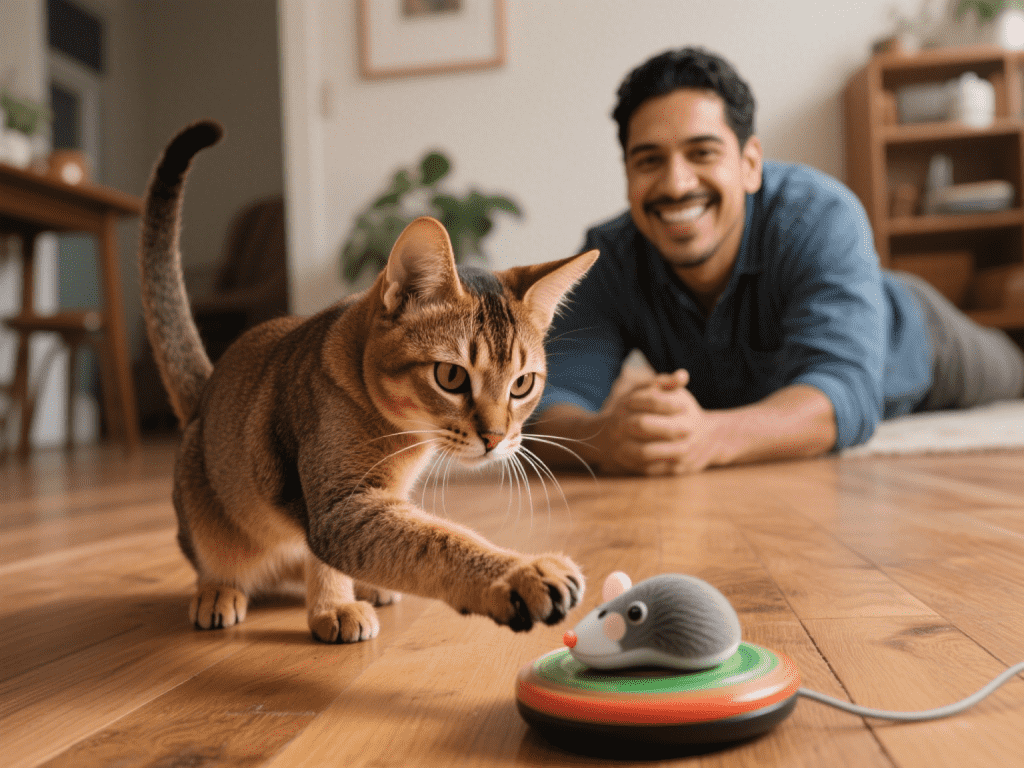
Obsessive Chasers: When a Cat’s Curiosity Becomes Hyperthymesia
When your cat becomes fixated—stalking the same toy for hours or compulsively licking a ...

Introduction
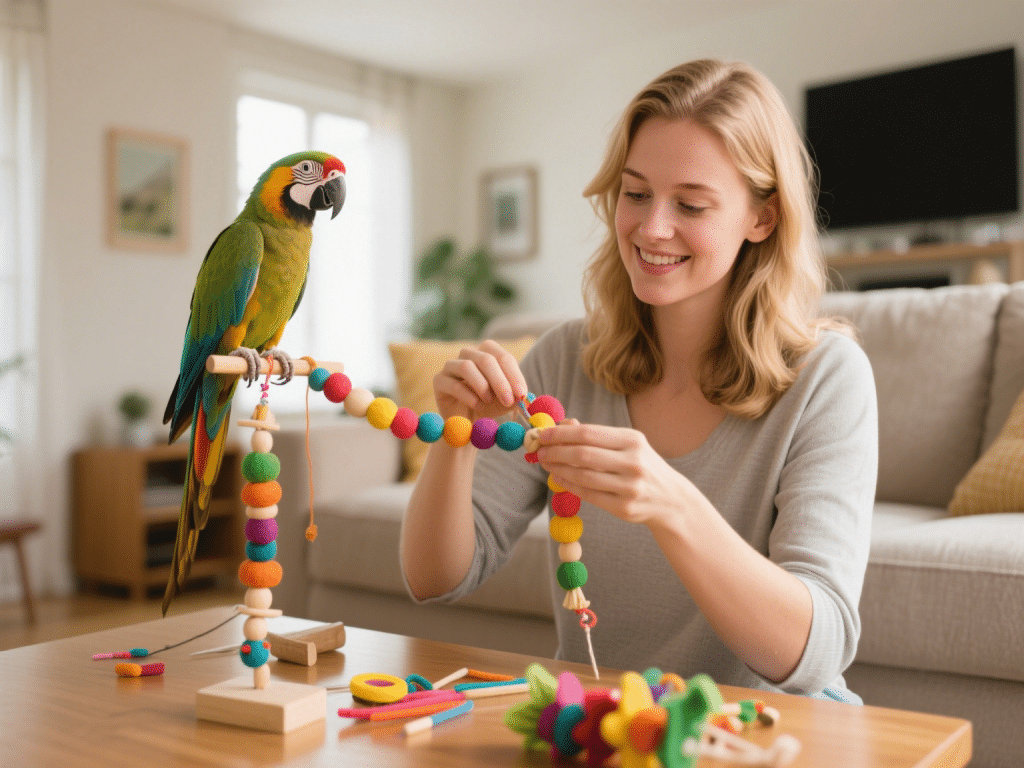
Parrots are intelligent, social birds requiring mental and physical stimulation to prevent boredom and destructive behaviors. Providing safe DIY toys enhances their environment, keeping them entertained and active. Below are easy, cost-effective ideas using non-toxic materials.
1. Safety Guidelines: Materials to Use and Avoid
Safe Materials:
Untreated, kiln-dried hardwood blocks (maple, apple)
Cotton or hemp rope (natural fibers)
Food-grade cardboard and paper
Stainless steel hardware (eyewash screws, clips)
Avoid:
Painted or varnished wood (toxic fumes)
Plastics with BPA or phthalates
Small beads, bells painted with toxic paints
Metals containing zinc, lead, or copper
2. DIY Toy 1: Wooden Block Forager
Materials: Untreated wood blocks (1–2” cubes), cotton rope, stainless steel eye screws, small treats.
Instructions:
Drill a central hole through each block.
Slide blocks onto the cotton rope, alternating with knots to secure each block.
Fasten eye screws at both ends to create a hanging toy.
Tuck small treats between blocks to encourage foraging behavior.
3. DIY Toy 2: Cardboard Puzzle Box
Materials: Food-grade cardboard box, paper tube (toilet paper or paper towel roll), untreated wooden perch.
Instructions:
Cut small doors on the sides of the cardboard box for access.
Fill with shredded paper and small treats to encourage digging.
Insert paper tubes vertically for chewing.
Attach a perch near the box entrance to encourage perching and exploration.
4. DIY Toy 3: Rope Swing with Chew Sections
Materials: Cotton rope (½” diameter), wooden beads, stainless steel swivel.
Instructions:
Thread wooden beads onto rope at intervals of 4–5 inches.
Tie knots below each bead to secure.
Attach a swivel at the top for hanging inside the cage.
Omit bells to avoid ingestion risks.
5. Introducing & Rotating Toys
Gradual Introduction: Place the new toy near existing favorites to encourage curiosity. Let the parrot explore on its own, without pushing.
Rotation Schedule: Rotate toys weekly to maintain novelty. Remove toys showing wear or sap buildup to prevent splintering.
Observation: Monitor which materials your parrot prefers (chewing, shredding, hanging) and create more toys using those materials.
6. Enrichment Through Interaction
Supervised Playtime: Occasionally hand-hold new toys outside the cage to demonstrate use.
Training Sessions: Combine toys with training commands (e.g., “step up” followed by a toy interaction) to build positive associations.
Sensory Variety: Introduce different textures and shapes—paper, wood, rope—to stimulate natural parrot behaviors.
Conclusion
Safe indoor parrot toys can be crafted easily with non-toxic materials to provide essential mental and physical enrichment. By offering a variety of textures, encouraging foraging, and rotating toys regularly, you prevent boredom and destructive behaviors. Always monitor toy condition, replace worn items, and supervise initial use to ensure your parrot’s safety and enjoyment.
When your cat becomes fixated—stalking the same toy for hours or compulsively licking a ...
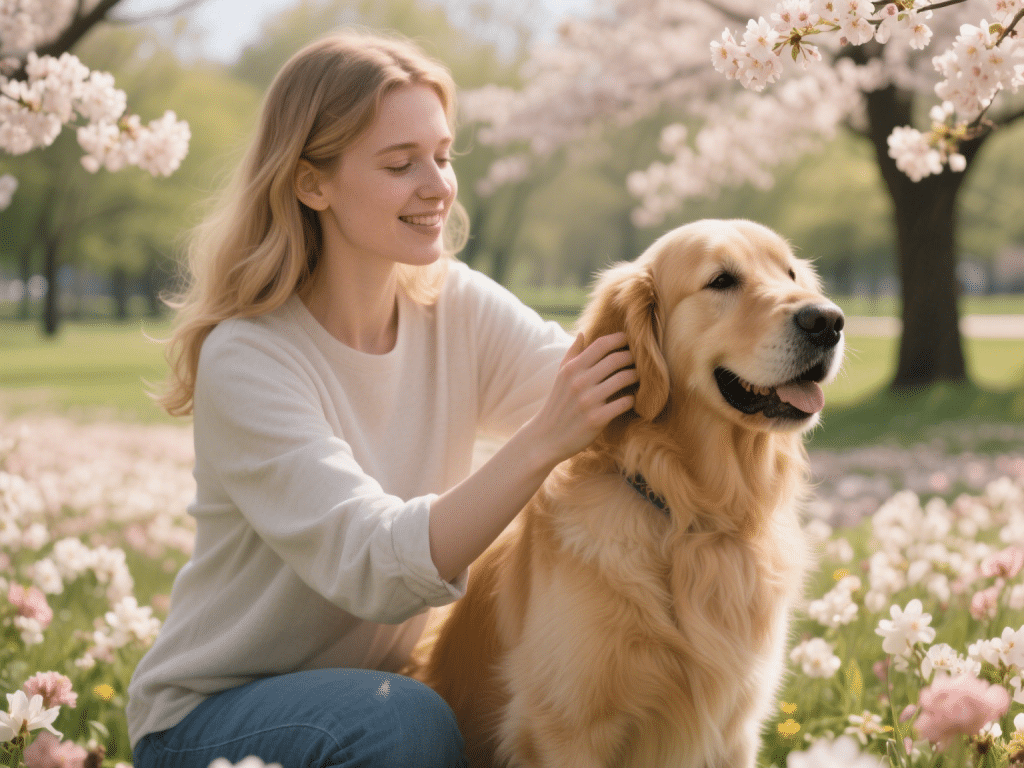
As the seasons shift, so does the pollen count—and just like humans, dogs can suffer fro...
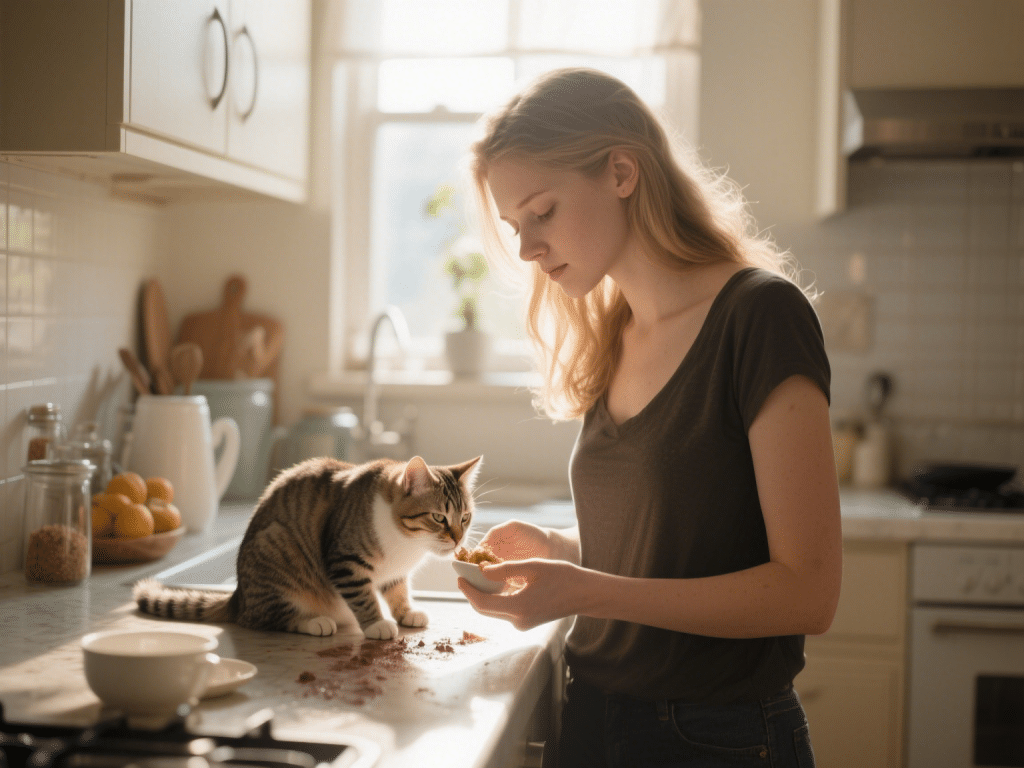
As an experienced feline health specialist and long-time blogger, I understand how devasta...
Reptiles—from bearded dragons to ball pythons—have specialized skin that reflects thei...
IntroductionTraining kittens to use a litter box is a fundamental milestone for every cat ...

How to Bathe Your Dog at Home Without Stress: A Step-by-Step GuideBathing your dog shouldn...
Comments on "Safe Indoor Bird Toys: DIY Ideas for Parrots" :