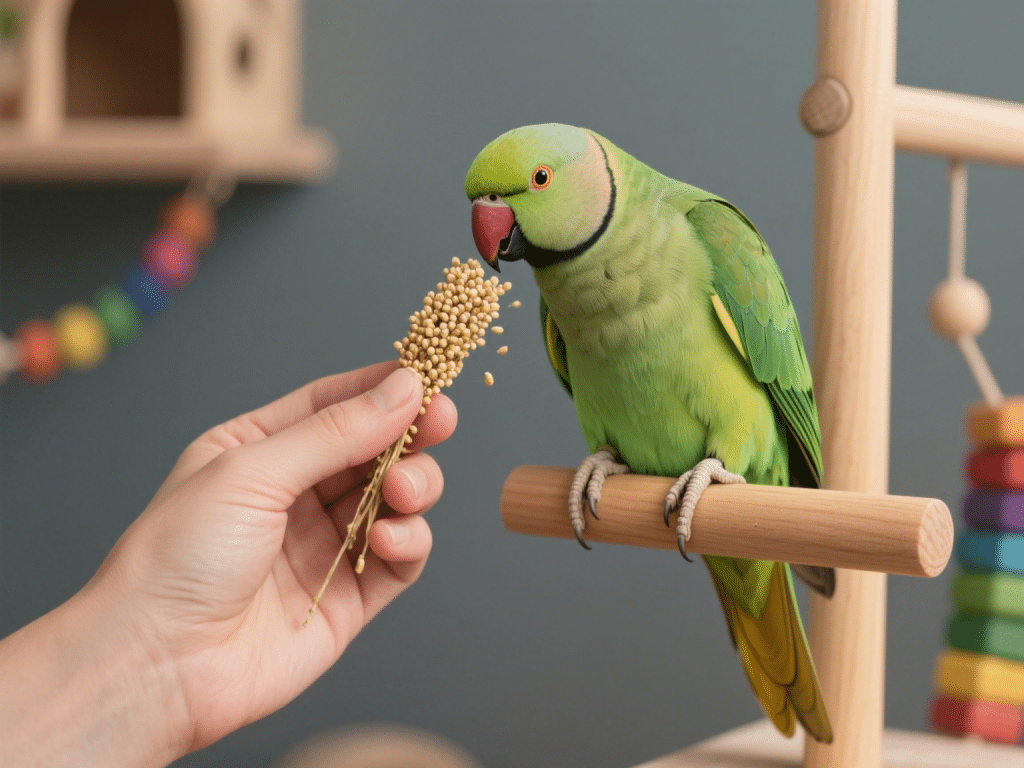
Pet Information
Building Trust: Effective Training and Socialization for Pet Birds
Training and socialization are cornerstones of a harmonious relationship with your pet bir...


Rescue dogs often carry emotional scars from past trauma, leading to anxiety, fear, and unwanted behaviors. As a certified dog behavior consultant with eight years working in shelters, I’ve helped hundreds of rescues transition into confident family members. This guide outlines empathetic, science-backed methods to soothe your rescue’s anxiety and build lasting trust.
1. Understanding Canine Anxiety
Common triggers include separation, loud noises, new environments, and unpredictable handling. Physiologically, anxious dogs exhibit elevated cortisol and adrenaline.
2. Establishing a Safe Space
Designated Quiet Zone: A crate or corner with familiar bedding and toys.
Predictable Routine: Consistent feeding, walking, and play schedules lower stress hormones.
3. Desensitization & Counterconditioning
Gradual Exposure: Introduce triggers at low intensity—e.g., record thunder at low volume, rewarding calm behavior.
Positive Associations: Pair unfamiliar stimuli with high-value treats.
4. Interactive Enrichment
Puzzle Feeders & Slow-Feed Bowls: Engage the mind, reducing focus on stressors.
Nose Work Games: Hide treats around the house to promote confidence.
5. Training with Positive Reinforcement
Reward calm behavior with treats and praise. Avoid punishment, which heightens fear.
6. Professional Support & Supplements
Calm-Inducing Supplements: L-tryptophan, casein hydrolysate, and fish oil can modulate neurotransmitters.
Thundershirt or Anxiety Wraps: Gentle pressure mimics a hug, easing acute stress.
7. When to Consult a Veterinarian
If severe anxiety persists—self-harm, aggression, or house-soiling—veterinary behaviorists may recommend short-term anxiolytics.
Conclusion
With patience, structure, and compassion, you can guide your rescue dog toward a peaceful, confident life. Employ these proven strategies consistently, and celebrate each step of progress.
Training and socialization are cornerstones of a harmonious relationship with your pet bir...
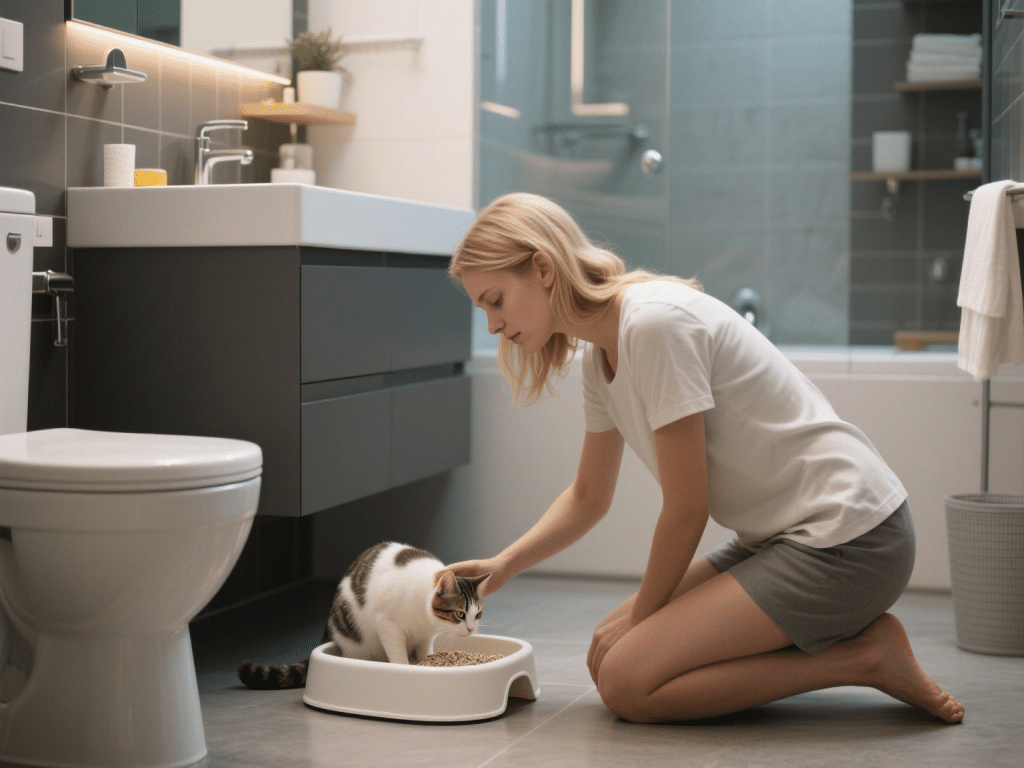
A cat refusing its litter box can create stress for both pet and owner. Often, hidden medi...

With headlines proclaiming the wonders of grain-free dog food, many pet parents wonde...

I’m a long-time pet blogger and indoor gardening enthusiast. With over a decade of testi...

IntroductionCats cannot speak our language, but their vocalizations convey nuanced message...
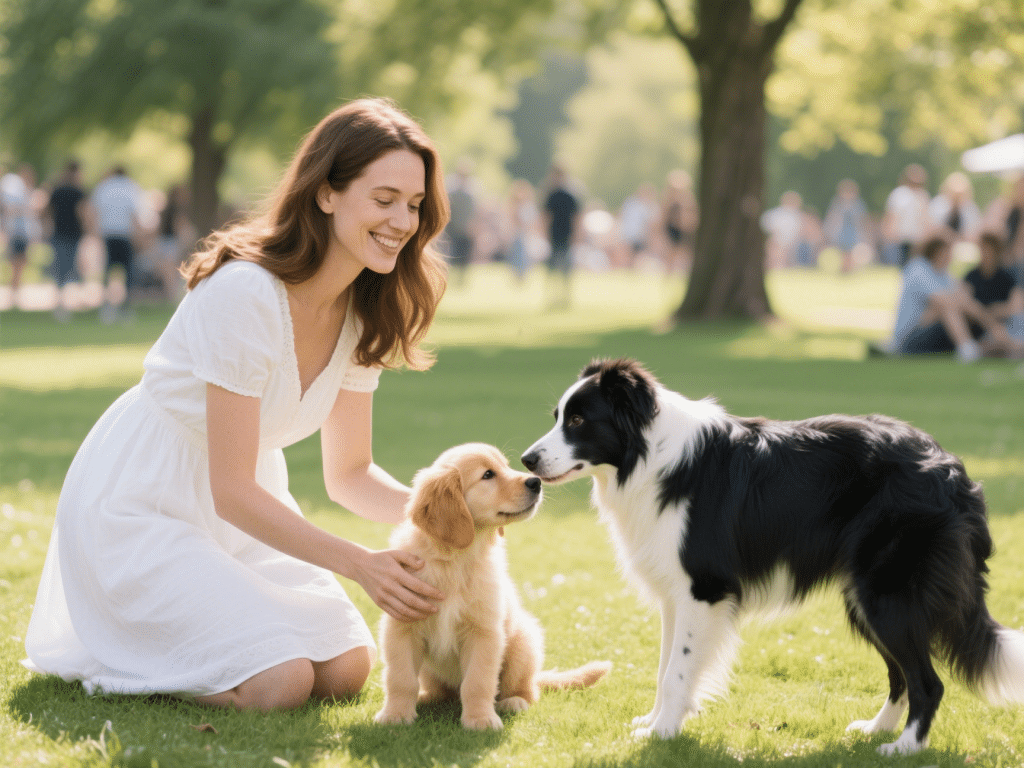
Puppy Socialization 101: How to Raise a Friendly DogRaising a confident, friendly dog hing...
Comments on "Managing Anxiety in Rescue Dogs: Proven Strategies for a Calmer Pet" :