Pet Information
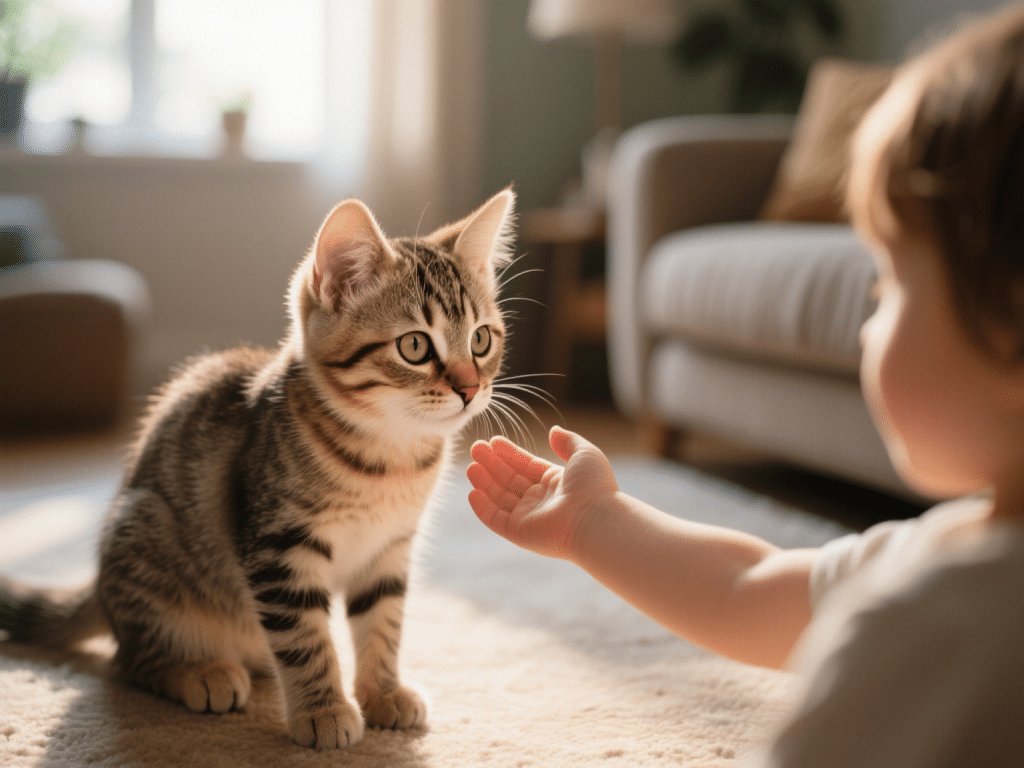
Socializing Your Kitten: Effective Techniques for a Confident Cat
Socialization is the cornerstone of a well‑adjusted, emotionally healthy cat. During the...

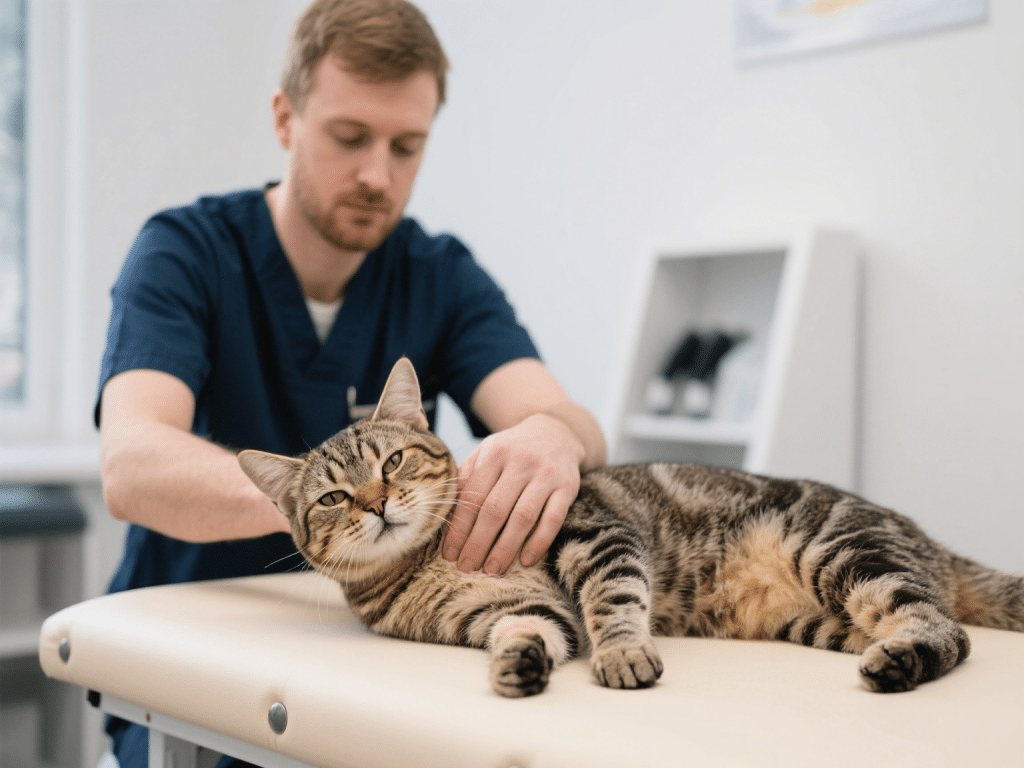
Arthritis affects up to 90% of cats over 10 years old, silently eroding mobility and comfort. As a certified animal rehabilitation specialist with 15 years’ clinic experience, I’ve guided families through tailored management plans. This article outlines holistic and medical approaches—ranging from joint-supportive nutrition to therapeutic exercises—so your senior cat can move with ease and joy.
1. Recognizing Feline Arthritis
Subtle Signs: Decreased jumping, stiffness after rest, reluctance on stairs.
Behavioral Clues: Increased irritability, decreased grooming in painful areas.
2. Veterinary Assessment
Physical Exam: Palpation of joints to detect swelling or pain.
Imaging: X-rays confirm joint space narrowing and bone spurs.
3. Nutritional Support
Omega-3 Fatty Acids: Fish oil supplements reduce inflammation—dosage per vet guidance.
Joint Supplements: Glucosamine, chondroitin, and MSM fortify cartilage.
Weight Management: Even a small weight loss lessens joint stress significantly.
4. Pain Management
NSAIDs: Meloxicam or robenacoxib under strict veterinary supervision.
Adjunctive Options: CBD oil (veterinary-grade) showing promise in feline studies.
5. Physical Rehabilitation
Passive Range-of-Motion Exercises: Daily gentle flexion and extension of limbs.
Low-Impact Play: Laser pointers and wand toys encourage movement without joint strain.
Hydrotherapy: Supervised water treadmill sessions to build muscle support.
6. Home Environment Modifications
Soft Bedding & Heated Pads: Relieves joint stiffness in cool weather.
Ramp Access: Slopes or steps to favorite resting spots reduce jumping.
Non-Slip Flooring: Area rugs or yoga mats help secure footing.
7. Complementary Therapies
Acupuncture: Stimulates endorphin release and can decrease pain.
Massage & TENS: Licensed veterinary massages and safe transcutaneous electrical nerve stimulation sessions.
8. Monitoring & Adjustments
Regular Check-Ins: Monthly vet visits to adjust medications and exercises.
Owner Logs: Track mobility, appetite, and playfulness to gauge progress.
Conclusion
Arthritis needn’t steal your cat’s golden years. Combining veterinary care, nutrition, rehab, and thoughtful home tweaks empowers senior felines to live more comfortably and stay active well into advanced age.
Socialization is the cornerstone of a well‑adjusted, emotionally healthy cat. During the...
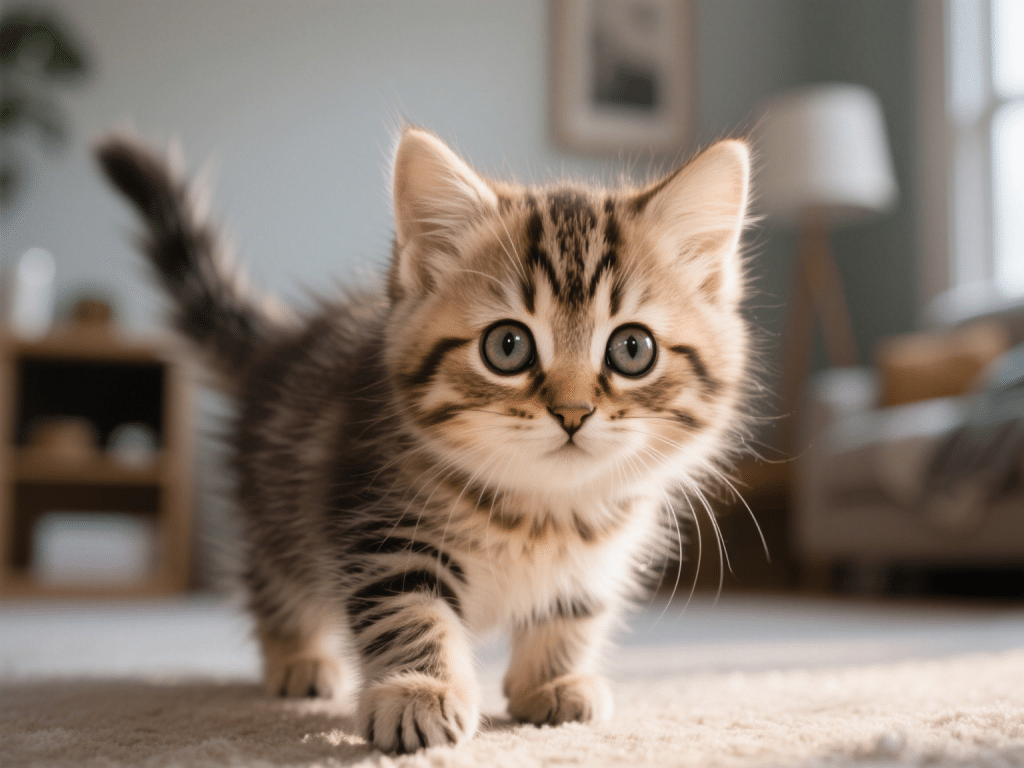
Welcoming a new kitten into your home is a joyous adventure filled with wonder—and quest...
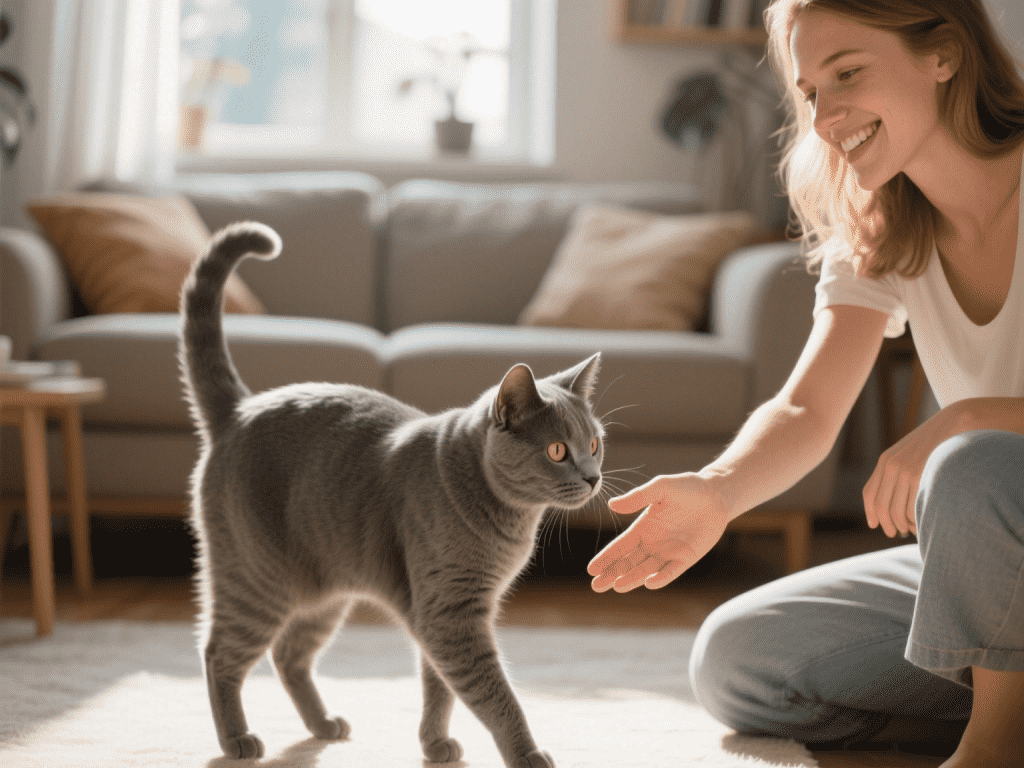
As a long‑time feline behavior enthusiast, I’ve learned that your cat’s tail is like...
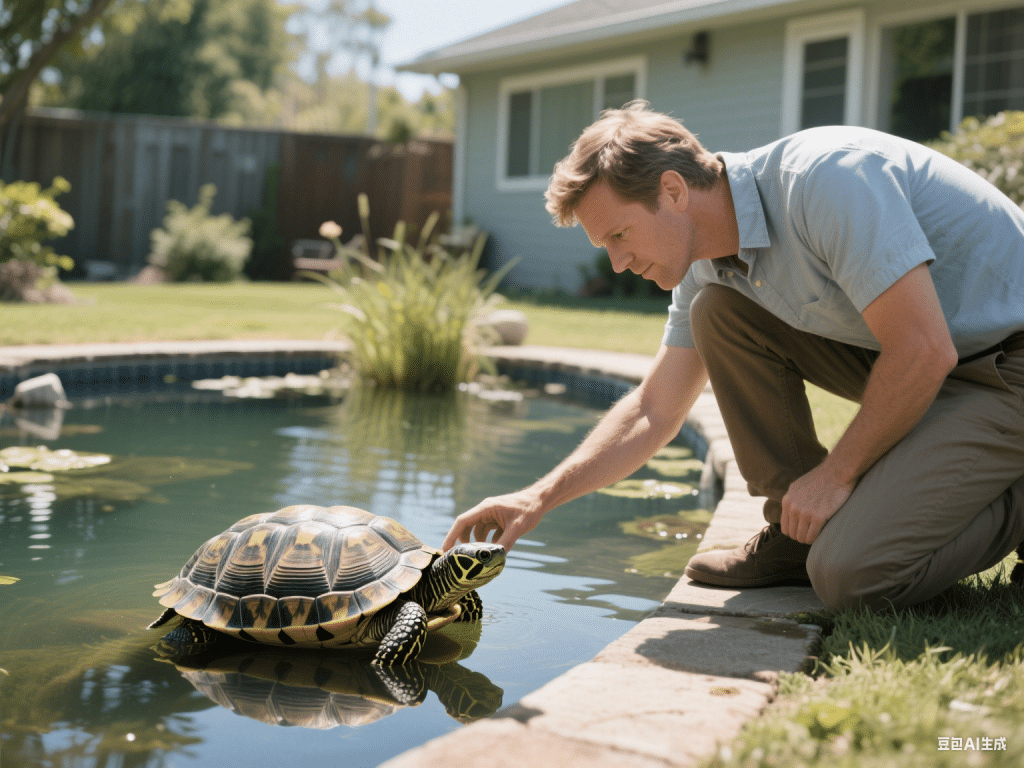
A turtle’s shell is more than a shield—it’s a vital living structure made of keratin...

Creating a thriving freshwater community tank requires balancing species’ temperature, p...

IntroductionBuilding a custom pet bed is a rewarding project that ensures your cat or dog ...
Comments on "Senior Cat Arthritis Management: Comfort Strategies That Work" :