
Pet Information
Multi‑Cat Harmony: Strategies to Reduce Conflict and Foster Peace
Running a multi‑cat household can deliver double the affection—but also double the pot...

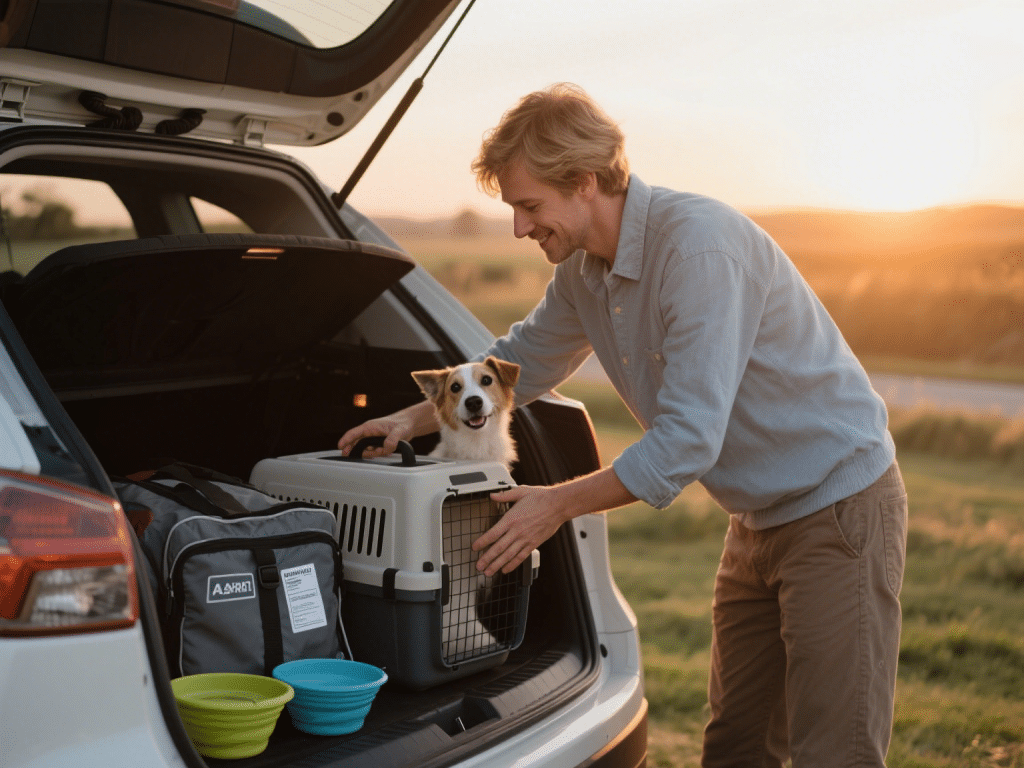
With 12 years of experience as a traveling pet lifestyle writer, I understand the challenges of taking your four-legged companion on the open road. Whether you’re crossing states or just heading to summer camp, this essential checklist ensures your pet remains safe, comfortable, and happy for the entire journey.
Health Certificate & Vaccinations: Many states and parks require proof of health and up-to-date shots—schedule your vet visit 2 weeks before departure.
Microchip & ID Tags: Confirm contact details are current. Include a temporary ID tag with your travel cell number.
Secure Restraint: Use crash-tested harnesses for dogs or airline-approved carriers for cats, secured with seat belts.
Climate Control: Keep cabin between 68–75 °F. Never leave pets alone in parked vehicles.
Window Guards: Install mesh screens to prevent curious noses and paws from escaping.
Food & Water: Pre-portion meals into resealable bags; pack a collapsible bowl and bottled water.
Comfort Items: Bring favorite blanket or toy to reduce stress.
Waste Management: Biodegradable waste bags and portable litter box for cats.
Regular Breaks: Stop every 2–3 hours for bathroom, stretch, and water.
Leash & Harness Checks: Always leash your dog during stops; test harness fit mid-trip as fur may shift.
Calming Aids: Consider pheromone sprays or anxiety wraps for nervous travelers.
First Aid Kit: Include bandages, antiseptic wipes, and vet-recommended medications.
Local Vet Contacts: Research clinics along your route; save phone numbers on your phone and printed copy.
Backup Plan: In case of breakdown, have a roadside assistance plan that covers pets.
By following this checklist—covering health, safety, comfort, and emergencies—you’ll minimize stress and focus on making memories with your pet companion. Safe travels!
Running a multi‑cat household can deliver double the affection—but also double the pot...

In my eight years caring for a variety of freshwater and terrestrial turtles, I’ve notic...

Welcoming a new puppy into a home where an older dog has established routines can be trick...

IntroductionKittens are especially vulnerable to fleas—they can suffer anemia, dermatiti...

IntroductionDogs, especially intelligent breeds, can suffer from boredom when their physic...

Mastering Dog Leash Training: A Beginner’s GuideWalking your dog should be a joy, not a ...
Comments on "Essential Travel Checklist for Long-Distance Pet Road Trips" :