Pet Information
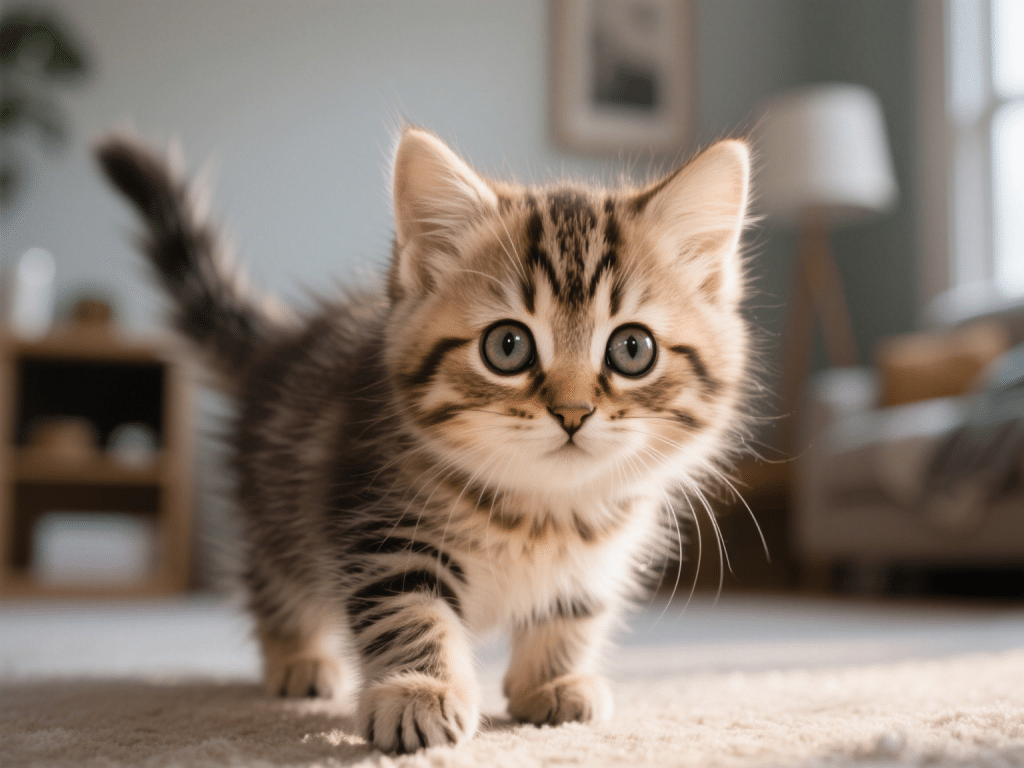
Your Kitten’s Journey: Key Growth Milestones from Newborn to Six Months
Welcoming a new kitten into your home is a joyous adventure filled with wonder—and quest...

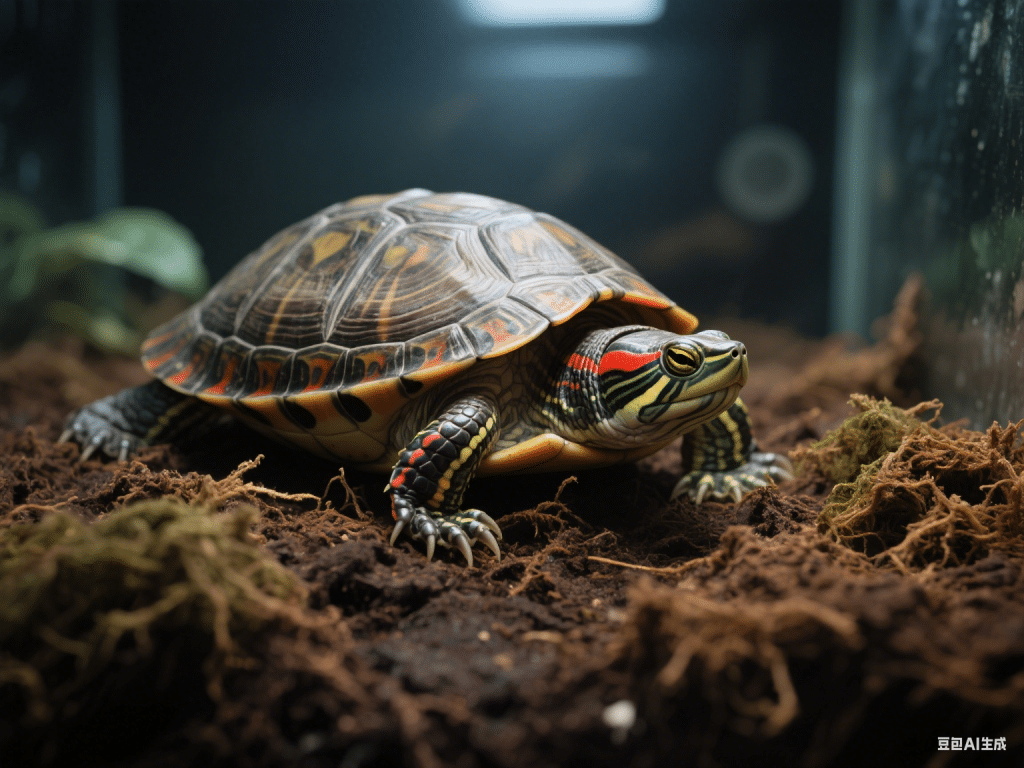
Brumation—the reptilian equivalent of hibernation—is essential for many temperate freshwater turtle species. Executed correctly, it supports natural metabolic rhythms and long‑term health. Done improperly, however, brumation can lead to dehydration, immune suppression, and even fatal complications. Drawing on fifteen years of reptile husbandry and field observations, this comprehensive guide covers the physiological triggers, environmental cues, hands‑on protocols, and recovery steps for a safe, successful brumation cycle.
Endocrine Shifts:
As daylight hours shorten and temperatures drop, turtles release melatonin from the pineal gland, which in turn modulates thyroid activity to slow metabolism.
Body temperature falls to 50–60 °F (10–15.5 °C), reducing heart rate and digestive processes to as low as 20–30% of normal.
Environmental Gradients:
Temperature Ramp‑Down: Over 4–6 weeks, gradually lower enclosure temps from 75–85 °F (24–29 °C) to 50–60 °F (10–15.5 °C).
Light Cycle Reduction: Use a timer to decrease photoperiod from 12 hours to 8 hours of light per day.
Humidity Maintenance: Keep relative humidity at 70–80% using moist substrate (peat moss, coco coir) to prevent desiccation.
Physical Examination:
Weigh turtles weekly in the months prior to brumation. Healthy candidates should be at 90–110% of ideal adult weight with a body condition score (BCS) of 3–4/5.
Perform fecal exams and a baseline blood panel to rule out parasites, infections, or nutritional deficiencies.
Nutritional Build‑Up:
Four to six weeks before dormancy, offer slightly higher‑protein and healthy‑fat diets (e.g., earthworms, fatty fish oils) to build energy reserves.
Gut Clearance:
Cease feeding 3–5 days before anticipated brumation to ensure the digestive tract is empty, reducing risk of decomposition and toxin buildup.
Temperature & Humidity Logging:
Place data loggers at both the substrate surface and ambient air to verify stable temps within ±1 °F.
Check humidity daily; mist substrate lightly as needed.
Bi‑weekly Health Checks:
Gently weigh turtles every two weeks. A weight change under 5% is acceptable; losses over 10% warrant gentle warming and refeeding.
Observe posture—turtles should remain tucked in and exhibit minimal movement. Frequent surfacing signals distress.
Gradual Warm‑Up:
After 8–12 weeks of dormancy, increase temperatures by 2–3 °F per day until settling around 75 °F (24 °C).
Reduce humidity concurrently back to 50–60%.
Rehydration & First Feedings:
Offer a shallow warm soak (85–90 °F) for 10–15 minutes to promote circulation and hydration.
Provide diluted greens (spinach water 1:5) for initial gut activation, followed by small quantities of high‑fiber vegetables.
Health Reevaluation:
Weigh and compare pre‑ and post‑brumation masses.
Repeat blood work and fecal analyses if weight recovery lags or if appetite remains low after one week.
Brumation, when managed with precise environmental control, thorough health screening, and compassionate post‑dormancy care, enhances your turtle’s natural lifecycle and vitality. By respecting these seasonal rhythms, you’ll promote robust longevity and well‑being in your shelled companion.
Welcoming a new kitten into your home is a joyous adventure filled with wonder—and quest...

As dogs enter their golden years, their nutritional requirements shift—metabolic rate sl...

Ear infections (otitis) are common in domestic rabbits, especially lop-eared breeds where ...

IntroductionBringing a new puppy into a household with an established cat can be challengi...
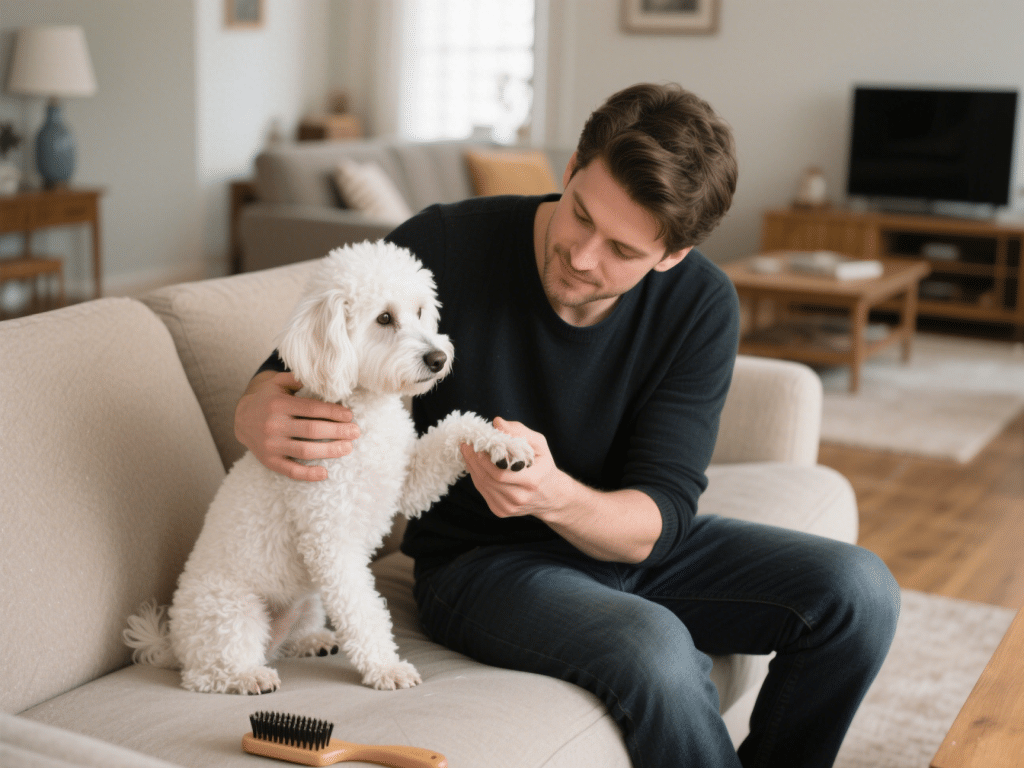
IntroductionA trip to the groomer can be stressful for pets unfamiliar with grooming tools...

IntroductionRescue dogs often arrive with a history of abandonment, neglect, or abuse. Thi...
Comments on "Brumation in Freshwater Turtles: Preparation, Monitoring & Recovery" :