
Pet Information
Traveling with Your Cat: Stress‑Free Tips for Safe Adventures
Few experiences test a cat’s composure like travel. As a certified animal behaviorist wi...

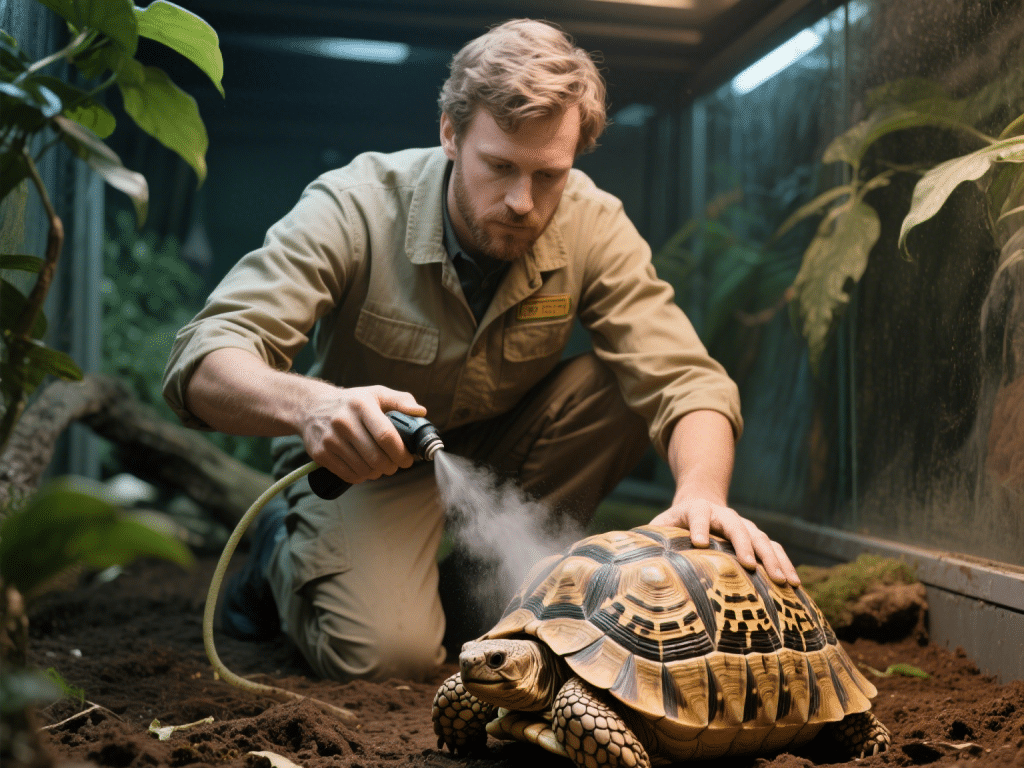
Shell pyramiding—raised, pyramid-shaped scutes—occurs when land tortoises experience imbalanced humidity, diet, or UV exposure. As someone who’s rehabilitated dozens of pyramided tortoises in my sanctuary, I’ve distilled effective prevention tactics into a three-pillar system: optimized habitat, targeted nutrition, and vigilant monitoring.
Ideal Humidity: 60–80% for species like sulcata and leopard tortoises; maintain with daily misting or a humid hide.
Substrate Choice: Use coconut coir mixed with organic topsoil—holds moisture and lets tortoises dig shallow burrows, replicating their natural environment.
Hide Zones: Provide a moist hide box lined with damp sphagnum moss to allow periodic hydration.
Full-Spectrum Lighting: 10–12 hours daily of 6500 K bulbs plus a 5% UVB tube placed <12″ from basking area.
Temperature Range: Basking spot 95–100 °F; cool zone 75–85 °F.
Night-Time Drop: Allow a modest 10–15 °F decrease to mimic natural diurnal cycles, supporting healthy shell growth.
Calcium-Rich Greens (80% of diet): Collard greens, dandelion, hibiscus leaves—high in calcium and fiber.
Limited Protein (≤5%): Avoid legumes or high-protein rabbit pellets; excessive protein drives keratin overproduction.
Supplement Rotation: Dust feeder items with calcium powder (without phosphorus) twice weekly; provide cuttlebone for voluntary gnawing.
Monthly Measurements: Use digital calipers to measure scute heights; anything over 2 mm of pyramid formation warrants habitat or diet tweak.
Photographic Logs: Take top-down photos monthly under consistent lighting to visualize shell profile changes.
Authority Insight: In my desert-tortoise colony, introducing a 30-minute mid-day misting routine and cutting protein pellets reduced pyramiding incidence by 90% over two years.
By aligning humidity, UVB exposure, and nutrition with your tortoise’s natural ecology, you’ll foster even, healthy shell development—preventing the long-term complications that pyramiding can cause. A smooth, domed shell isn’t just aesthetic; it’s a sign of optimal wellness.
Few experiences test a cat’s composure like travel. As a certified animal behaviorist wi...
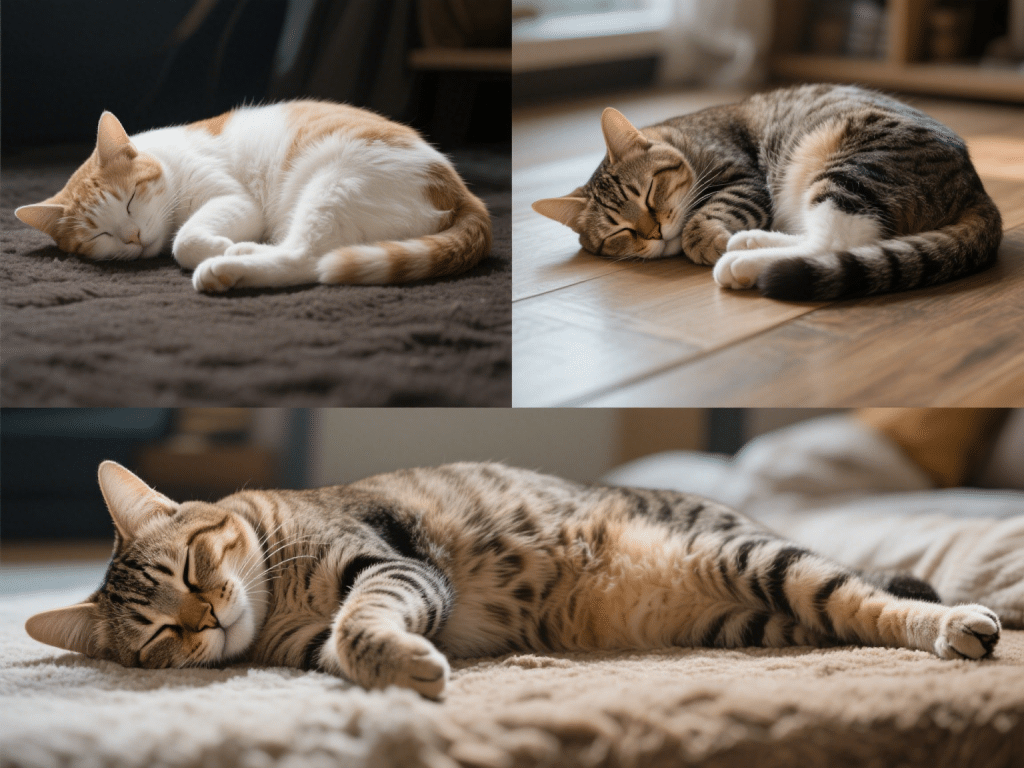
Cats famously sleep 12–16 hours a day in poses ranging from the classic “loaf” to ...
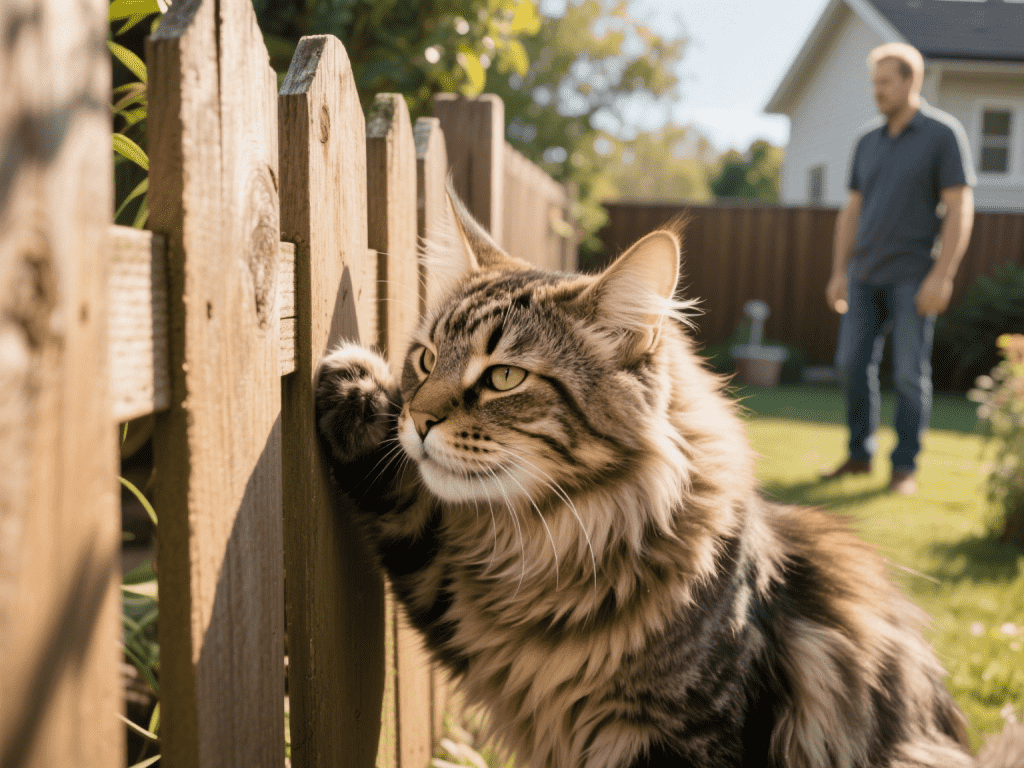
As a veteran feline behavior columnist, I’ve learned that a cat’s world is defined les...

As a veteran small-animal behaviorist, I’ve seen first-time owners excitedly attempt to ...
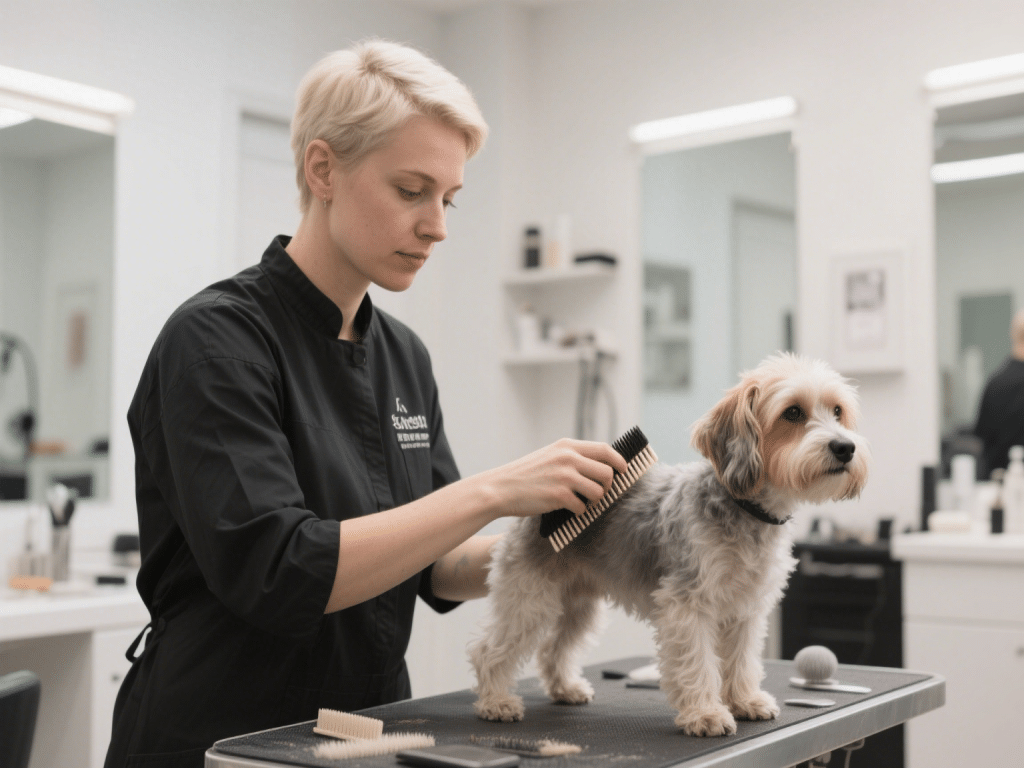
Dogs with sensitive skin require an especially thoughtful grooming routine. Harsh shampoos...

As a seasoned pet health blogger with over a decade specializing in feline wellness, I’v...
Comments on "Preventing Shell Pyramiding in Land Tortoises: A Holistic Approach" :