
Pet Information
Preventing and Managing Hairballs: Tips for a Happier, Healthier Cat
Hairballs—those stringy wads of fur—are a common feline woe, but they needn’t be a r...


Dogs are inherently curious, and without proper mental stimulation, even the happiest pets can develop behavioral issues like excessive barking, chewing, or anxiety. As a certified canine behavior consultant with fifteen years in the field, I’ve crafted dozens of enrichment toys from household items. These DIY projects boost cognitive function, satisfy sniffing instincts, and strengthen your bond. Below are five easy-to-make toys, complete with step-by-step instructions.
Materials: Empty plastic water bottle, dry kibble or treats, duct tape.
Method: Remove label and cap. Pierce holes slightly smaller than treat diameter. Secure bottle edges with tape. Fill bottle and let dog roll to release morsels.
Benefits: Encourages problem-solving and slows down fast eaters.
Materials: Muffin tin, tennis balls, your dog’s favorite treats.
Method: Scatter treats in tin cups, cover with tennis balls. Challenge dog to lift balls to find treats.
Benefits: Engages scent detection and reduces stress through sniff-driven activity.
Materials: Three old cotton T-shirts, scissors.
Method: Cut each T-shirt into long strips. Braid tightly and knot both ends.
Benefits: Great for interactive play and safe teething relief for puppies.
Materials: PVC pipe (½″ diameter, 2′ length), rope (4′), small plush toy.
Method: Drill hole near one end of pipe, tie rope through hole, and attach toy. Drag and swing at ground-level for chase games.
Benefits: Burns energy and hones prey drive in controlled bursts.
Materials: Old fleece blankets, treats.
Method: Lay blanket flat, scatter treats on top, roll blanket into a log. Encourage dog to unroll.
Benefits: Combines scent work with gentle physical effort, ideal for senior or mobility-limited dogs.
Rotate toys weekly to preserve novelty.
Supervise initial sessions to ensure safety and avoid ingestion of small parts.
Adjust difficulty by changing hole sizes or number of layers.
Conclusion:
These budget-friendly DIY toys not only engage your indoor dog’s mind and body but also deepen the human–canine bond through shared play. Regular enrichment is a cornerstone of holistic canine wellness and behavior management.
Hairballs—those stringy wads of fur—are a common feline woe, but they needn’t be a r...
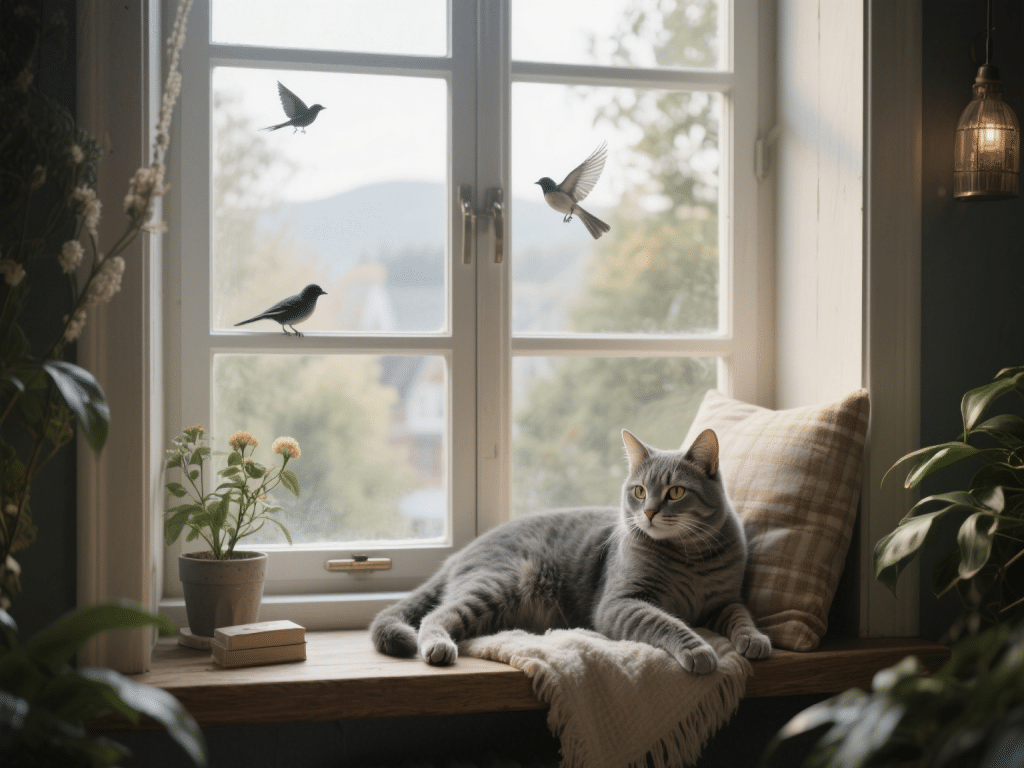
Every cat craves a sunny lookout. A window perch not only satisfies their curiosity but al...

There’s nothing quite like a persistent “meow, meow” echoing through the house at 3�...

Bringing a playful kitten into a home with resident cats can be both exhilarating and chal...

Even the most vigilant pet owners face bumps, scrapes, and sudden illnesses. Having a basi...
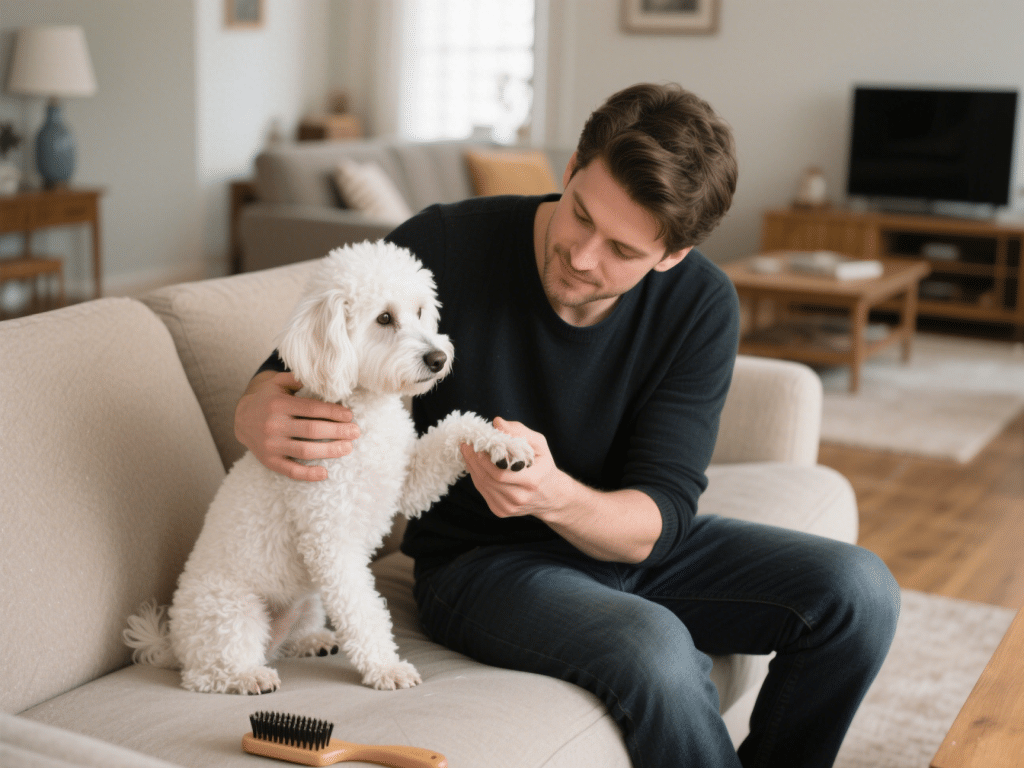
IntroductionA trip to the groomer can be stressful for pets unfamiliar with grooming tools...
Comments on "DIY Enrichment Toys to Stimulate Indoor Dogs" :