Pet Information
DIY Dog Bathing & Grooming: Tips for a Fresh and Happy Pup
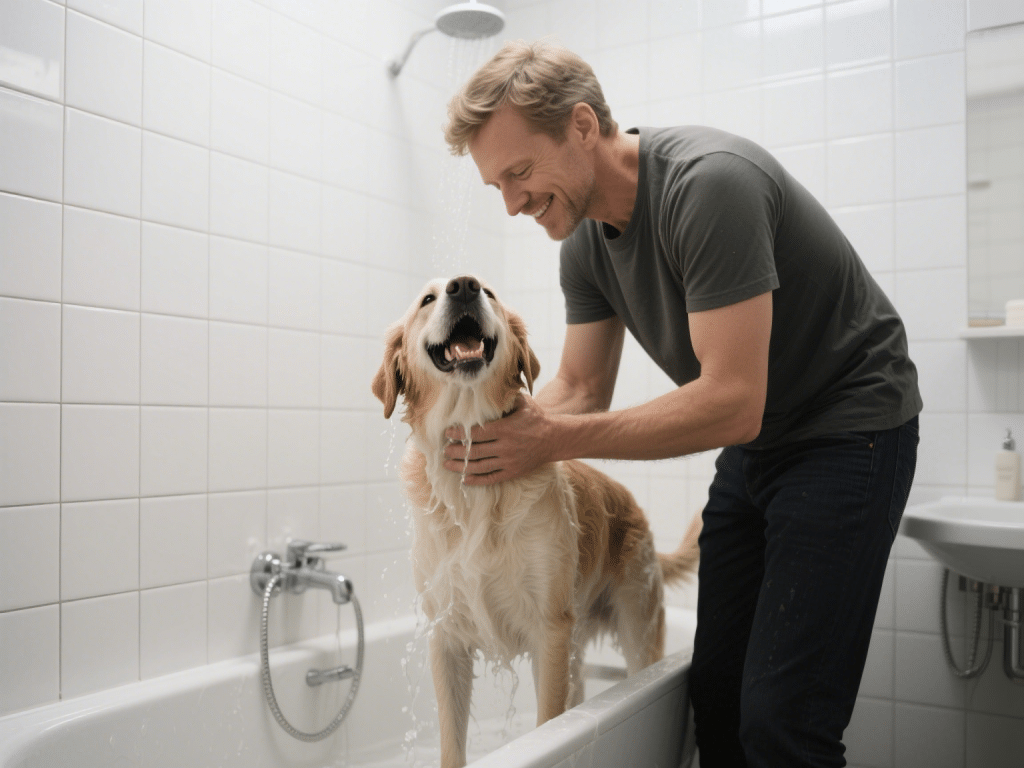
Grooming your dog at home isn’t just a money-saver—it’s an incredible bonding opport...

Introduction
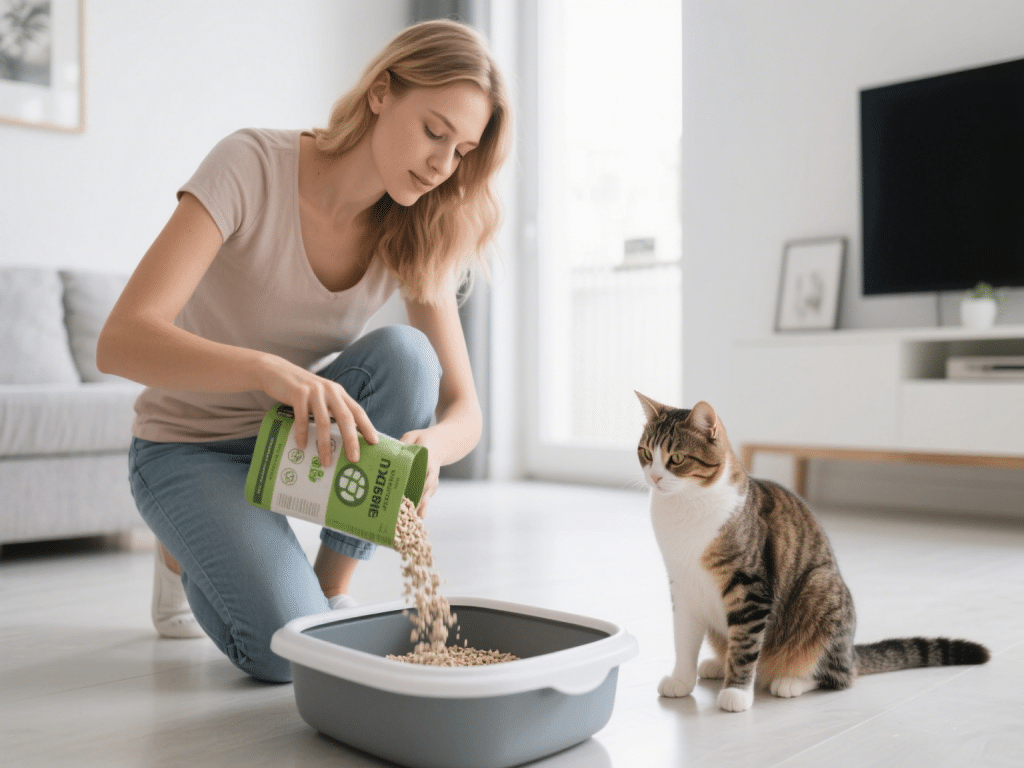
Traditional clay-based cat litters pose environmental challenges: strip-mining, non-biodegradability, and dust pollution. Eco-conscious cat owners increasingly seek sustainable alternatives that are safe and effective. This guide explores biodegradable, low-dust, and minimally processed cat litter options that align with your feline’s needs and planetary health.
Biodegradability:
Litters that decompose naturally in compost or landfill, returning to the ecosystem without harmful residues.
Avoid sodium bentonite (clay)—mined intensively, non-renewable, non-biodegradable.
Renewable Sourcing:
Made from rapidly renewable resources: wood pellets, wheat, corn, grass, recycled paper, coconut husks.
Supports sustainable forestry or agriculture when responsibly harvested.
Low-Dust and Chemical-Free:
Minimal dust reduces respiratory irritation in cats and humans.
Free of added fragrances, dyes, or chemical glues to avoid allergic reactions and environmental toxins.
Clumping vs. Non-Clumping:
Clumping Eco Litters: Often use natural binders like guar gum or tapioca starch instead of sodium bentonite.
Non-Clumping Eco Litters: Affordable, biodegradable alternatives like wood pellets or paper pellets that absorb moisture without forming hard clumps.
Pine Pellets (e.g., Feline Pine, So Phresh):
Material: 100% kiln-dried pine.
Clumping: Non-clumping; pellets break into sawdust upon contact with liquid, turning it into absorbent sawdust.
Pros: Natural pine scent controls odors; low-tracking; biodegradable; can compost sawdust portion.
Cons: Requires daily scooping of sawdust; change litter completely every 3–4 days.
Wood Clumping Pellet (e.g., Smoky Mountain):
Material: Pine or spruce pellets with natural lignin binding.
Clumping: Forms loose clumps instead of hard clods; clumps can be removed easily.
Pros: Low dust, excellent odor control, eco-friendly forestry.
Cons: Slightly higher cost; moderate tracking due to pellet shape.
Recycled Paper Pellets (e.g., Yesterday’s News):
Material: Reprocessed newspaper.
Clumping: Non-clumping; pellets disintegrate upon contact with liquid, leaving moist pulp.
Pros: Extremely low dust; soft on paws; lightweight; compostable.
Cons: Odor control less effective than clay; requires more frequent complete litter changes.
Paper Granules (e.g., Sustainable Earth):
Material: Extruded paper granules with phosphate-free deodorizer.
Clumping: Light clumping; absorbs urine in beads.
Pros: Good odor control; flushable up to 1–2 cups per flush; biodegradable.
Cons: Tracking can be moderate; cost slightly higher than pellets.
Wheat Clumping Litter (e.g., Swheat Scoop):
Material: 100% whole-kernel wheat.
Clumping: Strong clumps via natural starches; clumps break down in water for easy flushing (2–3 cups max).
Pros: Excellent odor control; flushable; biodegradable.
Cons: Not suitable for wheat-allergic cats; moderate dust.
Corn Clumping Litter (e.g., sWheat Scoop Corn; Ökocat Multi-Cat Clumping):
Material: Whole-kernel corn.
Clumping: Tight, scoopable clumps; natural corn scent masks odors.
Pros: Biodegradable; compostable (if no medical waste); flushable in small amounts; low dust.
Cons: Potential for attracting pests if spilled; not ideal in humid climates (may expand moisture).
Grass Seed Clumping Litter (e.g., ökocat Advanced Scoop):
Material: Grass seed fibers.
Clumping: Fast, firm clumps due to high fiber content.
Pros: Sustainable grass harvesting; great odor control; dust-free; compostable.
Cons: Price point slightly higher; clumps can stick to litter box if not scooped daily.
Material: Coconut coir from coconut industry by-products.
Clumping: Yes—forms clumps rapidly using a plant-based binding process.
Pros: Excellent moisture absorption; light enough for minimal tracking; naturally antimicrobial; biodegradable.
Cons: Availability varies regionally; can be more expensive.
Gradual Mix Method:
Week 1: Replace 25% of current litter with eco-litter; maintain familiar base to reduce odor shock.
Week 2: Increase to 50% eco-litter, 50% old litter.
Week 3: 75% eco-litter, 25% old litter.
Week 4: 100% eco-litter.
Behavioral Observations:
Some cats may initially paw more, scattering new litter.
If refusal persists, reverse mix to 75% old/25% new, then incrementally proceed slower.
Offer positive reinforcement (treats or praise) when cat uses the new litter.
Box Setup and Maintenance:
Use a large, open litter box at first to give ample space.
Line bottom with 0.5–1 inch of eco-litter; scoop clumps or soiled pellets daily; completely replace litter as per product instructions (every 7–10 days for clumping, 3–4 days for pellets if multiple cats).
If dust increases, lightly wet new litter before pouring to reduce airborne particles.
Composting:
Plant-based and paper-based litters can be composted if free of chemicals and no biological hazards (avoid composting cat feces—pathogens like Toxoplasma gondii can survive).
Instead, compost soiled litter for non-edible plant beds to mitigate parasite spread.
City Regulations:
Check local waste ordinances—some areas allow labeled “biodegradable cat litter” in green bins; others require all pet waste in trash.
Avoid flushing clumping litters beyond 2–3 cups to prevent plumbing issues.
Sourcing Considerations:
Look for certifications like Forest Stewardship Council (FSC) for wood-based litters to ensure responsible forestry.
Support local producers when possible to reduce carbon footprint.
Conclusion
Switching to an eco-friendly cat litter benefits both your pet and the environment. Whether you choose pine pellets, paper-based granules, wheat or corn clumping litters, or innovative coconut husk formulas, prioritize biodegradable, low-dust, and renewable materials. A gradual transition, diligent scooping, and safe disposal practices will keep your home fresh and your cat content—while reducing ecological impact.
Grooming your dog at home isn’t just a money-saver—it’s an incredible bonding opport...
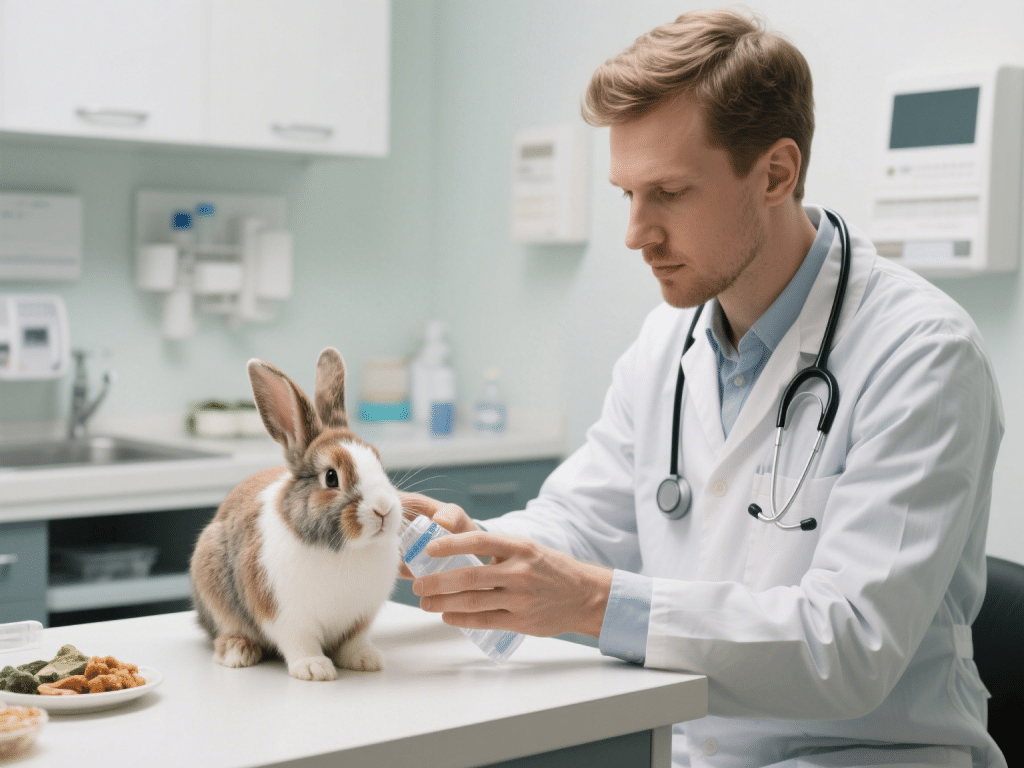
Urinary calculi—bladder stones—are a common issue in male rabbits, causing straining, ...
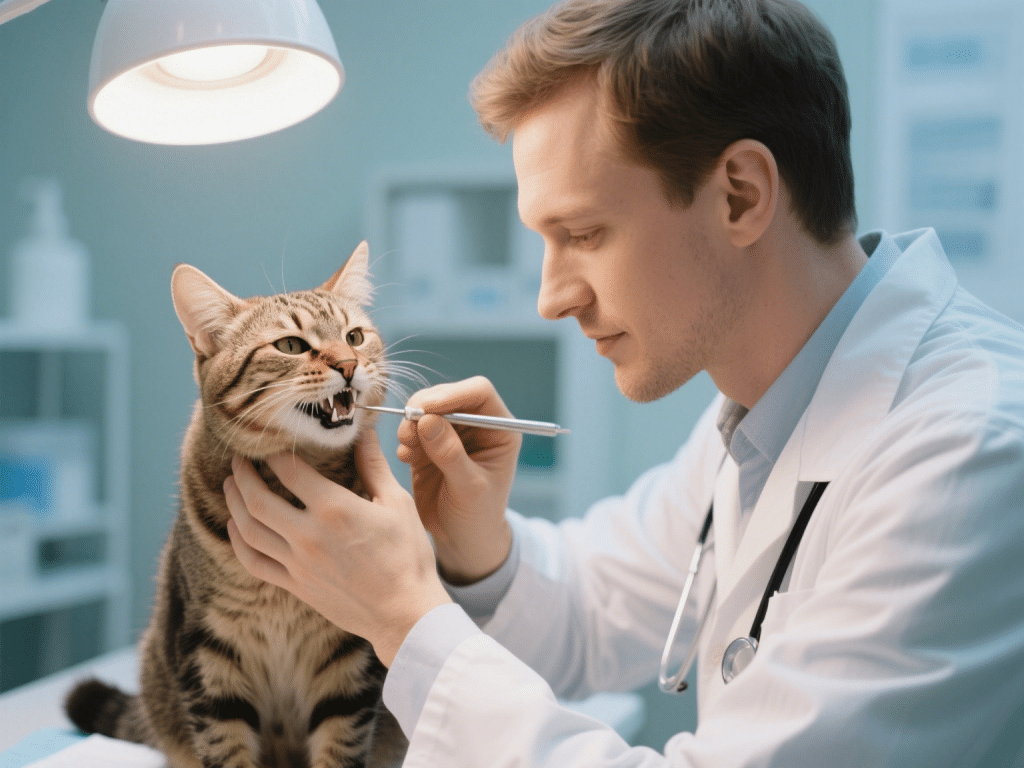
As cats age, their dental health becomes increasingly critical to overall well-being. Acco...

IntroductionWalking on a leash is a fundamental skill for any dog. Without proper training...

IntroductionMany dog owners notice their pets trailing them from room to room. While endea...

IntroductionCats sleep up to 16 hours a day, adopting various positions that reflect their...
Comments on "Eco-Friendly Cat Litter Options That Pets and Planet Love" :