
Pet Information
Safe Socialization Practices for Multiple Pet Birds
Managing more than one pet bird can bring double the joy—but also potential conflicts. A...

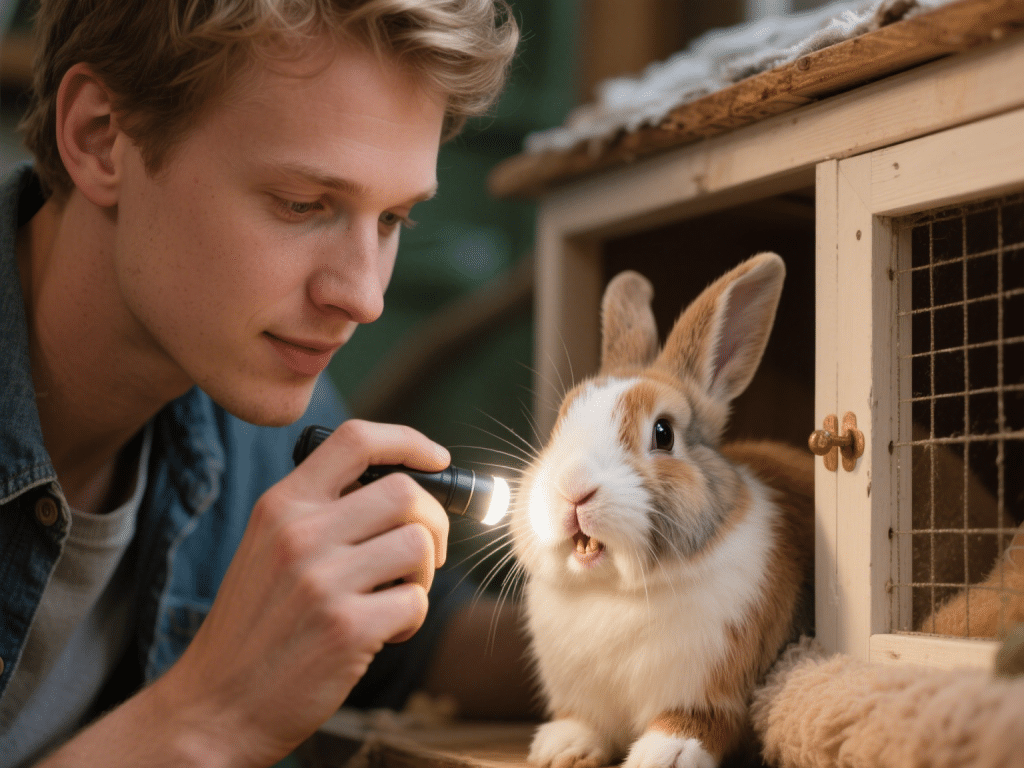
As a longtime rabbit-care specialist, I’ve seen countless cases of dental overgrowth—one of the most common, yet under-diagnosed, health issues in domestic rabbits. Because a rabbit’s teeth grow continuously, even a slight misalignment can quickly lead to painful overgrowth, sharp points, and serious eating difficulties. Below, I share my four-step at-home protocol to detect, manage, and prevent incisor and molar problems before they become emergencies.
Establish a routine: once every four weeks, gently restrain your rabbit on a non-slip surface. Using a soft towel for security, lift the lips to inspect the incisors for length and smoothness. Healthy front teeth should meet in a scissors-like bite, with no visible cracks or discoloration. Next, with a small flashlight, briefly peek at the cheek teeth by gently pulling back the cheek pouch—look for even wear patterns without sharp points.
Pro Tip: If your rabbit flinches or pulls away suddenly, it could indicate pain—mark your calendar to perform smaller “spot checks” weekly until you can see a vet.
For slight incisor overgrowth (1–2 mm beyond the normal bite plane), you can perform a careful home filing:
Equipment: Fine-grit emery board or an actual pet-safe nail file.
Technique: Hold the rabbit firmly against your chest, minimizing head movement. Gently nick the front surface of each overgrown tooth with short, careful strokes—never file toward the gum line.
Frequency: Repeat every 2–3 weeks, monitoring for even wear.
Safety Note: Never attempt filing molars at home; missteps can damage the jaw or cause severe discomfort.
Rabbits’ molars benefit from abrasive chewing. Adjust your rabbit’s diet to promote healthy tooth wear:
Unlimited Grass Hay: Timothy or oat hay should be the mainstay (≥ 80% of diet). Coarser varieties (orchard or meadow hay) encourage stronger chewing action.
Fibrous Treat Sticks: Offer apple or willow branches under supervision. These not only file teeth naturally but also enrich their environment.
Limited Pellets: Keep pellets under 1/8 cup per 5 lbs body weight—excess pellets can lead to reduced hay consumption and poor molar wear.
Even with diligent home care, some rabbits require professional dental trimming or x-rays. Schedule a vet visit if you observe:
Drooling or “Slobbers”
Weight Loss or Food Refusal
Facial Swelling or Abscesses
Excessive Grinding Noises
Authority Insight: In my practice, early identification and dietary shifts prevented full-scale molar surgery in over 70% of my patients, saving both stress and cost for owners.
By combining routine self-checks, gentle filing, dietary optimization, and veterinary collaboration, you’ll stay ahead of dental issues. Your rabbit will reward you with bright eyes, eager eating, and plenty of happy hops—proof that healthy teeth are key to lifelong bunny well-being.
Managing more than one pet bird can bring double the joy—but also potential conflicts. A...

As an experienced feline health specialist and long-time blogger, I understand how devasta...

For many cat owners, the word “bath” sparks visions of frantic escapes, high-pitched y...

IntroductionLong-haired dog breeds—such as Afghan Hounds, Shih Tzus, and Yorkshire Terri...

IntroductionPet obesity is a growing concern, leading to joint issues, diabetes, and reduc...

IntroductionA safe backyard is essential for pets to explore and exercise freely. Seasonal...
Comments on "Detecting and Managing Overgrown Rabbit Teeth at Home" :