
Pet Information
Why Cats Knead: The Instinctual Roots and How to Respond
When your cat gently presses paws into your lap or their blanket—alternating left and ri...


As a veterinary nutritionist specializing in feline diets, I’ve guided many cat guardians through the sometimes-daunting shift to a raw food regimen. While raw feeding offers benefits—improved coat quality, lean muscle maintenance, and dental health—it must be done correctly to ensure safety and nutritional balance. Below is my five-week transition protocol for adult cats.
Start Ratio: Mix 25% raw food (prey-model or commercial raw blend) with 75% current canned or kibble diet.
Observation: Monitor stool consistency and appetite. Introduce probiotics if mild digestive upset occurs.
Midpoint Ratio: Shift to 50% raw and 50% current diet.
Supplementation: Begin adding taurine powder (250 mg per cup of raw mix) and a feline-specific vitamin-mineral blend to meet AAFCO standards.
Final Ratio: 80–100% raw food with essential supplements.
Monitoring: Weekly weigh-ins and body condition scoring. Adjust portion sizes to maintain ideal weight (4.5–5.5 on 9-point scale).
Source Quality Proteins: Choose USDA-inspected meats or reputable commercial brands.
Sanitation: Prepare raw meals on sanitized surfaces; freeze portions in labeled freezer-safe containers.
Cross-Contamination: Use separate utensils for raw food and human foods; wash hands thoroughly.
Bone Content: 8–10% finely ground bone for calcium.
Organ Meats: 5% liver and 5% other organ meats for vitamins and minerals.
Muscle Meat: The remainder to provide protein.
Fat Balance: Adjust added oils to mimic natural prey fat levels, typically 5–7%.
Consistency: Feed at the same times daily to regulate digestion.
Veterinary Check-Ins: Blood work at 3 months to ensure no deficiencies.
Rotate Proteins: Alternate chicken, turkey, rabbit, and fish to diversify amino acid profiles.
Transitioning to raw can be transformative for many cats, but it demands diligence and expert guidance. Follow this protocol, maintain communication with your veterinarian, and watch your feline friend thrive on a diet closer to their ancestral needs.
When your cat gently presses paws into your lap or their blanket—alternating left and ri...
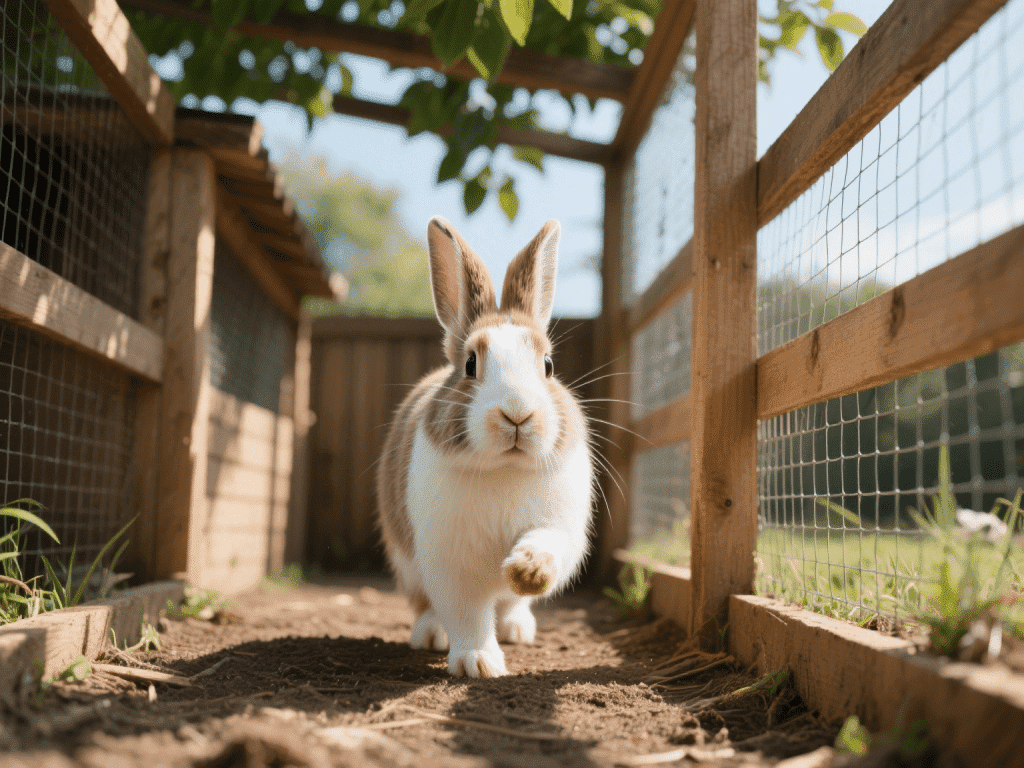
As a seasoned rabbit behaviorist and long‑time DIY enthusiast, I’ve guided countless b...
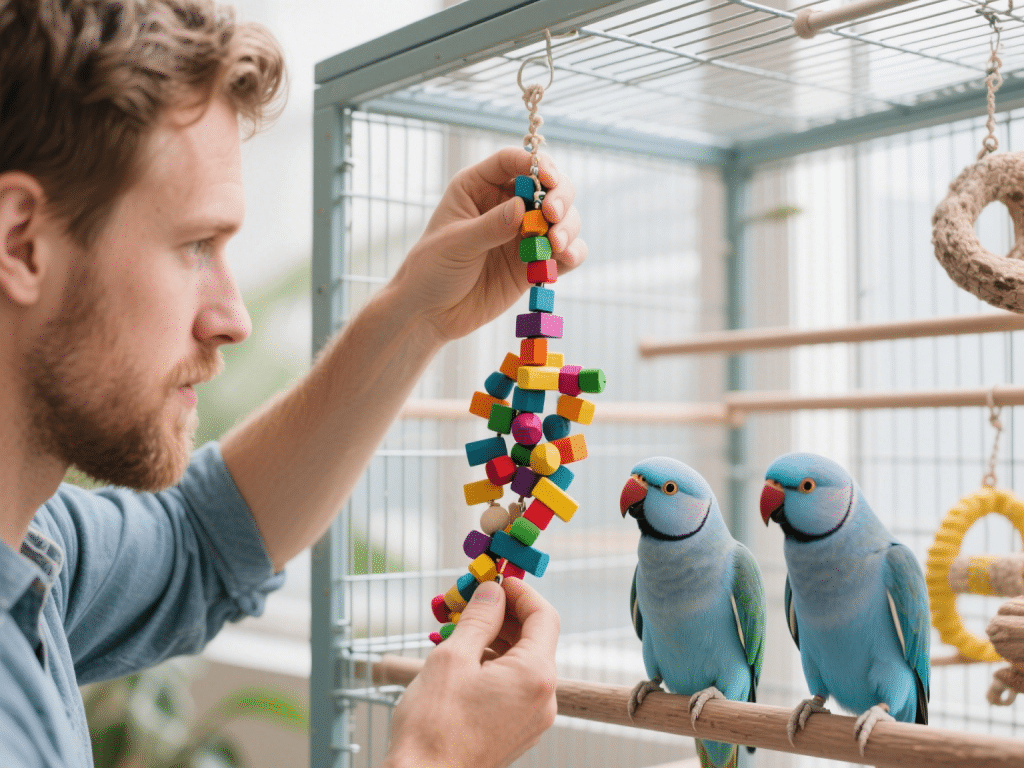
Budgerigars are incredibly smart, social little parrots whose natural behaviors include fo...

Just as humans can suffer from poor indoor air, our furry family members—especially bird...

It seems innocuous: your dog eyes the cat’s bowl and you wonder, “What harm could cat ...

Even the most vigilant pet owners face bumps, scrapes, and sudden illnesses. Having a basi...
Comments on "How to Transition Your Cat to a Raw Food Diet Safely" :